CAT

Caterpillar Tractors

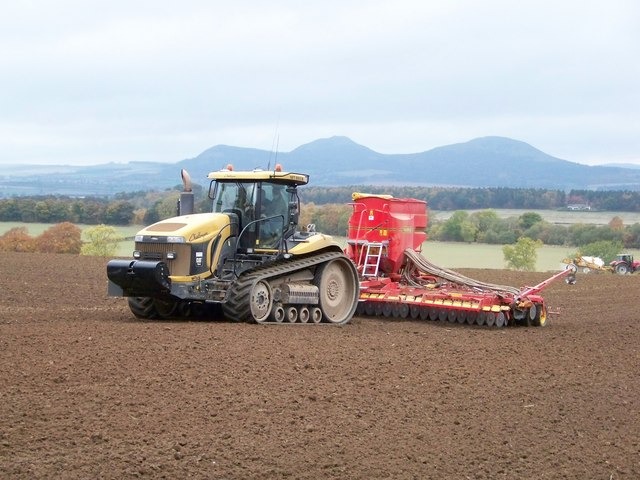
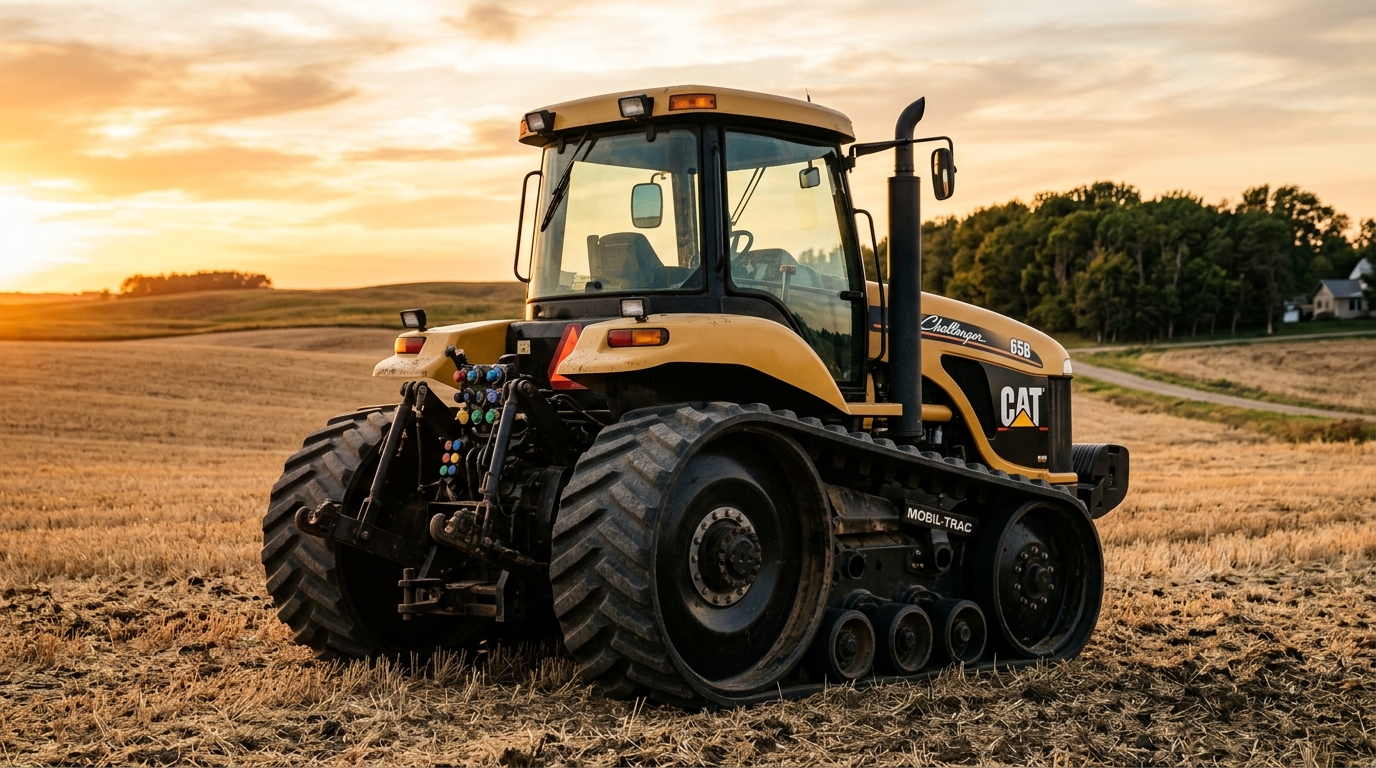
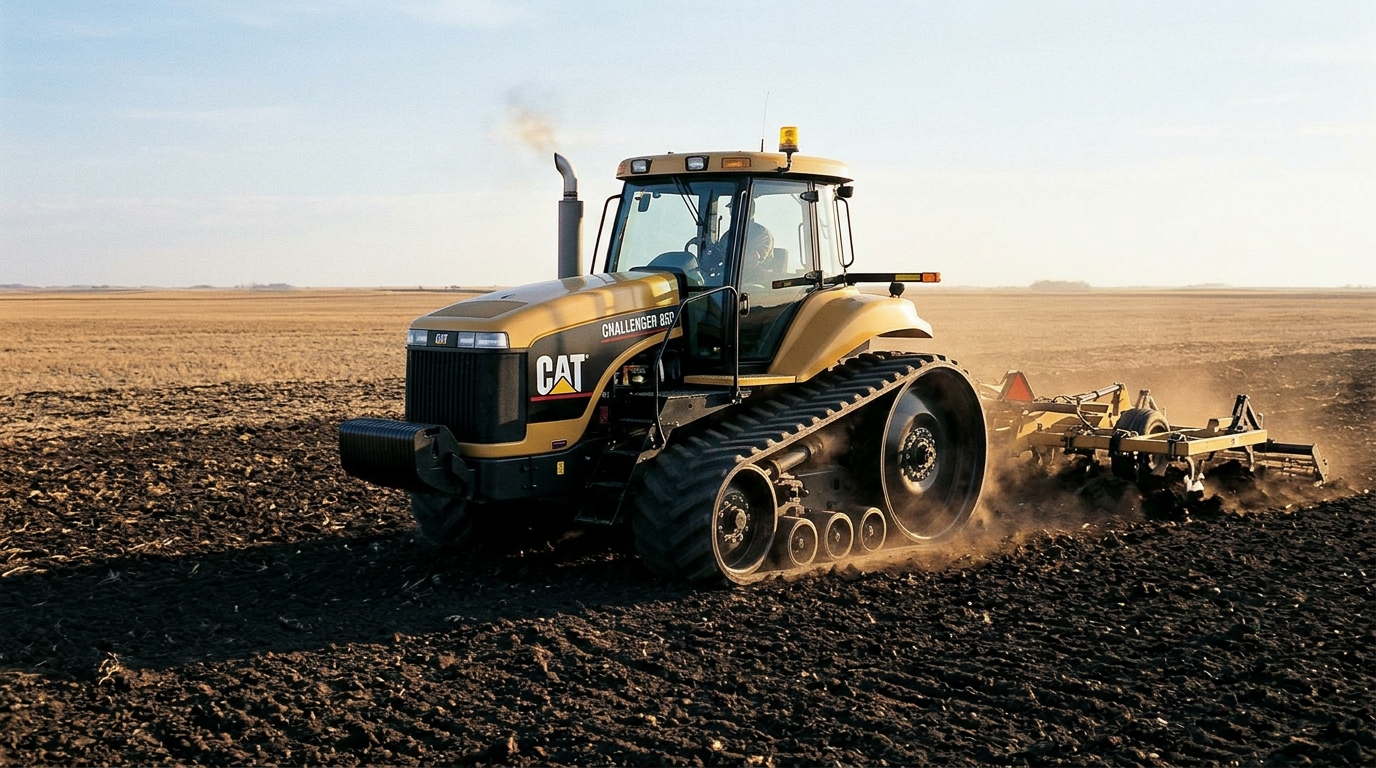
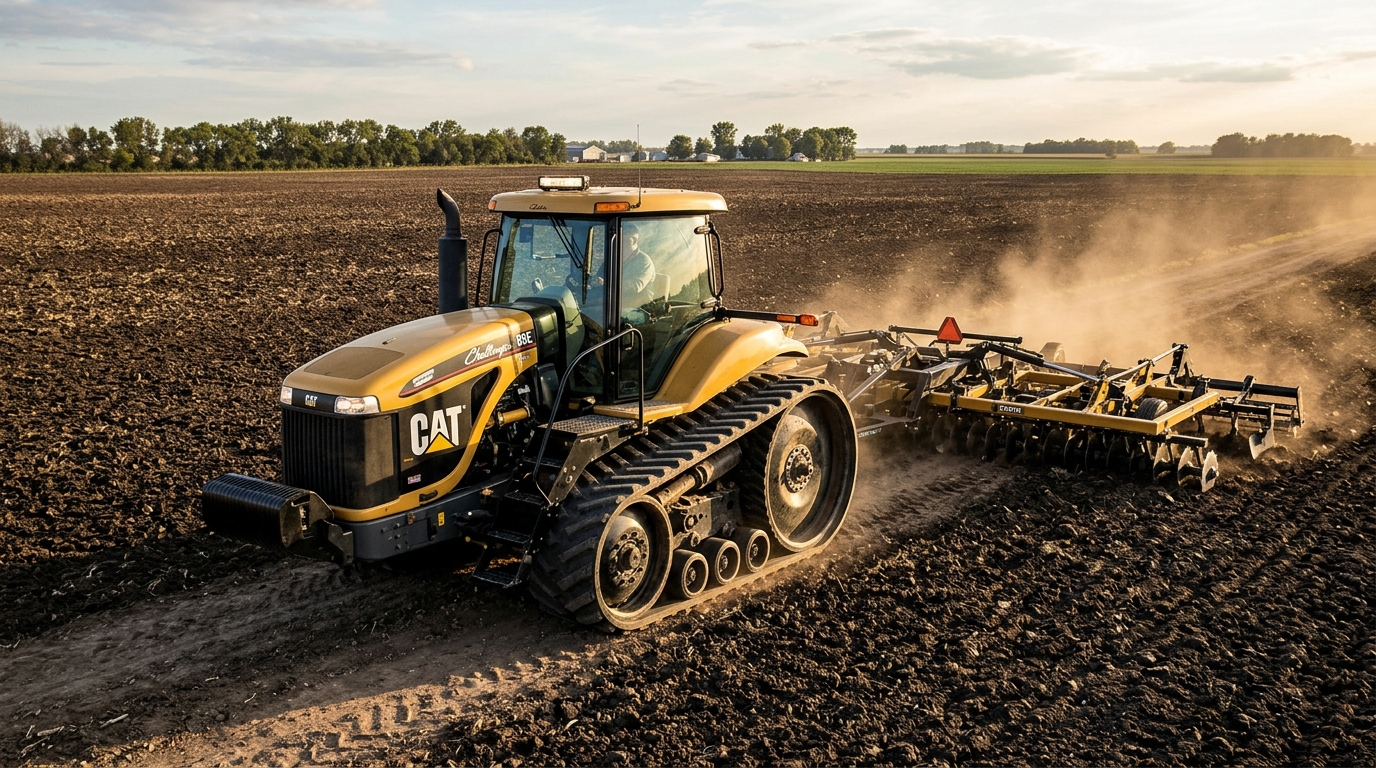
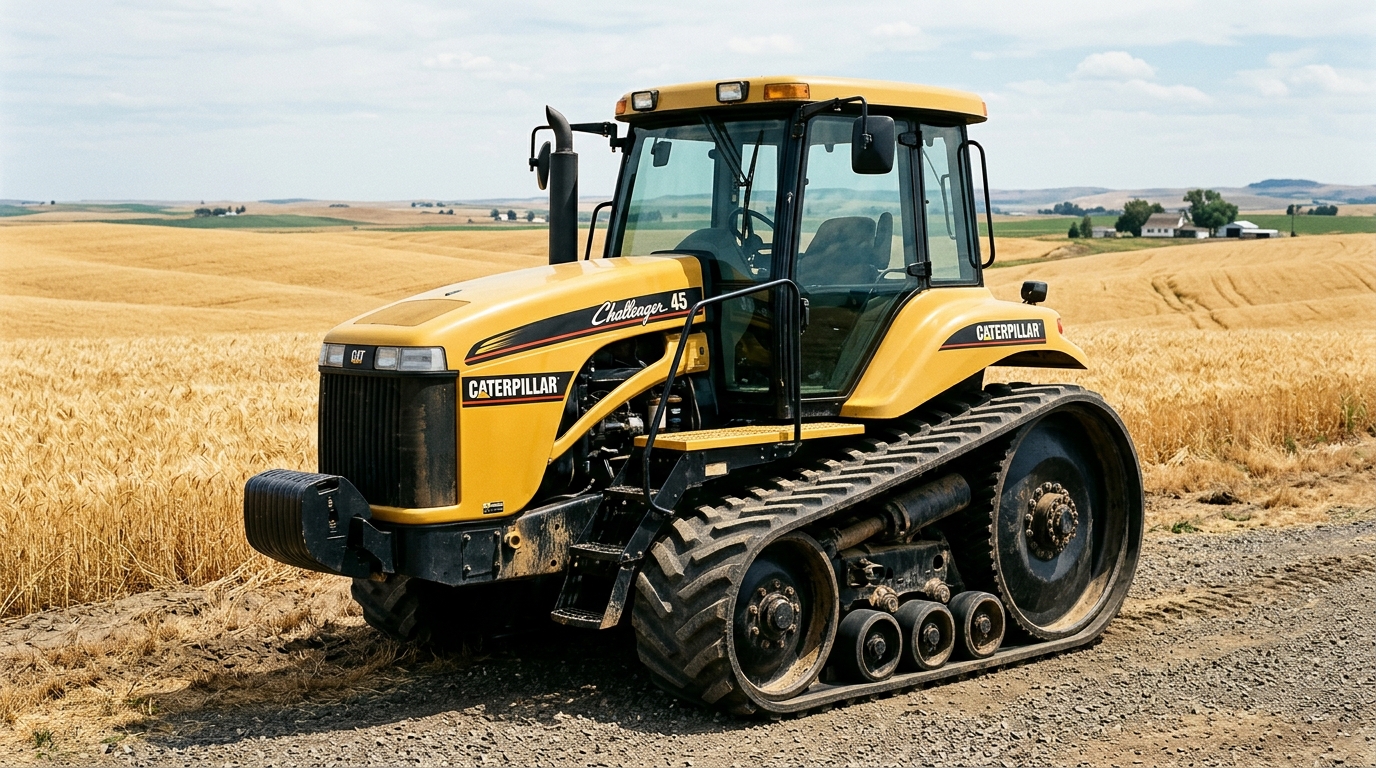
Caterpillar revolutionized global agricultural mechanization with high-flotation Mobil-Trac rubber-tracked Challenger tractors, delivering superior drawbar efficiency and minimal soil compaction.

Origin: USA Active: 1925 - Present Caterpillar Inc. / AGCO
history_edu

Caterpillar Heritage & Engineering Legacy

Historical milestones, founding origins, and technological breakthroughs.

Est. 1925 📍 Deerfield / Irving, Texas, USA Parent: Successor in Ag: AGCO Challenger

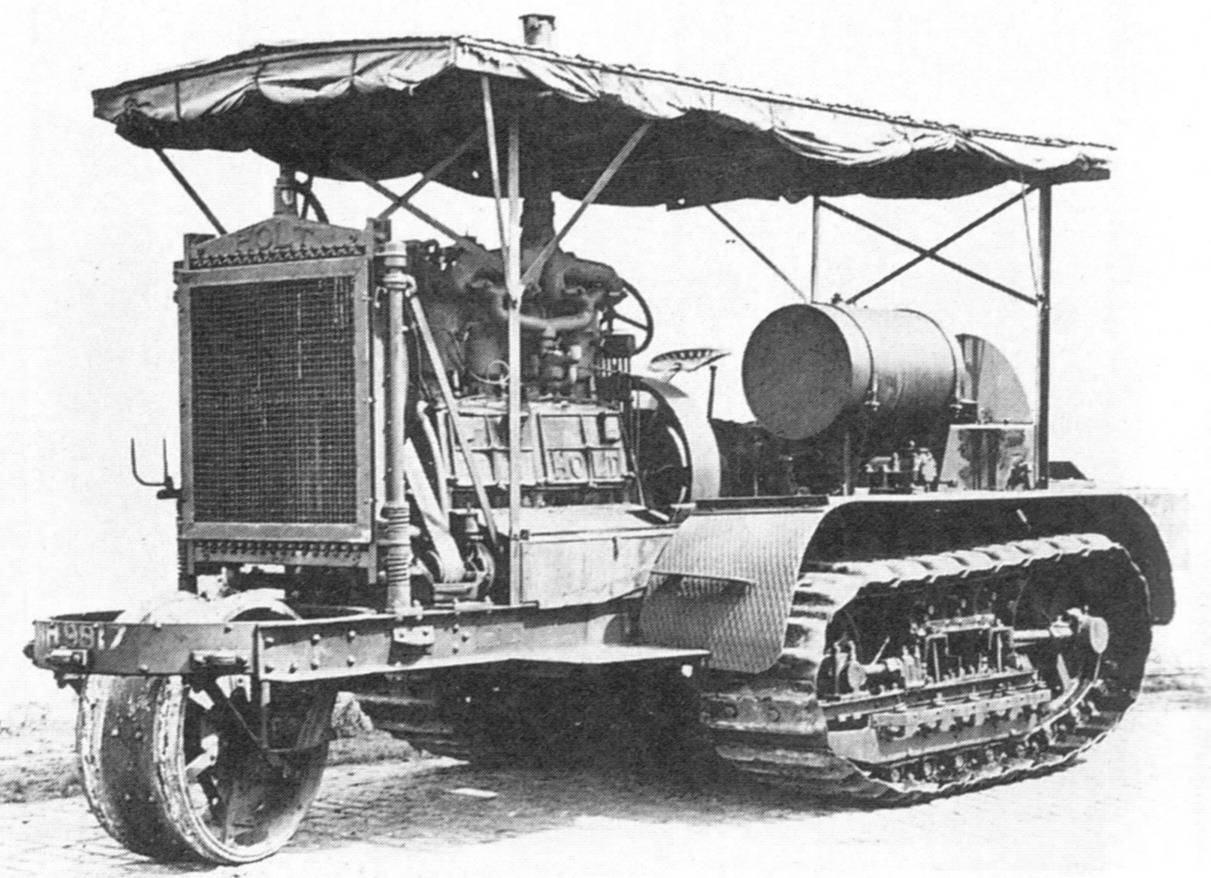
Caterpillar was forged in 1925 through the merger of the Holt Manufacturing Company and the C.L. Best Tractor Company. Benjamin Holt had invented the practical continuous track-type crawler tractor in 1904 in Stockton, California, solving the problem of heavy steam tractors sinking into soft peat soil. For decades, Caterpillar steel-track crawlers (such as the D4, D6, and legendary D8) were the choice of heavy tillage wheat farmers on the Pacific Northwest Palouse and California valleys.

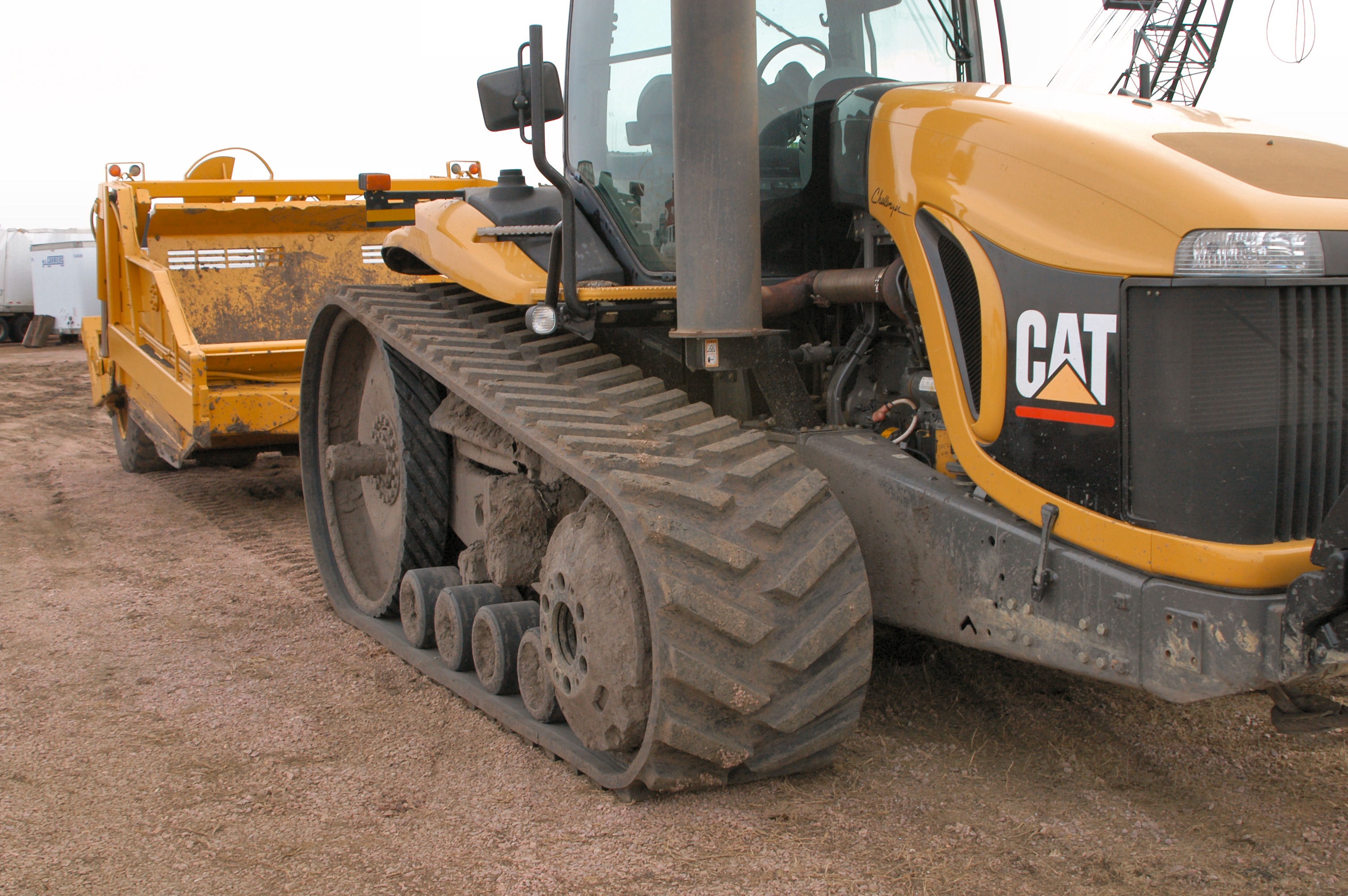
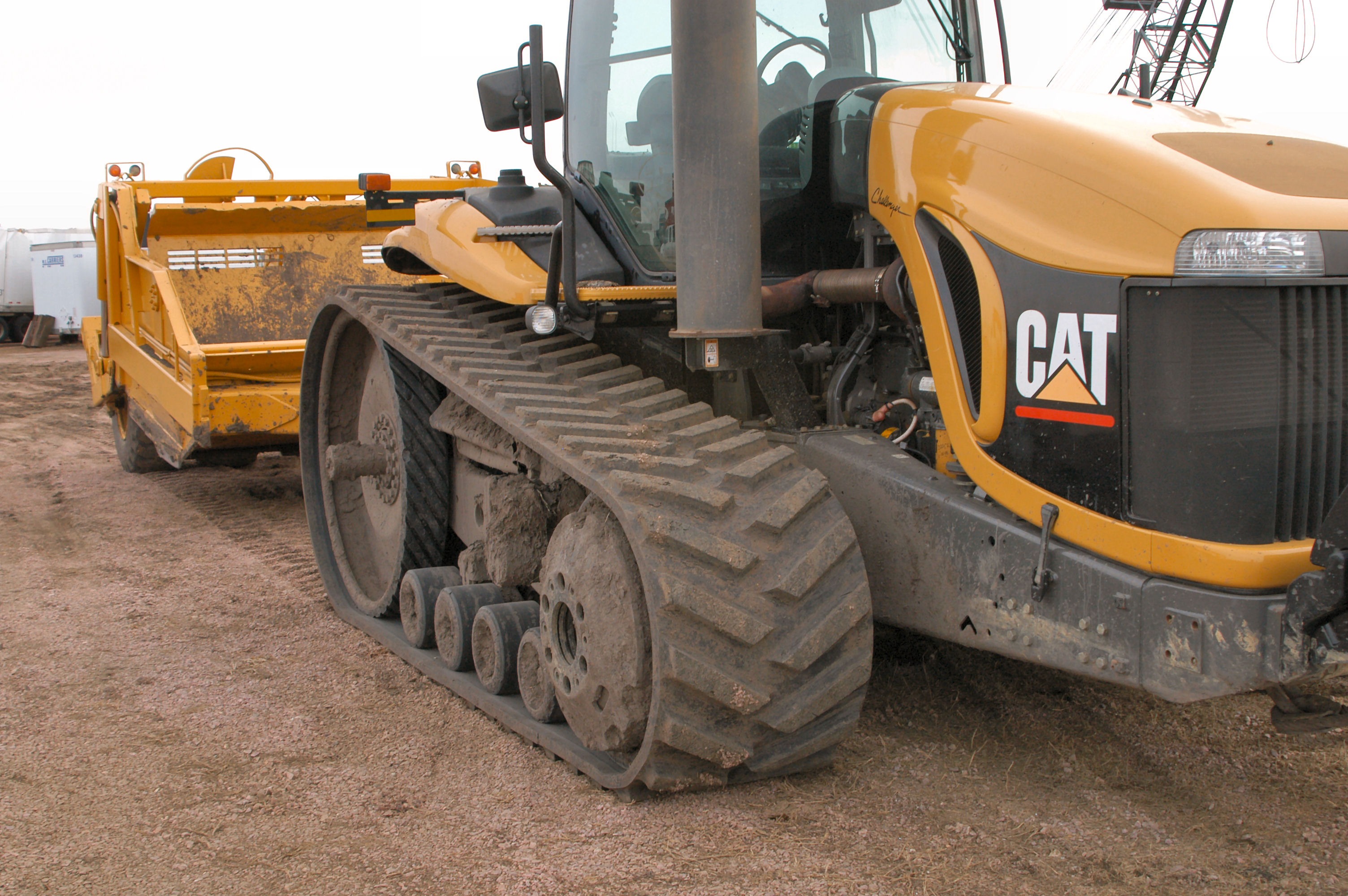
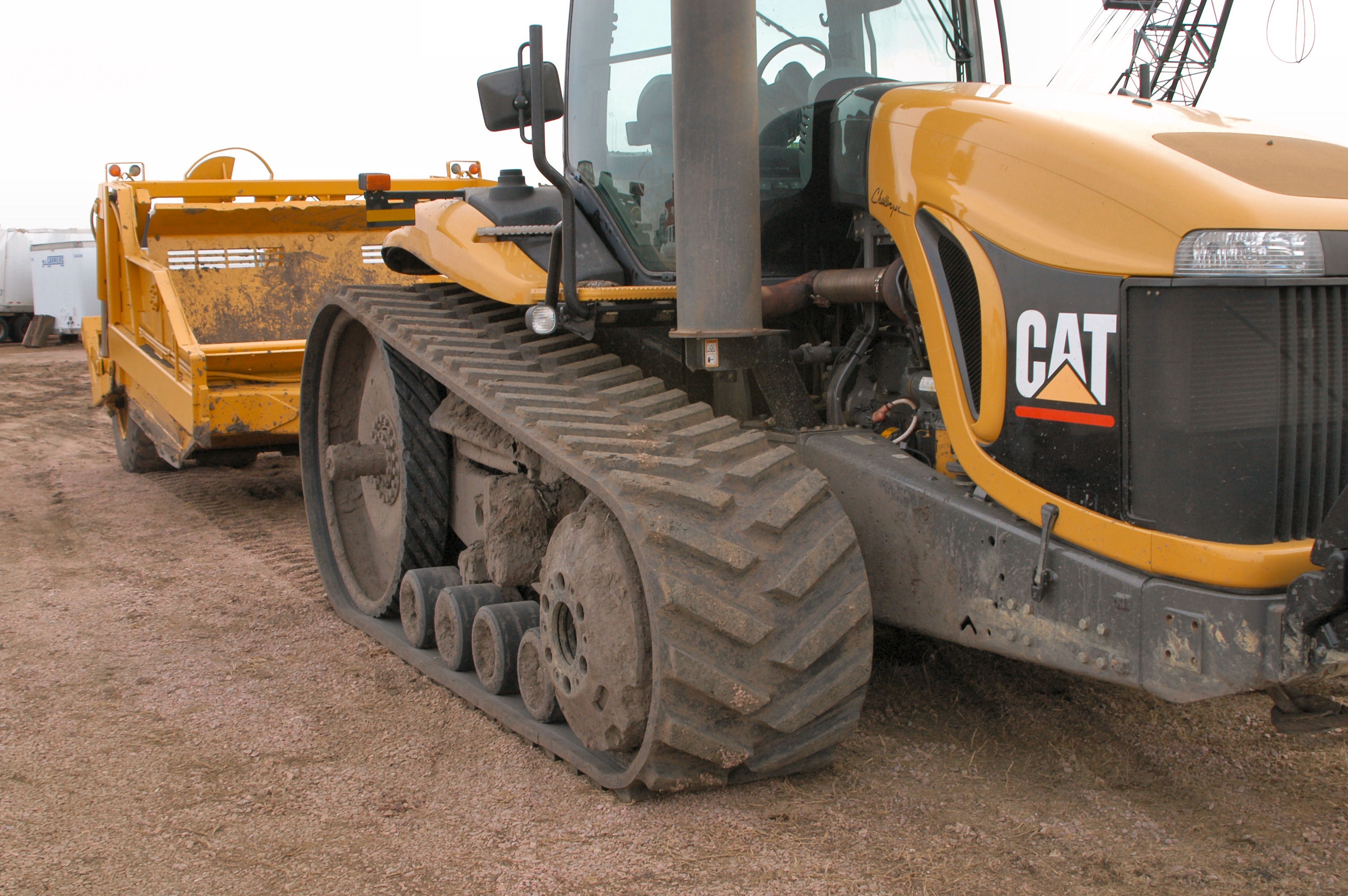
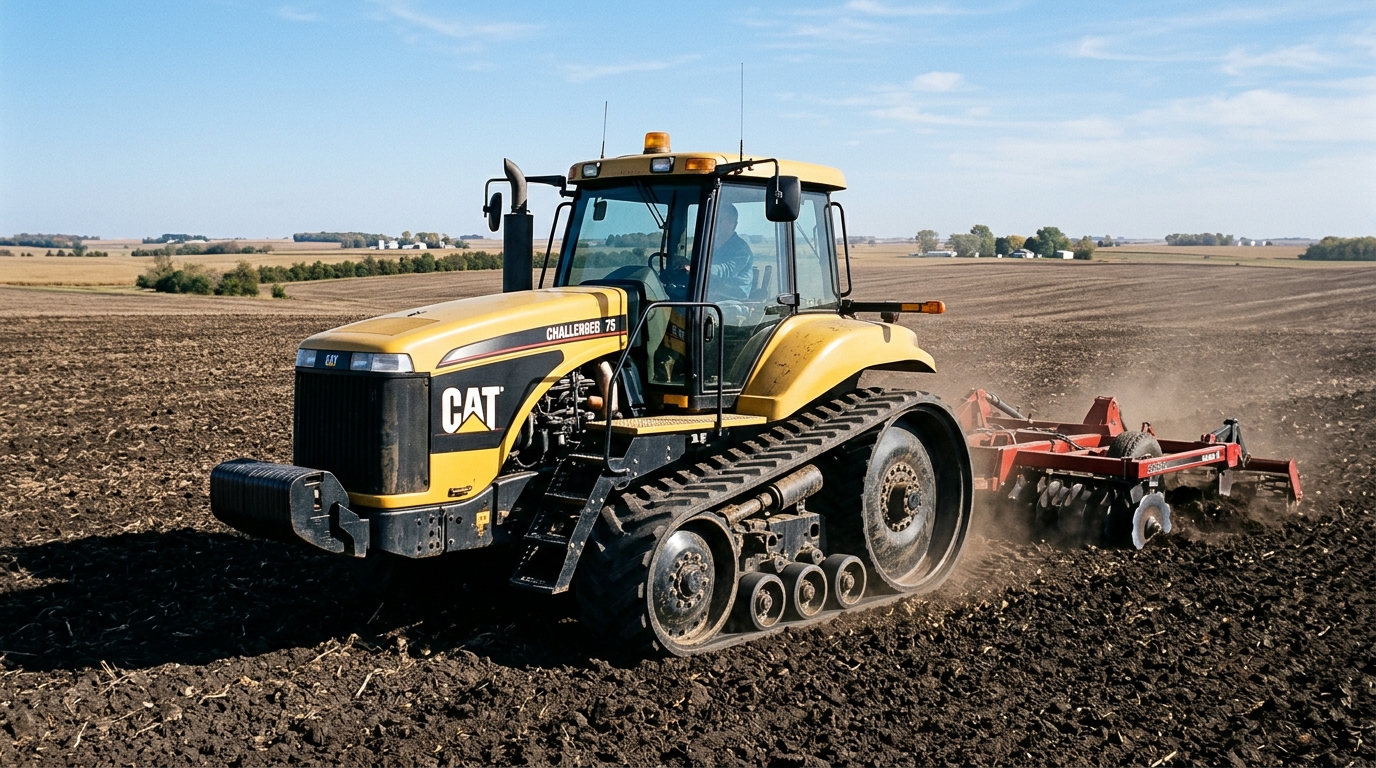
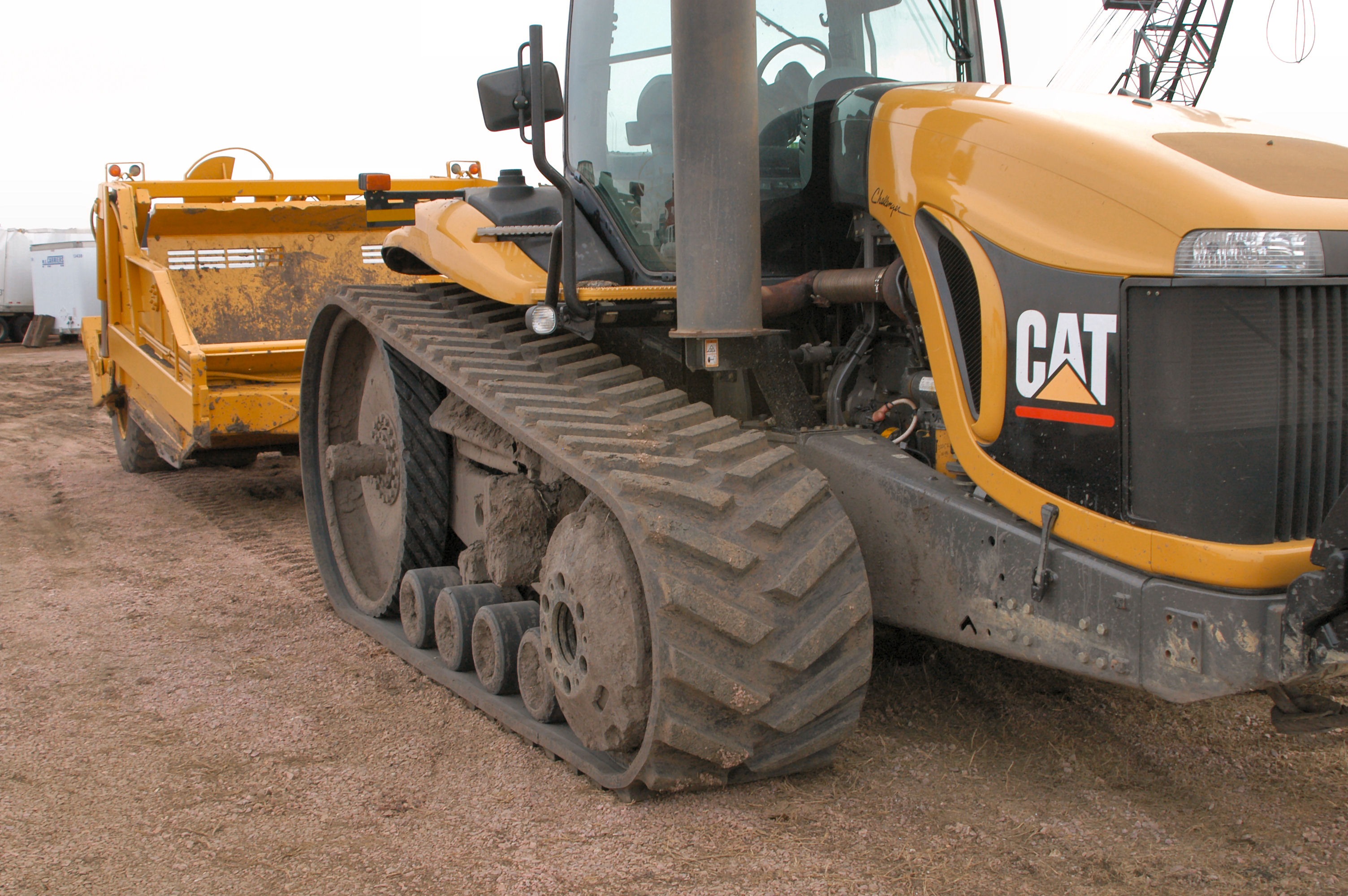
In 1987, Caterpillar fundamentally revolutionized global agriculture by unveiling the Challenger 65. The Challenger was the world's first agricultural tractor equipped with the "Mobil-trac System"—continuous heavy-duty rubber tracks driven by friction. Rubber tracks allowed the tractor to travel at 30 km/h on paved roads without chewing up asphalt while providing massive ground contact that virtually eliminated compaction. In 2002, Caterpillar sold its agricultural tractor line to AGCO Corporation, which continues the tracked legacy under the Challenger brand.

psychology Engineering Breakthroughs & Patents

Mobil-trac Rubber Track System Traction

Internal steel-cabled continuous rubber belts driven by friction wheels, combining crawler pull with road travel.

Differential Steering Drivetrain Steering

Provides smooth continuous power to both tracks during turns without pausing or tearing up headland soil.

Cat 3116 / 3126 / 3176 Heavy Diesels Engine

Unit-injector high-displacement turbo diesels engineered for 15,000-hour industrial durability.

Adjustable Track Gauge System Row-Crop

Hydraulically adjusted track spacing from 60 to 120 inches to straddle diverse vegetable and grain rows.

timeline Historical Timeline & Milestones

1904
Holt Continuous Track

Benjamin Holt invents steam crawler tractor on wooden track pads in California.

1925
Caterpillar Formed

Holt and Best merge to establish the Caterpillar Tractor Company in Peoria, Illinois.

1931
First Diesel Crawler (Diesel Sixty)

Introduces industrial diesel engine to tracked agricultural and construction tractors.

1987
Challenger 65 Mobil-trac

Unveils revolutionary rubber-tracked farm tractor capable of road speeds without asphalt damage.

1995
Challenger Row-Crop (35/45/55)

Introduces adjustable-track-width rubber crawler for precision row-crop cultivation.

2002
AGCO Agricultural Transfer

Caterpillar divests agricultural tractor line to AGCO, preserving Mobil-trac on Challenger.

Caterpillar Series

13 Models

1986 Series

2 Models
quiz

Frequently Asked Questions About Caterpillar Tractors

1. What are the most popular and iconic Caterpillar tractor models?

Notable models in our Caterpillar catalog include the Challenger 95E, representing key milestones in Caterpillar's agricultural engineering history.

2. How many Caterpillar tractor models are cataloged in this database?

All About Tractors currently tracks 15 verified specification sheets and laboratory test reports for Caterpillar tractors.

3. Where can I find official OECD and Nebraska test reports for Caterpillar tractors?

Official test reports from the Nebraska Tractor Test Laboratory and the DLG Test Center are linked directly on each individual Caterpillar tractor profile.

4. What horsepower range do Caterpillar tractors cover?

Caterpillar tractors in our database range from compact utility models up to high-horsepower row-crop machines delivering up to 410 hp.

5. What engines and displacements are typically used in Caterpillar tractors?

Caterpillar equips its tractor lineups with certified diesel engines engineered for high torque rise, fuel economy, and compliance with emissions standards.

6. What transmission options (PowerShift, CVT, Synchro) does Caterpillar offer?

Depending on the series and manufacturing year, Caterpillar models feature synchronized mechanical gearboxes, multi-speed PowerShift units, or continuous variable transmissions (CVT).

7. How do I decode the serial number plate on my Caterpillar tractor?

The serial number plate is typically stamped on the transmission housing, front frame casting, or right-hand engine block. Match the sequential number against our Caterpillar yearly serial number records.

8. What 3-point hitch categories are standard on Caterpillar utility tractors?

Caterpillar utility models feature Category 1, 2, or 3 three-point linkages with position control and draft sensing for heavy agricultural implements.

9. What is the certified fuel economy of Caterpillar diesel engines?

Certified OECD dynamometer testing measures Caterpillar fuel consumption under varying engine loads, providing exact gallons/hour and g/kWh consumption metrics.

10. Where can I source replacement parts and service manuals for Caterpillar tractors?

Each Caterpillar specification page links to verified OEM parts lookups, aftermarket suppliers, and operator/workshop repair manuals.

11. What should I inspect when buying a pre-owned Caterpillar tractor?

Check engine cold-starting compression, hydraulic remote pressure, 3-point rockshaft seals, transmission shift smoothness under load, and front axle kingpin play.

12. Can I compare Caterpillar tractors against competitor models?

Yes! Use our side-by-side comparison portal to compare any Caterpillar model directly against tractors from John Deere, Case IH, Fendt, New Holland, or Kubota.