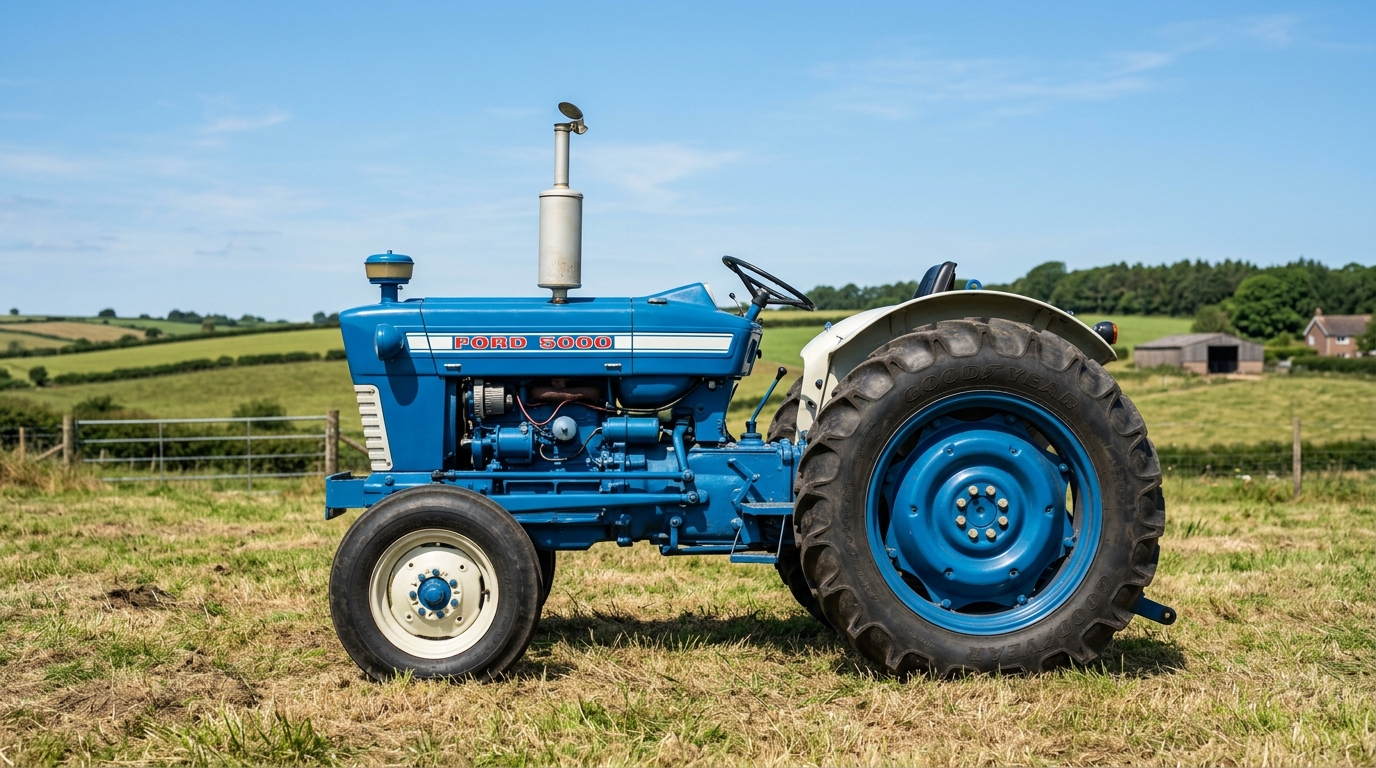
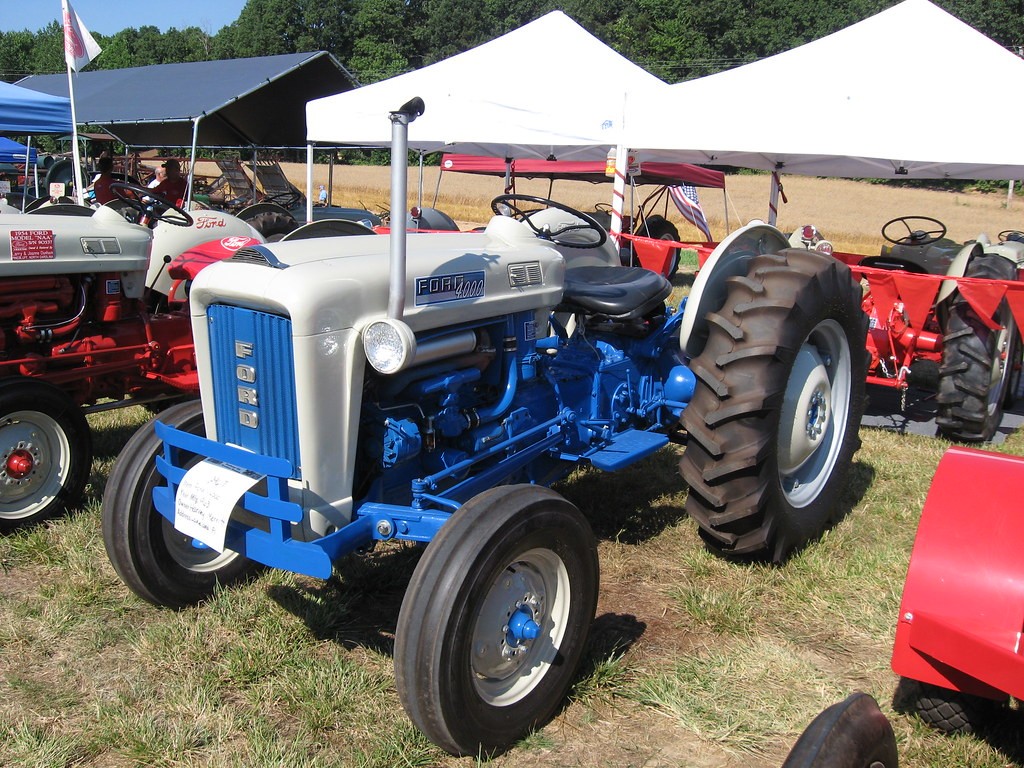
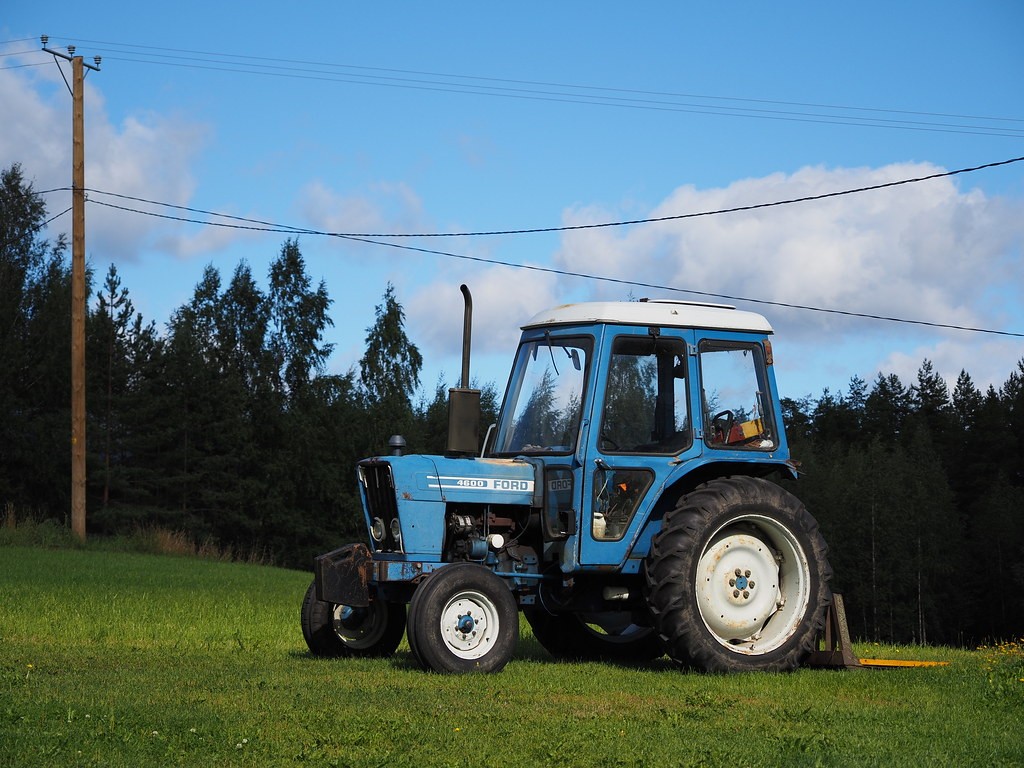
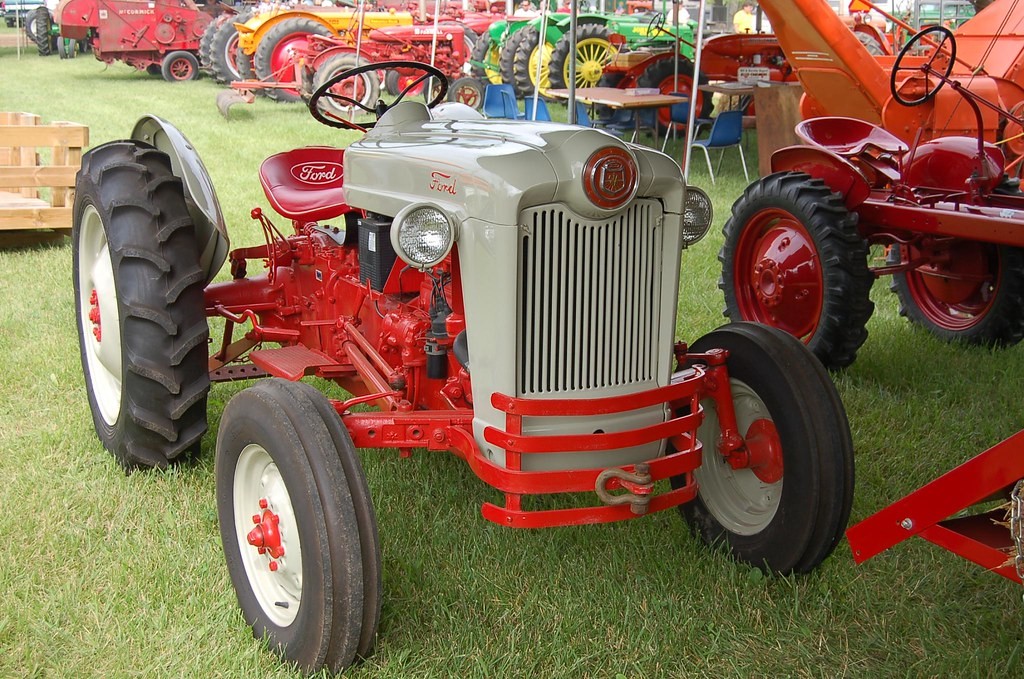
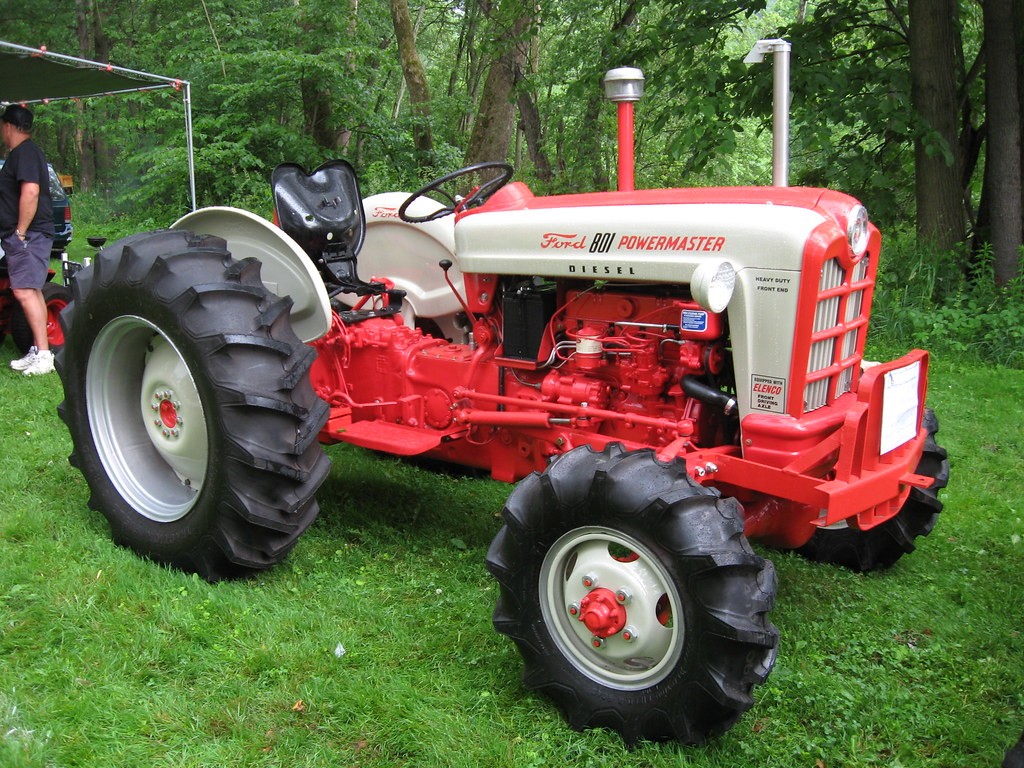
1. What are the most popular and iconic Ford tractor models?
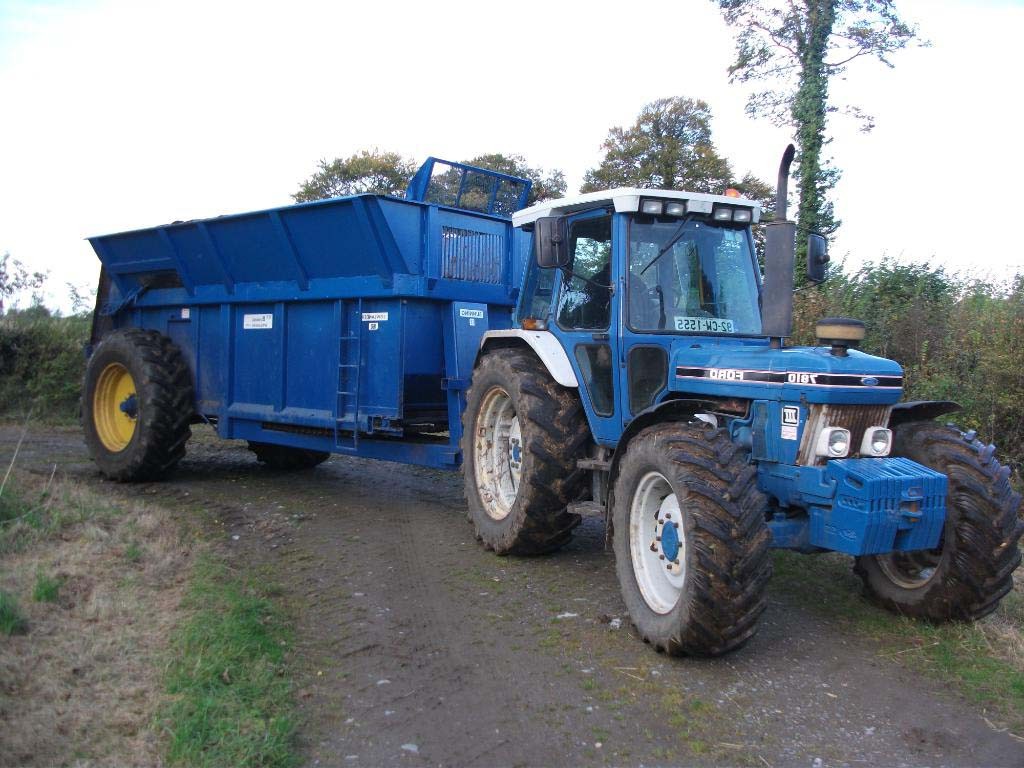
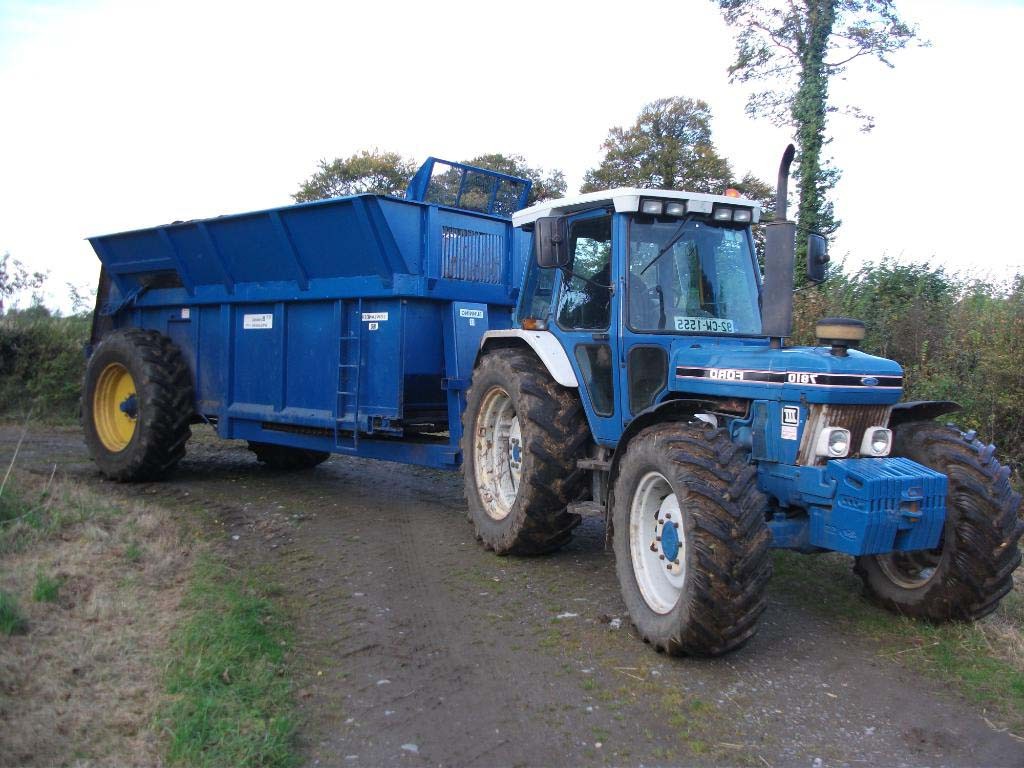
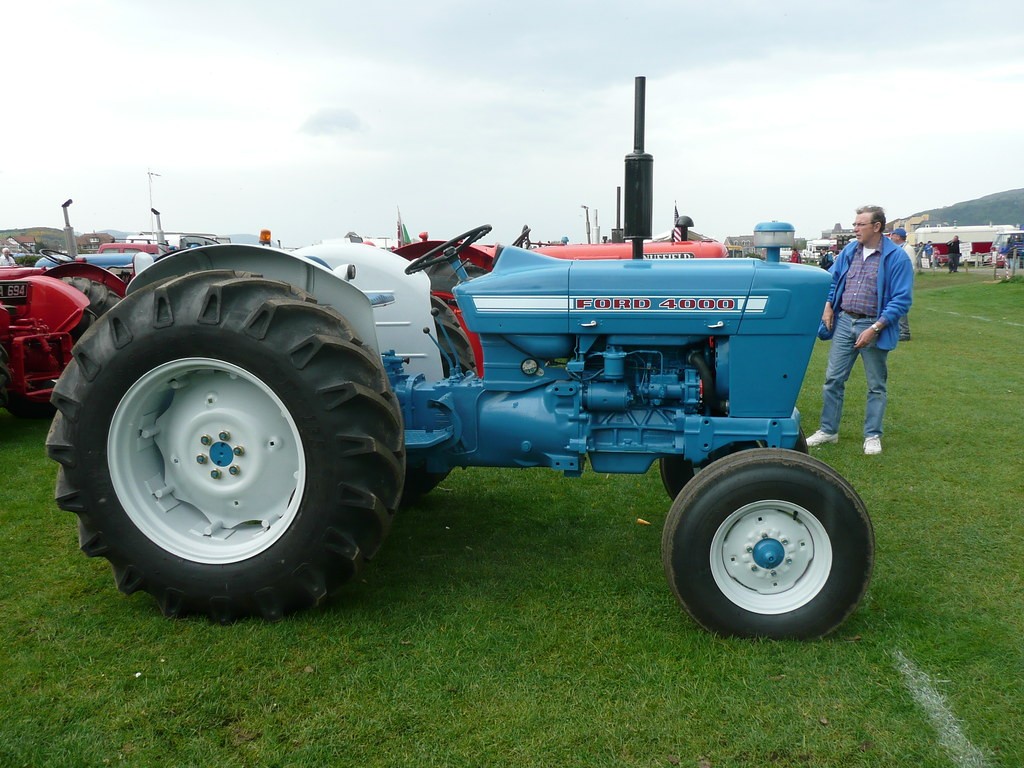
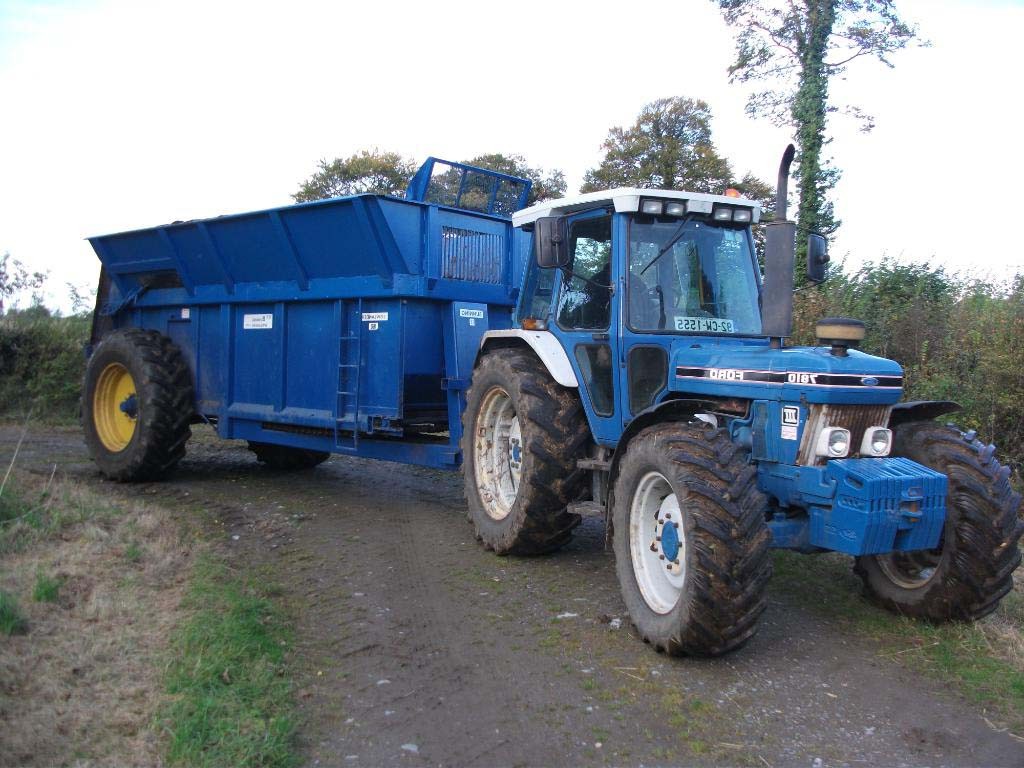
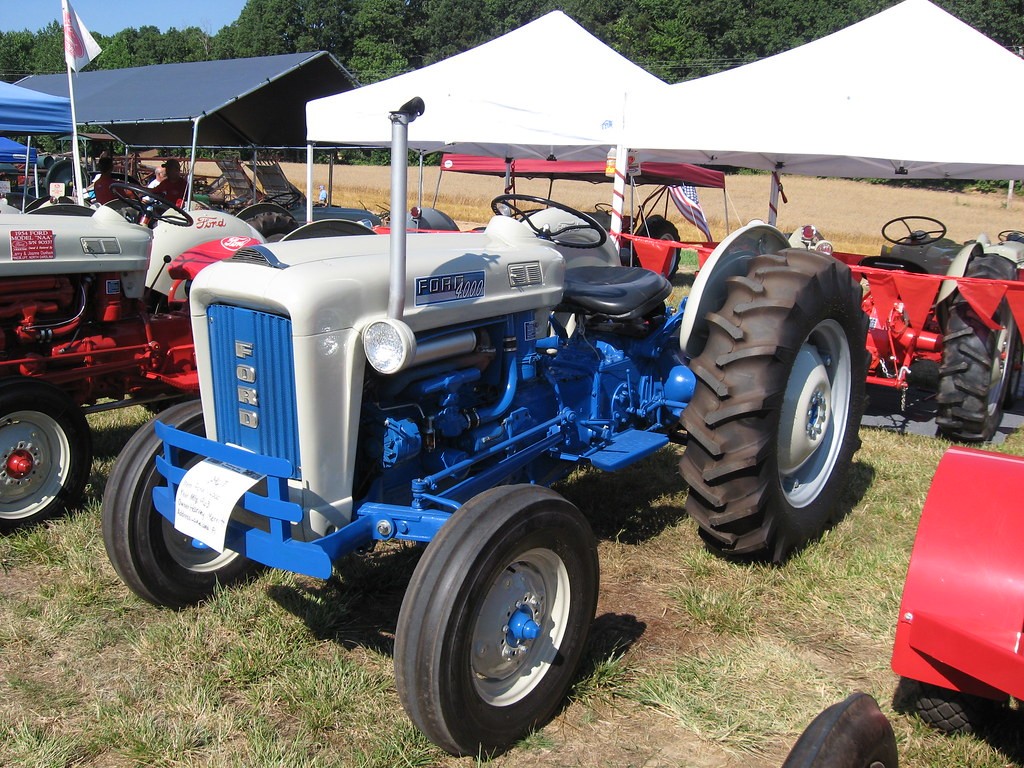
Notable models in our Ford catalog include the 8870 Genesis, representing key milestones in Ford's agricultural engineering history.
2. How many Ford tractor models are cataloged in this database?
All About Tractors currently tracks 125 verified specification sheets and laboratory test reports for Ford tractors.
3. Where can I find official OECD and Nebraska test reports for Ford tractors?
Official test reports from the Nebraska Tractor Test Laboratory and the DLG Test Center are linked directly on each individual Ford tractor profile.
4. What horsepower range do Ford tractors cover?
Ford tractors in our database range from compact utility models up to high-horsepower row-crop machines delivering up to 240 hp.
5. What engines and displacements are typically used in Ford tractors?
Ford equips its tractor lineups with certified diesel engines engineered for high torque rise, fuel economy, and compliance with emissions standards.
6. What transmission options (PowerShift, CVT, Synchro) does Ford offer?
Depending on the series and manufacturing year, Ford models feature synchronized mechanical gearboxes, multi-speed PowerShift units, or continuous variable transmissions (CVT).
7. How do I decode the serial number plate on my Ford tractor?
The serial number plate is typically stamped on the transmission housing, front frame casting, or right-hand engine block. Match the sequential number against our Ford yearly serial number records.
8. What 3-point hitch categories are standard on Ford utility tractors?
Ford utility models feature Category 1, 2, or 3 three-point linkages with position control and draft sensing for heavy agricultural implements.
9. What is the certified fuel economy of Ford diesel engines?
Certified OECD dynamometer testing measures Ford fuel consumption under varying engine loads, providing exact gallons/hour and g/kWh consumption metrics.
10. Where can I source replacement parts and service manuals for Ford tractors?
Each Ford specification page links to verified OEM parts lookups, aftermarket suppliers, and operator/workshop repair manuals.
11. What should I inspect when buying a pre-owned Ford tractor?
Check engine cold-starting compression, hydraulic remote pressure, 3-point rockshaft seals, transmission shift smoothness under load, and front axle kingpin play.
12. Can I compare Ford tractors against competitor models?
Yes! Use our side-by-side comparison portal to compare any Ford model directly against tractors from John Deere, Case IH, Fendt, New Holland, or Kubota.