IH
International Harvester
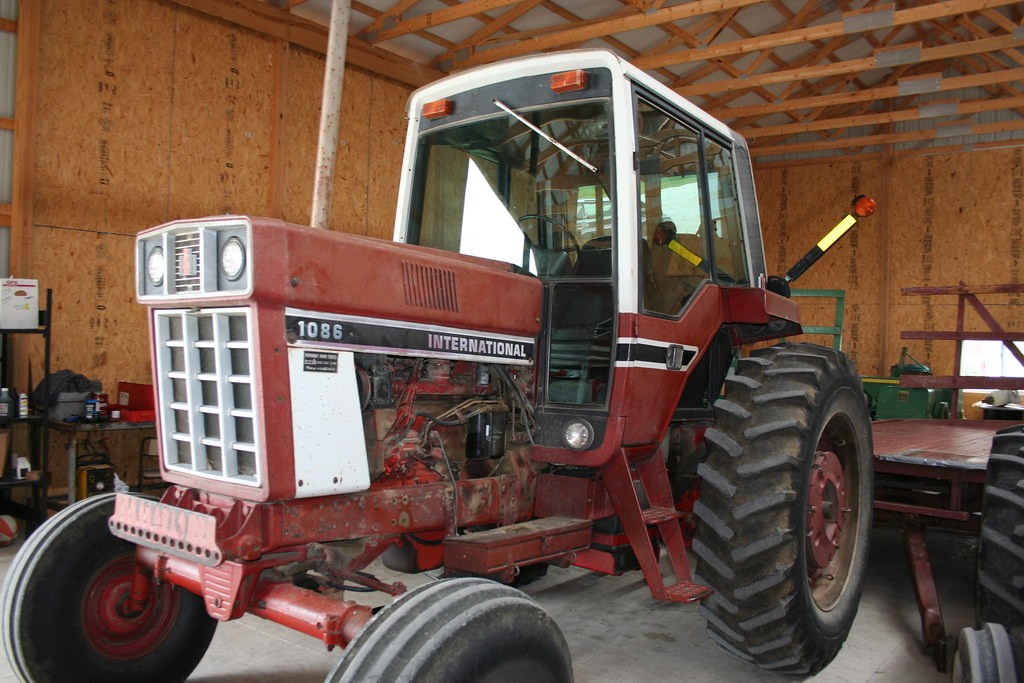
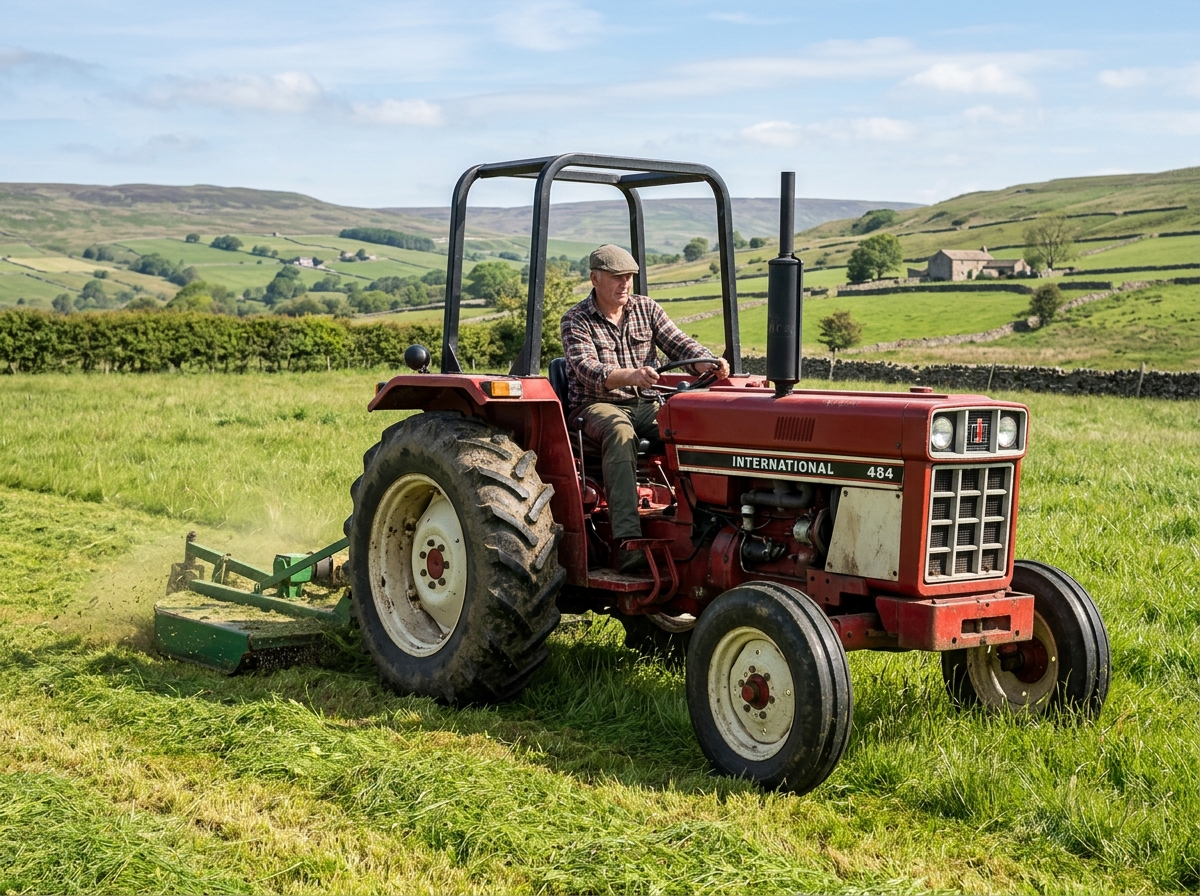
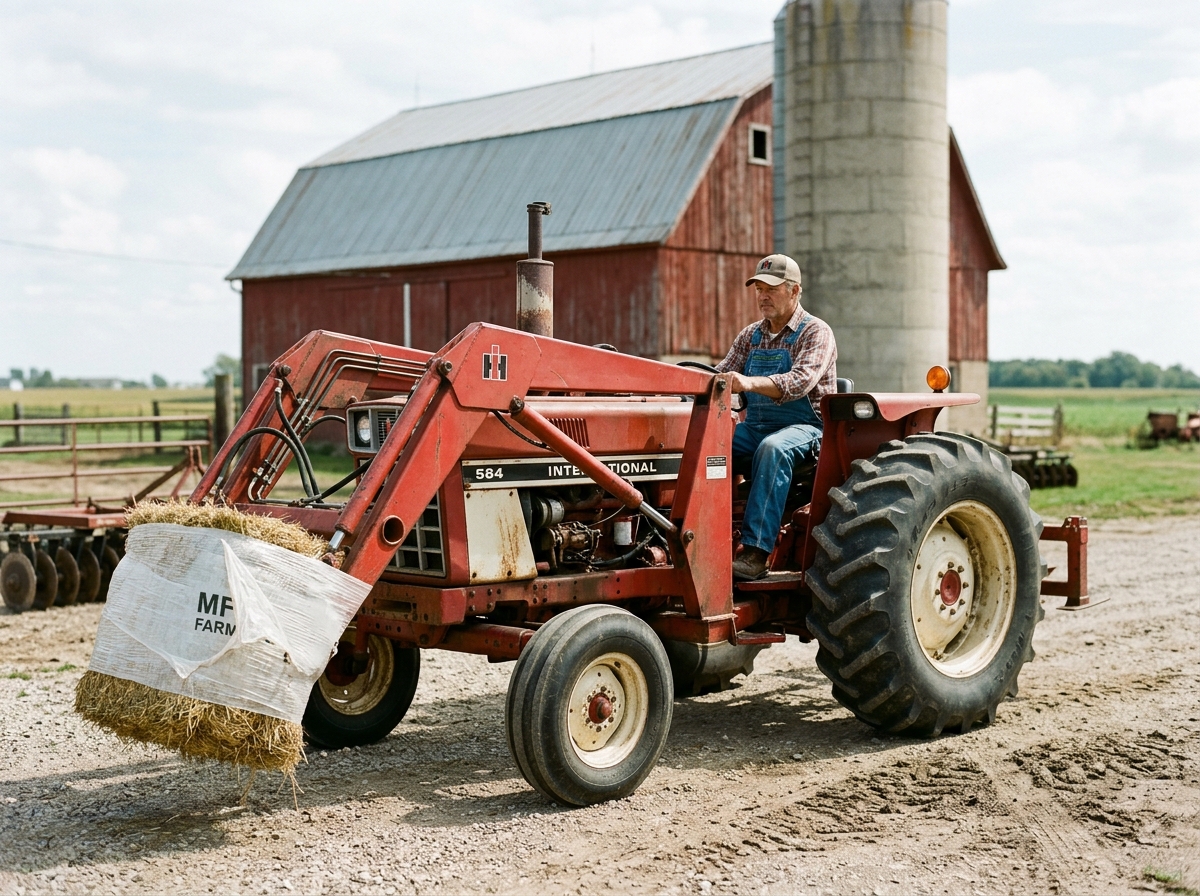
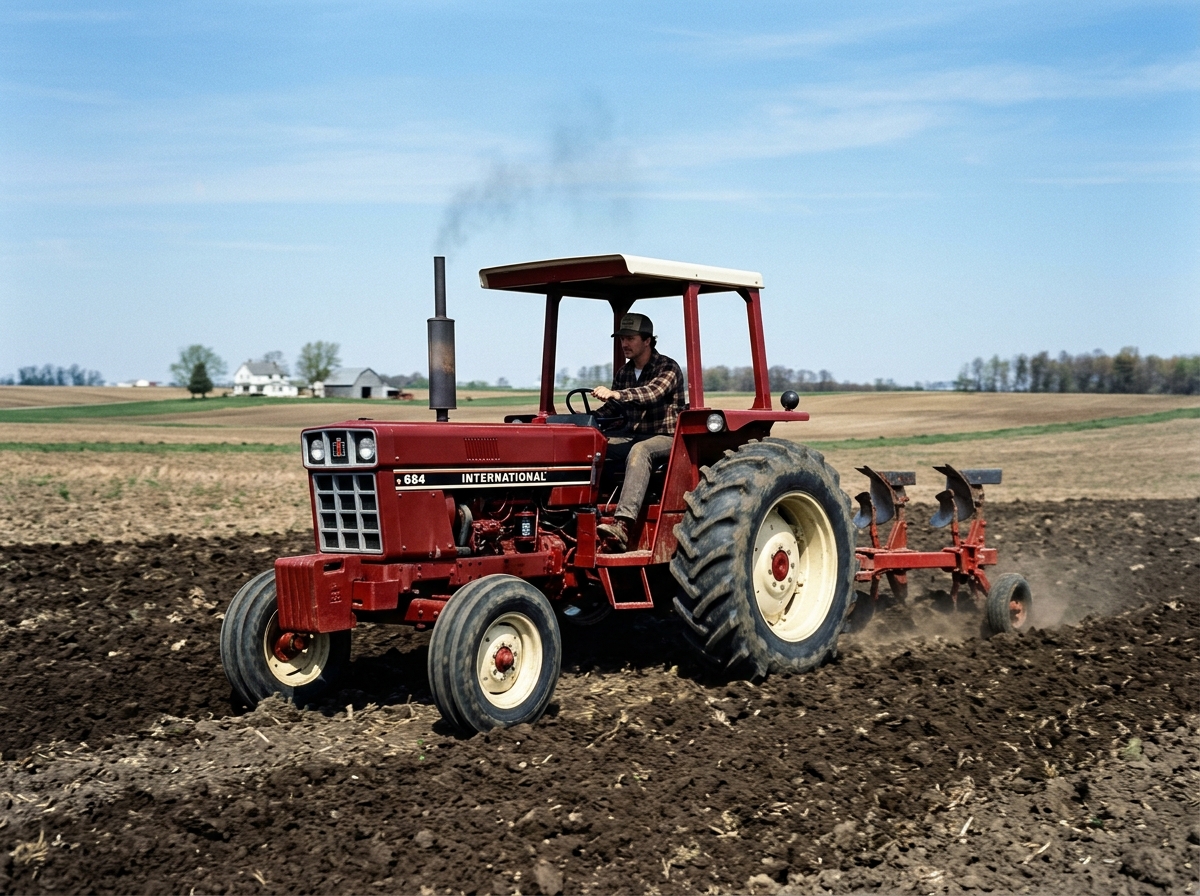
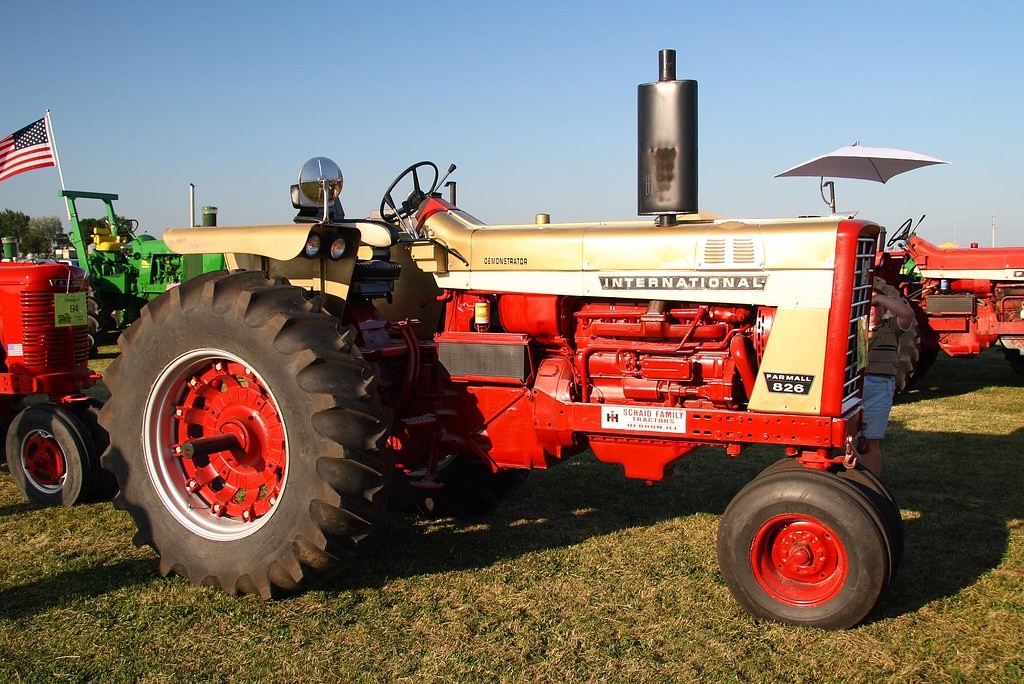
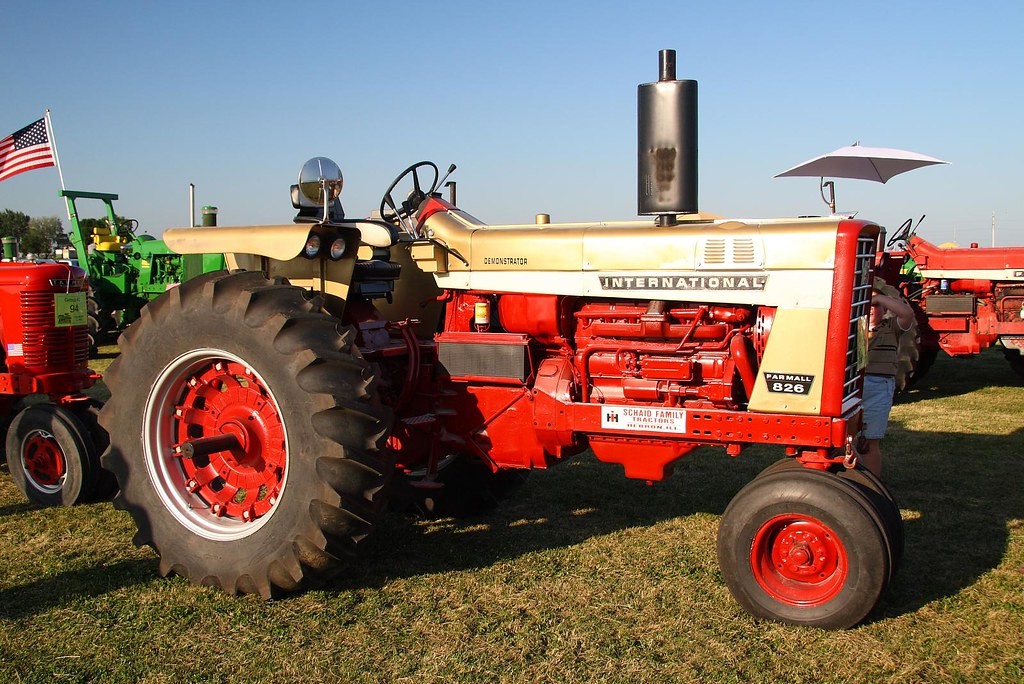
International Harvester was an agricultural giant that shaped modern farming with the Farmall tricycle row-crop tractor, Torque Amplifier transmissions, and iconic IH red styling.
Origin: USA Active: 1902 - 1985 Case IH
International Harvester was an agricultural giant that shaped modern farming with the Farmall tricycle row-crop tractor, Torque Amplifier transmissions, and iconic IH red styling.
Historical milestones, founding origins, and technological breakthroughs.
International Harvester (IH) was formed in 1902 through the historic $120 million consolidation of the McCormick Harvesting Machine Company and the Deering Harvester Company, orchestrated by J.P. Morgan. IH quickly grew into an industrial empire spanning farm tractors, heavy motor trucks, construction bulldozers, and stationery engines.
In 1924, IH engineer Bert R. Benjamin created the Farmall—a lightweight tricycle tractor capable of cultivating corn, cotton, and row crops, effectively rendering draft horses obsolete. IH’s legendary letter series (Farmall A, B, H, and M) painted in signature Farmall Red became the quintessential American farm tractor. Later breakthroughs included the Torque Amplifier (TA) under-load shift mechanism and the 1977 Axial-Flow rotary combine. In 1985, IH’s agricultural machinery operations merged with J.I. Case to form Case IH.
High clearance narrow-front tricycle design allowing cultivators to straddle crop rows without crushing plants.
Planetary gear reduction shifting down 33% and increasing torque 45% on the fly at full throttle.
Bulletproof inline 6-cylinder direct-injection turbo diesels celebrated for deep low-RPM torque rise.
Revolutionized grain separation by replacing oscillating straw walkers with a single spinning threshing rotor.
McCormick and Deering merge with 3 smaller builders to create International Harvester.
Unveils the row-crop tricycle tractor that mechanized cultivating worldwide.
Industrial designer Raymond Loewy redesigns Farmall Letter Series (A, B, H, M).
Introduces the first on-the-go shift lever doubling pull without touching the clutch.
Launches legendary 1066 and 1466 with high-torque DT-414 and DT-436 engines.
Agricultural assets merge with Case, preserving IH engineering under Case IH.
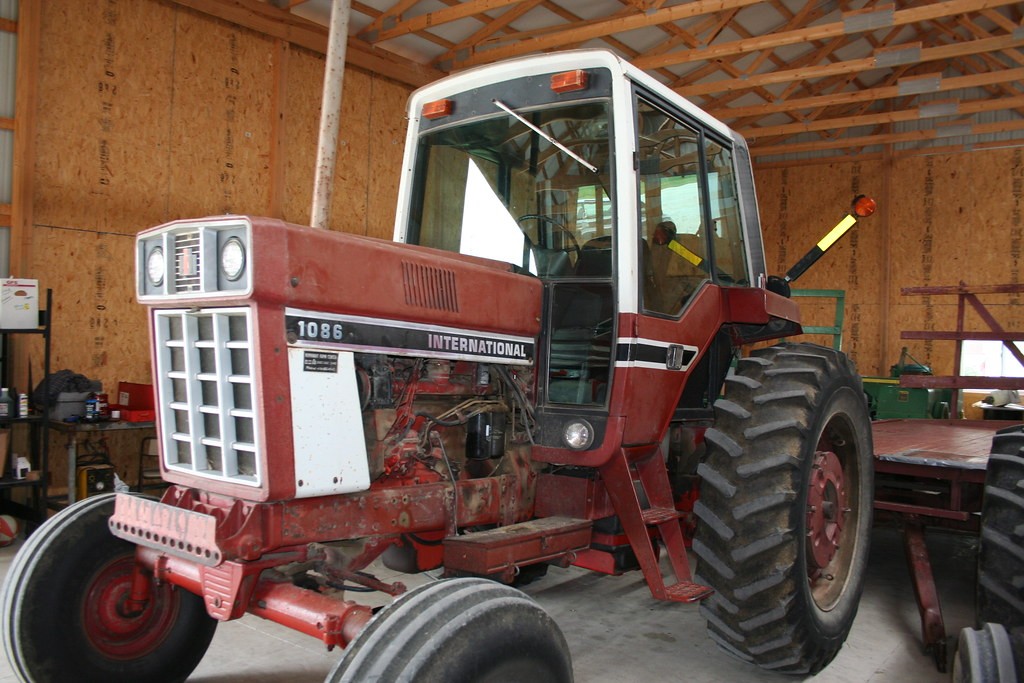
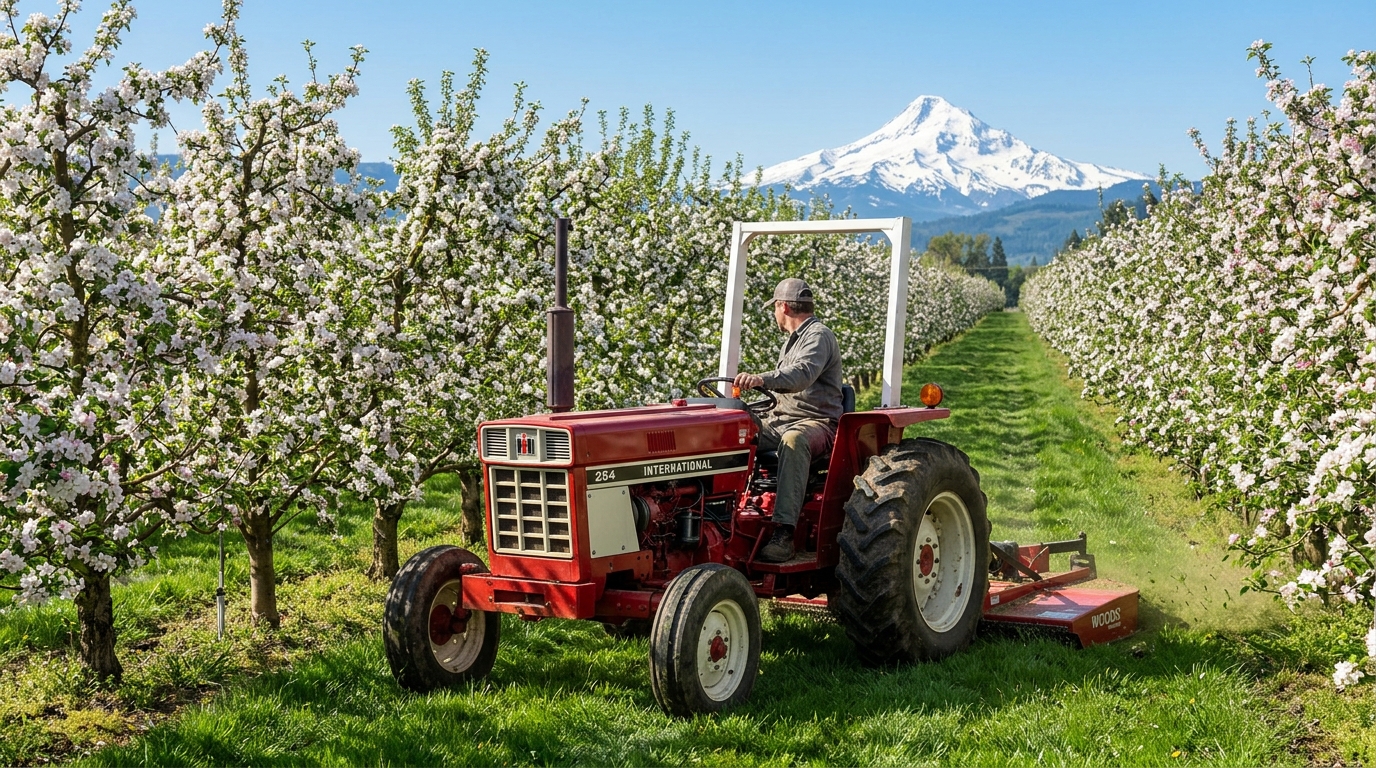
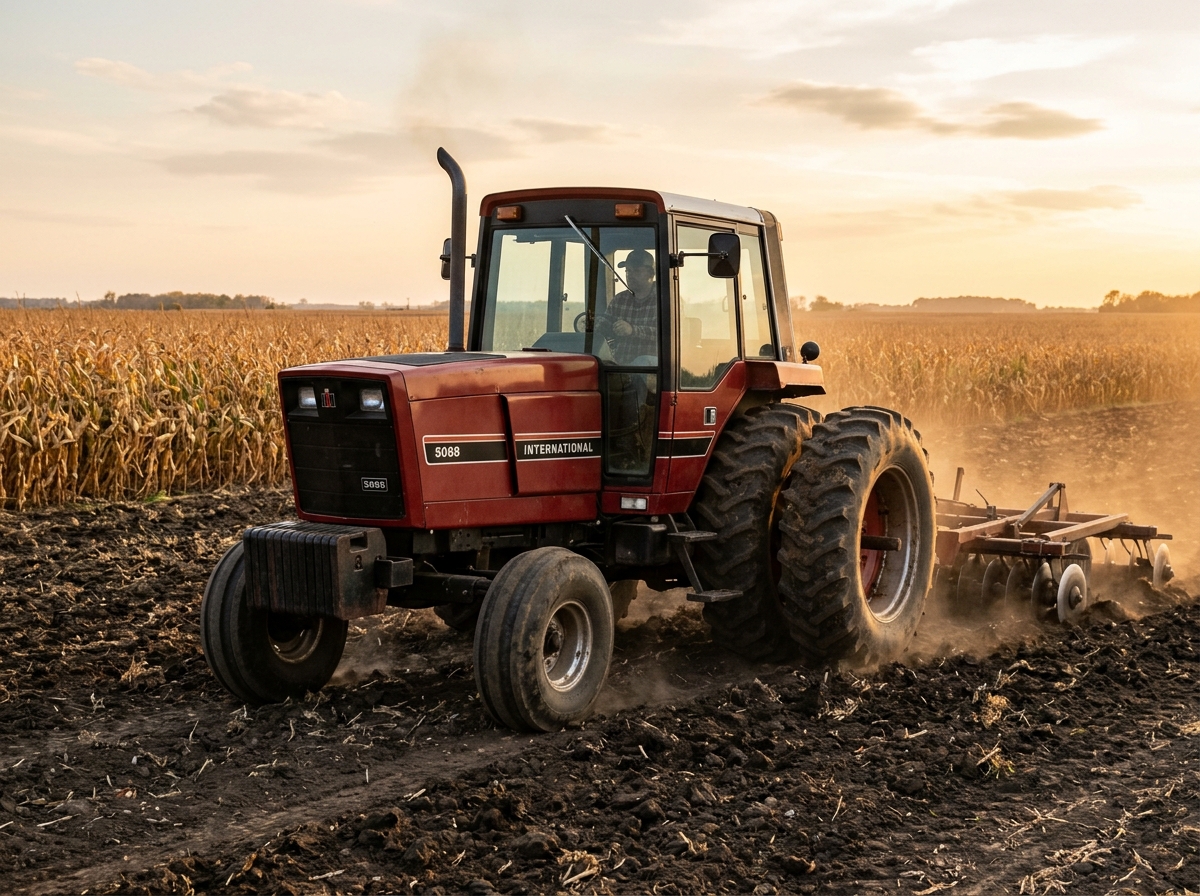
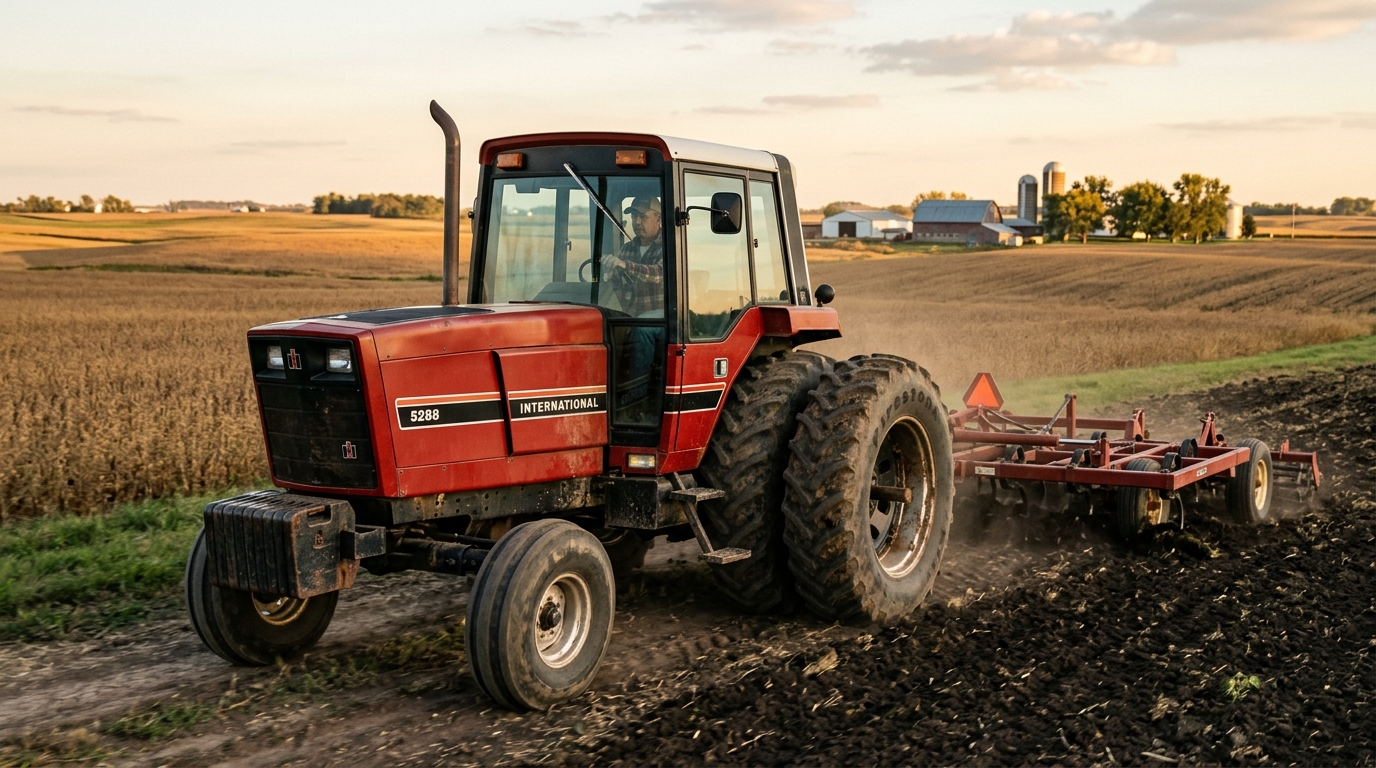
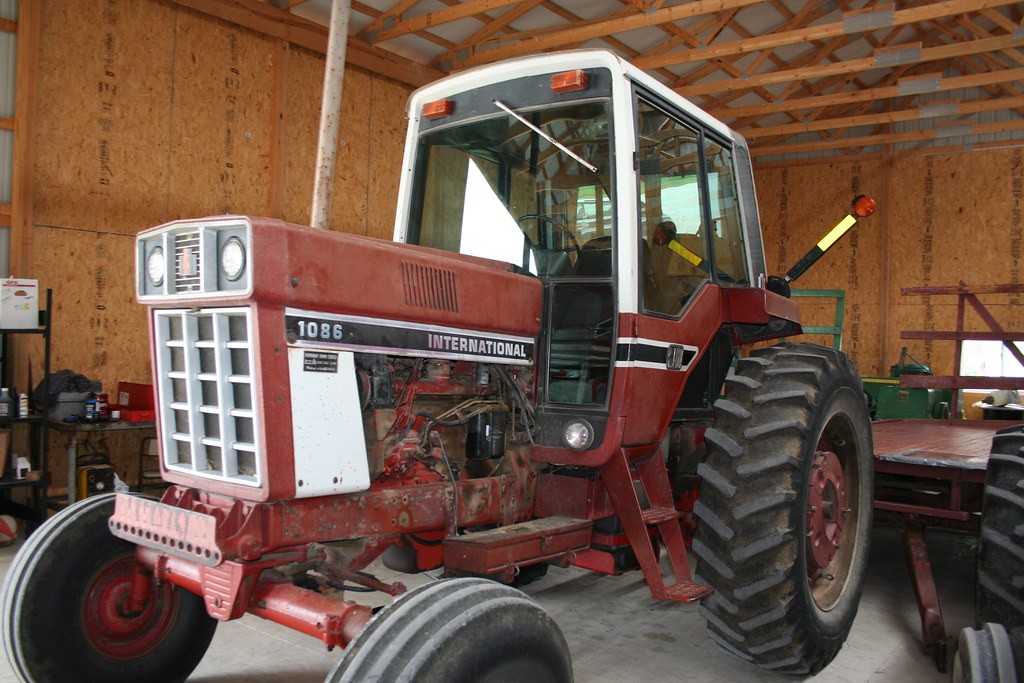
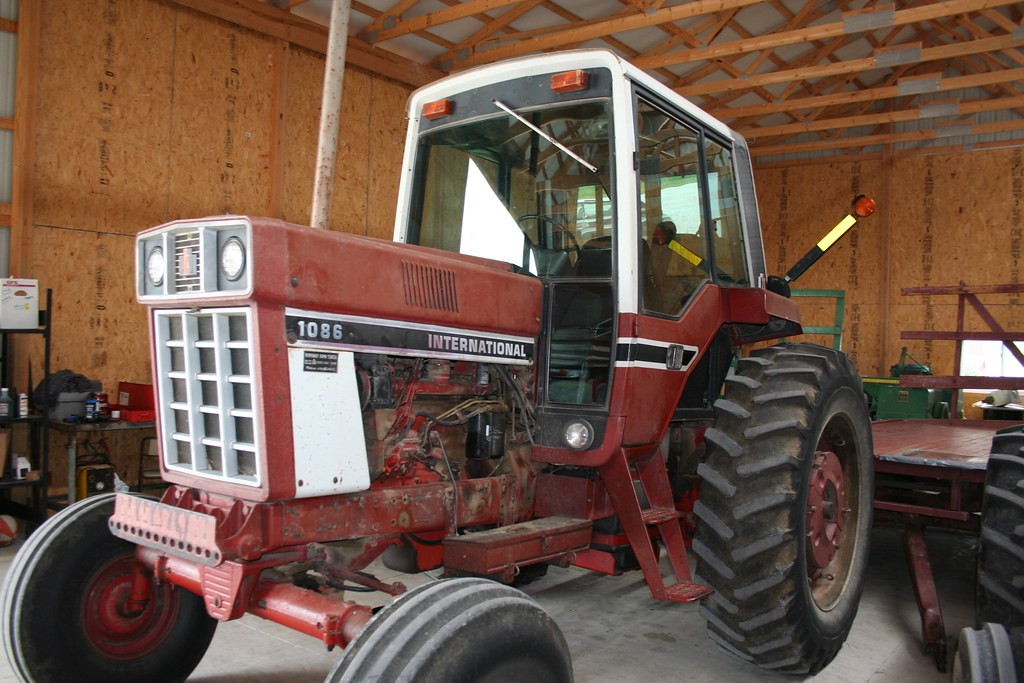
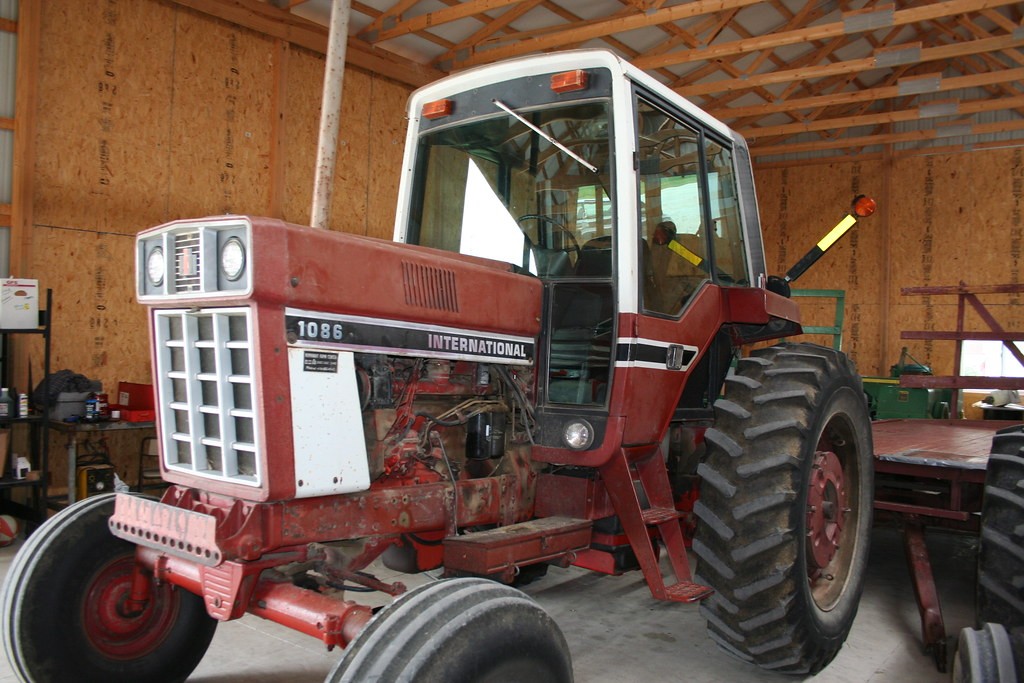
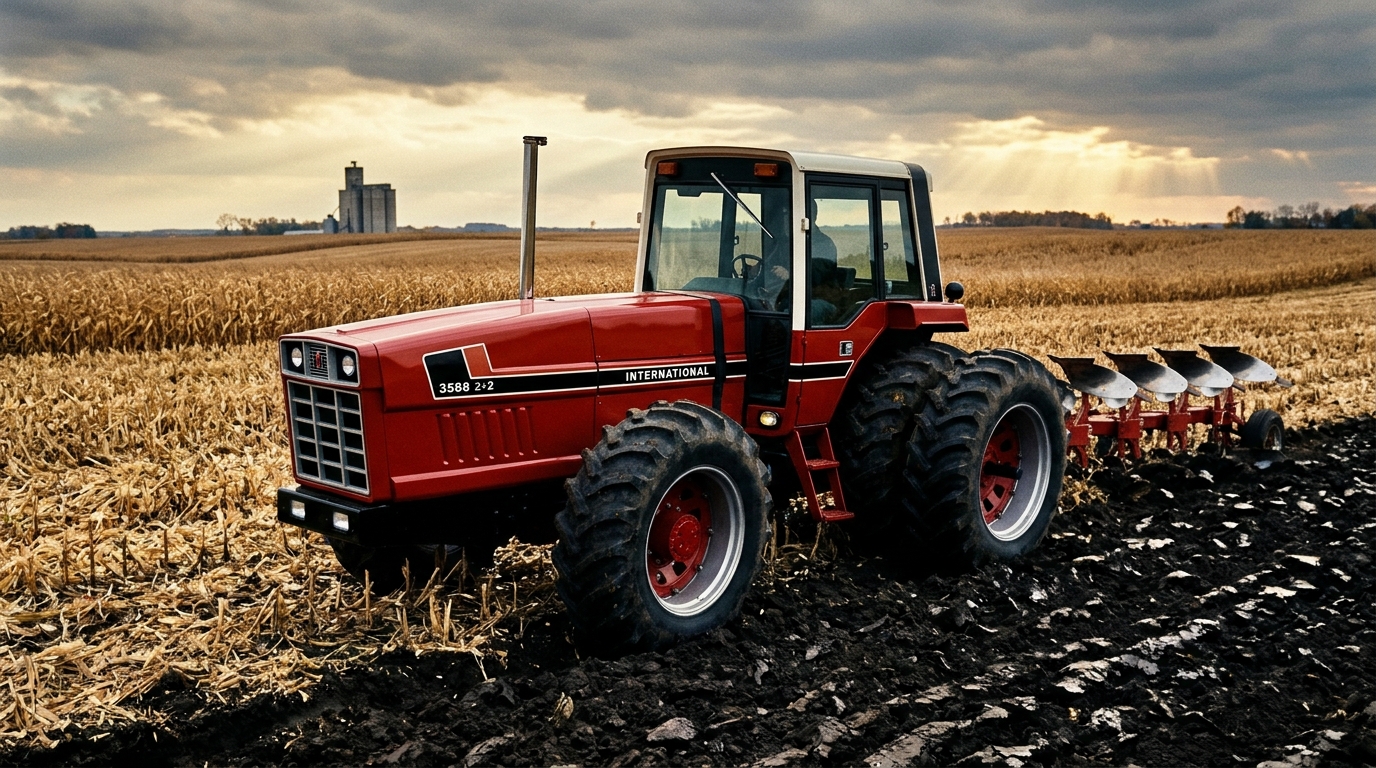
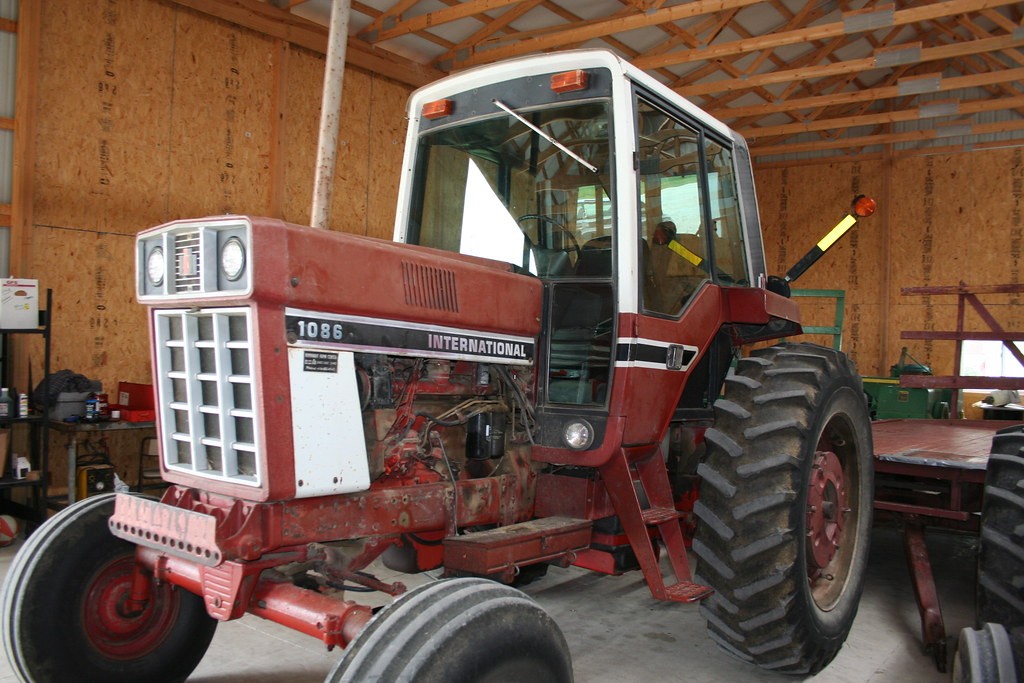
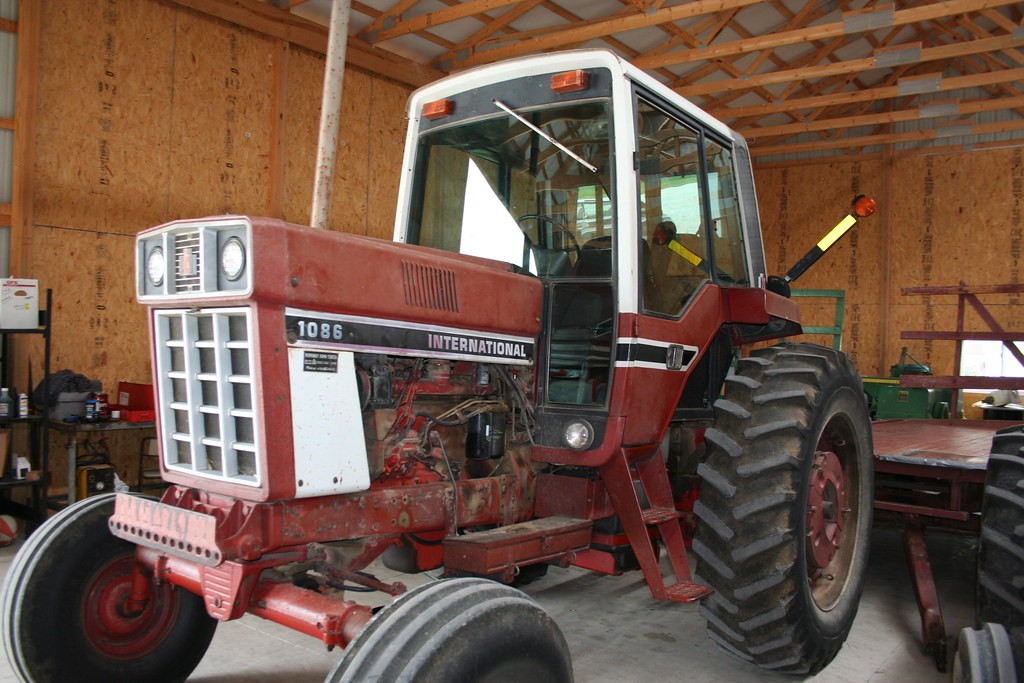
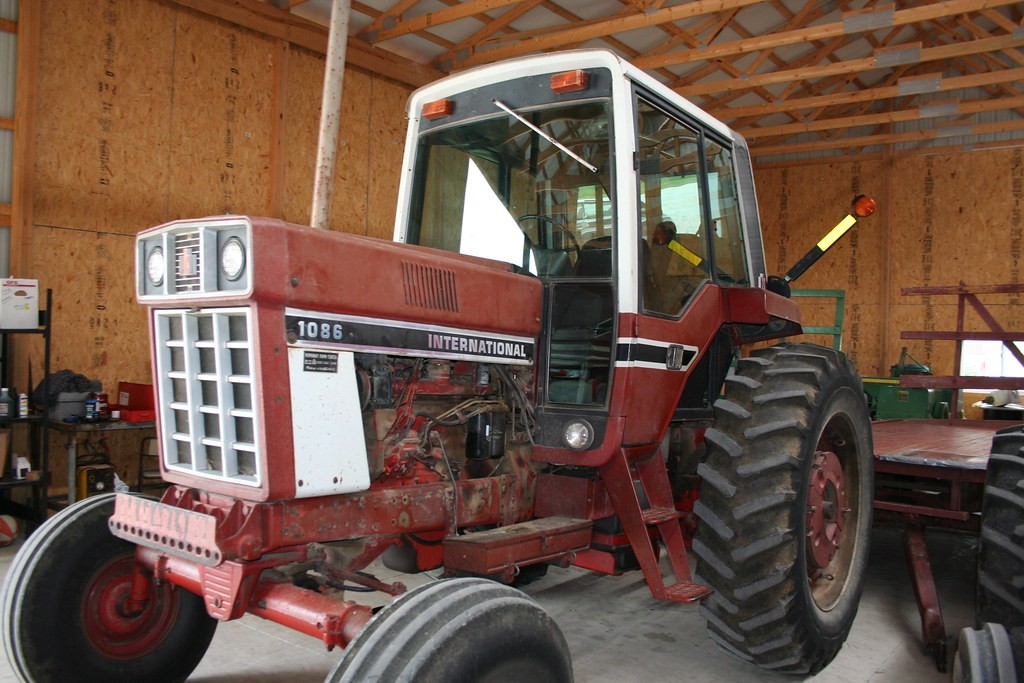
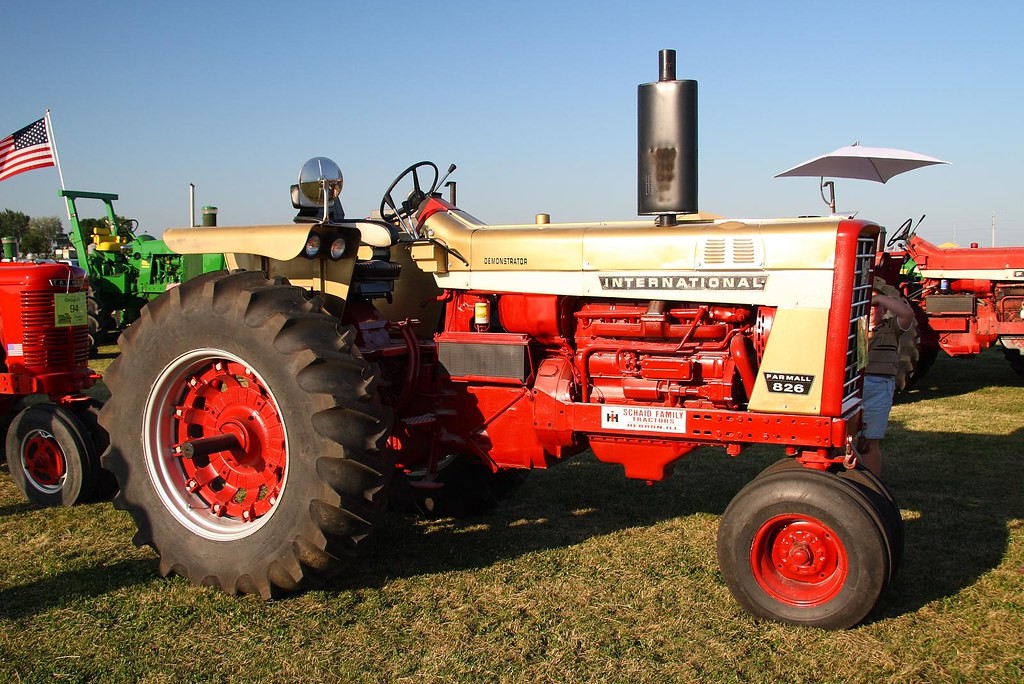
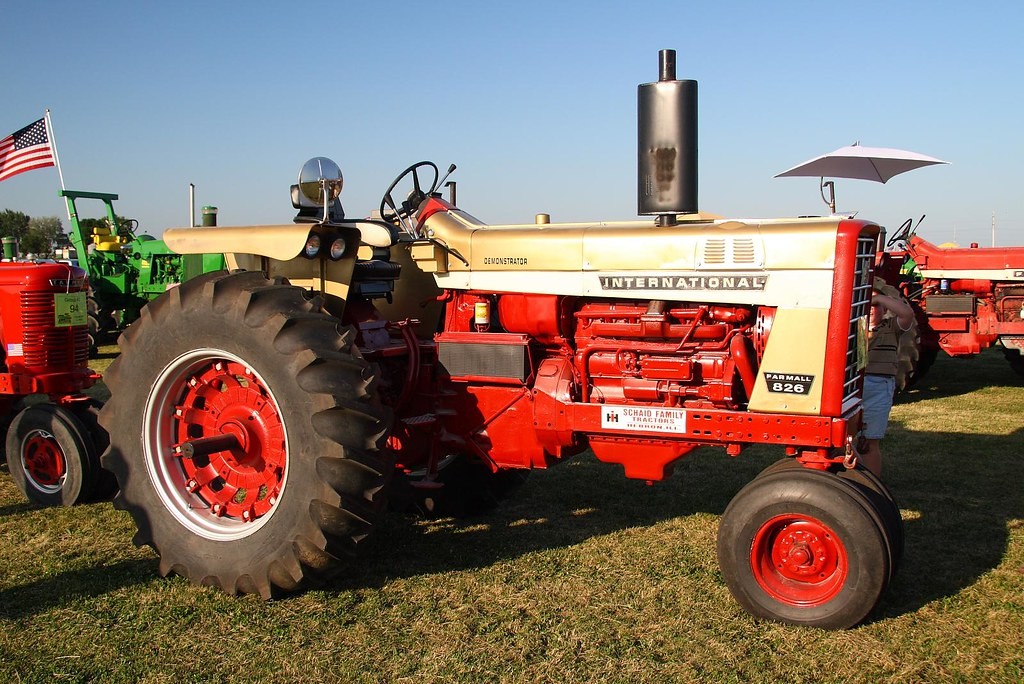
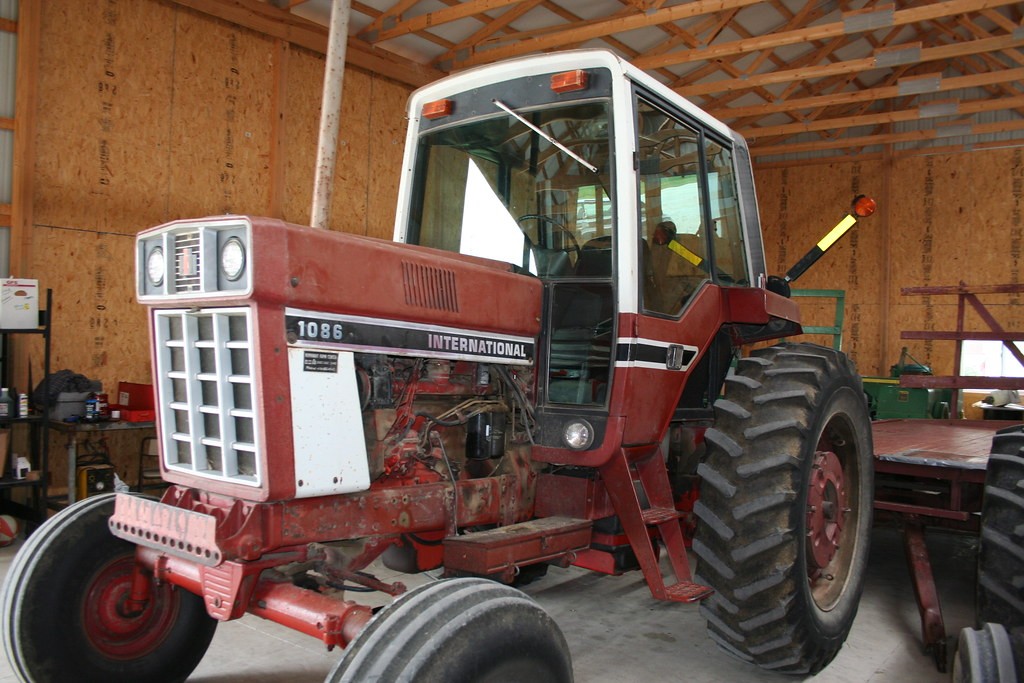
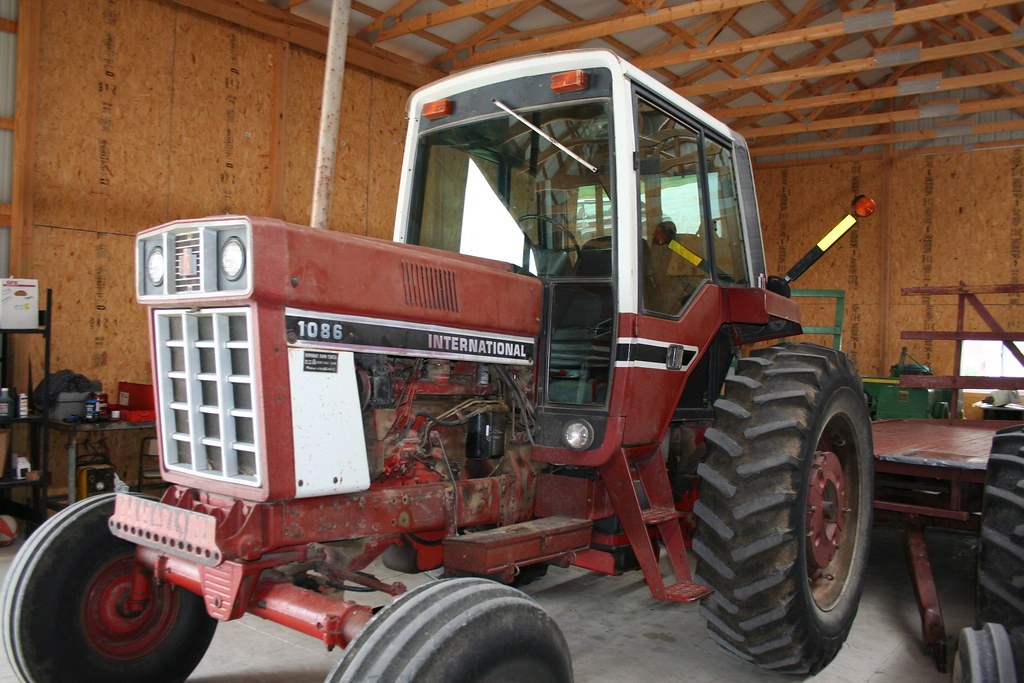
Notable models in our International Harvester catalog include the 1586, representing key milestones in International Harvester's agricultural engineering history.
All About Tractors currently tracks 25 verified specification sheets and laboratory test reports for International Harvester tractors.
Official test reports from the Nebraska Tractor Test Laboratory and the DLG Test Center are linked directly on each individual International Harvester tractor profile.
International Harvester tractors in our database range from compact utility models up to high-horsepower row-crop machines delivering up to 185 hp.
International Harvester equips its tractor lineups with certified diesel engines engineered for high torque rise, fuel economy, and compliance with emissions standards.
Depending on the series and manufacturing year, International Harvester models feature synchronized mechanical gearboxes, multi-speed PowerShift units, or continuous variable transmissions (CVT).
The serial number plate is typically stamped on the transmission housing, front frame casting, or right-hand engine block. Match the sequential number against our International Harvester yearly serial number records.
International Harvester utility models feature Category 1, 2, or 3 three-point linkages with position control and draft sensing for heavy agricultural implements.
Certified OECD dynamometer testing measures International Harvester fuel consumption under varying engine loads, providing exact gallons/hour and g/kWh consumption metrics.
Each International Harvester specification page links to verified OEM parts lookups, aftermarket suppliers, and operator/workshop repair manuals.
Check engine cold-starting compression, hydraulic remote pressure, 3-point rockshaft seals, transmission shift smoothness under load, and front axle kingpin play.
Yes! Use our side-by-side comparison portal to compare any International Harvester model directly against tractors from John Deere, Case IH, Fendt, New Holland, or Kubota.