ISEKI
Iseki Tractors
Iseki & Co. is a leading Japanese agricultural machinery builder celebrated for precision engineering, compact four-wheel drive, and high-efficiency diesel drivetrains.
Origin: Japan Active: 1926 - Present Iseki & Co., Ltd.
Iseki & Co. is a leading Japanese agricultural machinery builder celebrated for precision engineering, compact four-wheel drive, and high-efficiency diesel drivetrains.
Historical milestones, founding origins, and technological breakthroughs.
Iseki has played a dedicated role in the mechanization of global agriculture, providing durable tractors and machinery to farmers seeking dependable performance and accessible maintenance. Throughout its operational history spanning from 1979 to 1979, the company focused on engineering robust mechanical drivetrains, practical hydraulics, and functional operator controls suited for challenging field conditions.
With 2 cataloged specification profiles in our verified database, Iseki machinery ranges from compact utility chore tractors to heavy row-crop and draft platforms. Each model reflects the agricultural requirements and testing standards of its era, backed by certified dynamometer test reports and engineering documentation.
Reinforced cast-iron front bolster and transmission casing designed for heavy agricultural implement carrying.
Fuel-efficient diesel powerplants calibrated for sustained drawbar pulling in demanding soil conditions.
Universal 3-point geometry ensuring compatibility with standard rotavators, plows, and disc harrows.
Introduction of early Iseki agricultural models, establishing regional field reputation.
Broadened horsepower classes, synchronized transmissions, and multi-valve hydraulic options.
Comprehensive technical documentation and test archival across 2 verified models.
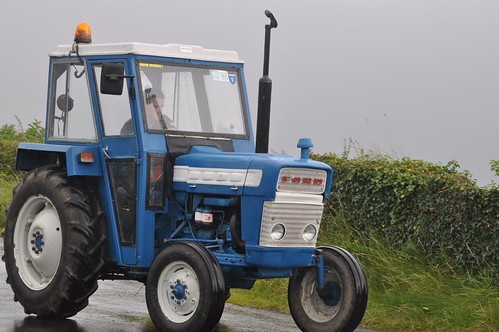
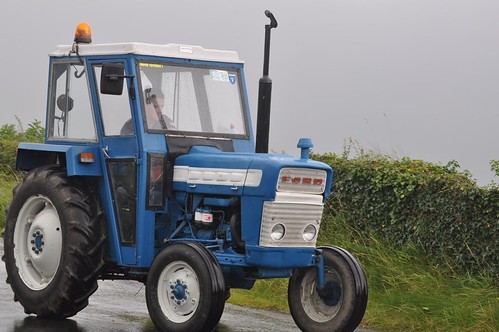
Notable models in our Iseki catalog include the TK 527, representing key milestones in Iseki's agricultural engineering history.
All About Tractors currently tracks 2 verified specification sheets and laboratory test reports for Iseki tractors.
Official test reports from the Nebraska Tractor Test Laboratory and the DLG Test Center are linked directly on each individual Iseki tractor profile.
Iseki tractors in our database range from compact utility models up to high-horsepower row-crop machines delivering up to 62 hp.
Iseki equips its tractor lineups with certified diesel engines engineered for high torque rise, fuel economy, and compliance with emissions standards.
Depending on the series and manufacturing year, Iseki models feature synchronized mechanical gearboxes, multi-speed PowerShift units, or continuous variable transmissions (CVT).
The serial number plate is typically stamped on the transmission housing, front frame casting, or right-hand engine block. Match the sequential number against our Iseki yearly serial number records.
Iseki utility models feature Category 1, 2, or 3 three-point linkages with position control and draft sensing for heavy agricultural implements.
Certified OECD dynamometer testing measures Iseki fuel consumption under varying engine loads, providing exact gallons/hour and g/kWh consumption metrics.
Each Iseki specification page links to verified OEM parts lookups, aftermarket suppliers, and operator/workshop repair manuals.
Check engine cold-starting compression, hydraulic remote pressure, 3-point rockshaft seals, transmission shift smoothness under load, and front axle kingpin play.
Yes! Use our side-by-side comparison portal to compare any Iseki model directly against tractors from John Deere, Case IH, Fendt, New Holland, or Kubota.