STEIG
Steiger Tractors
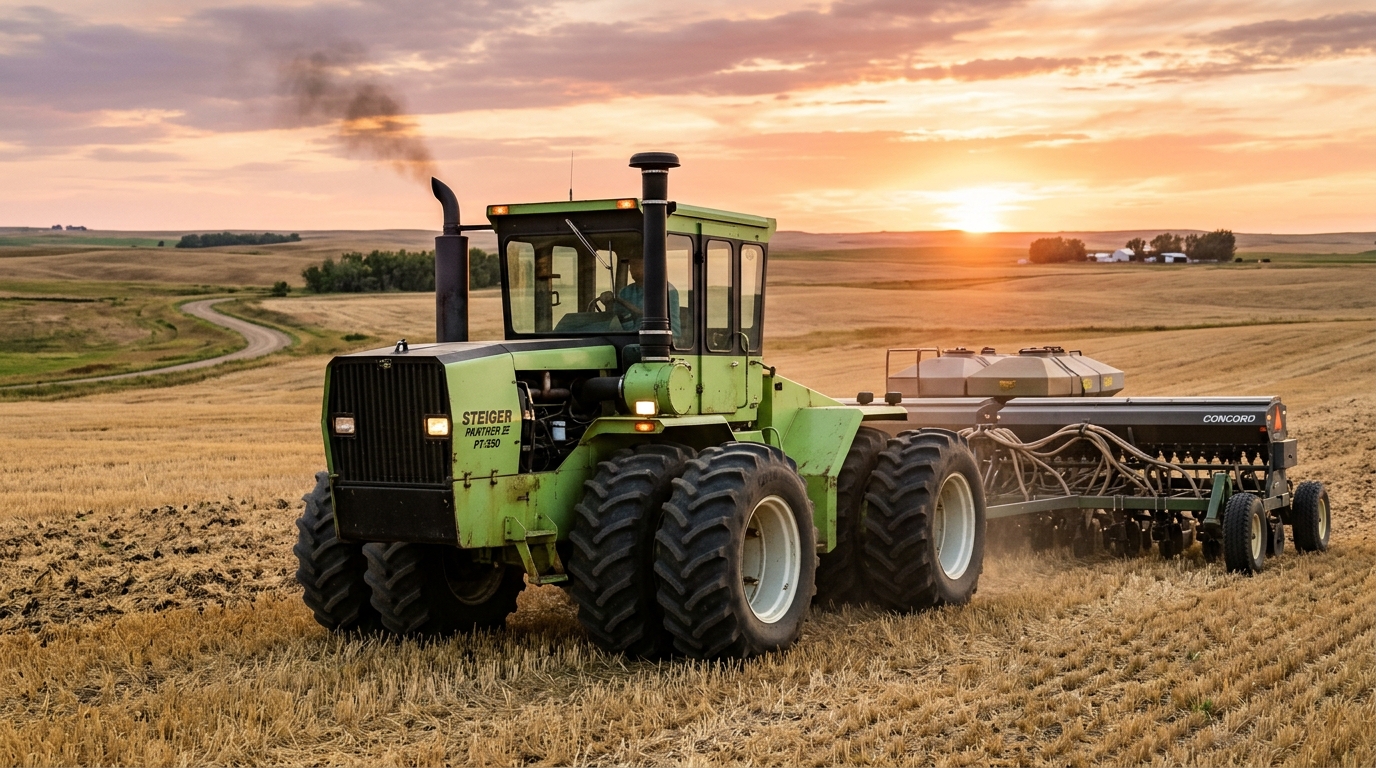
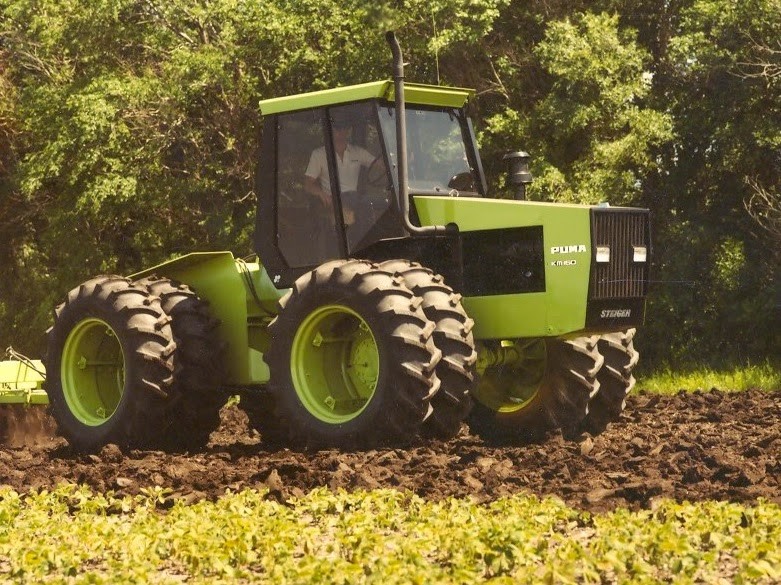
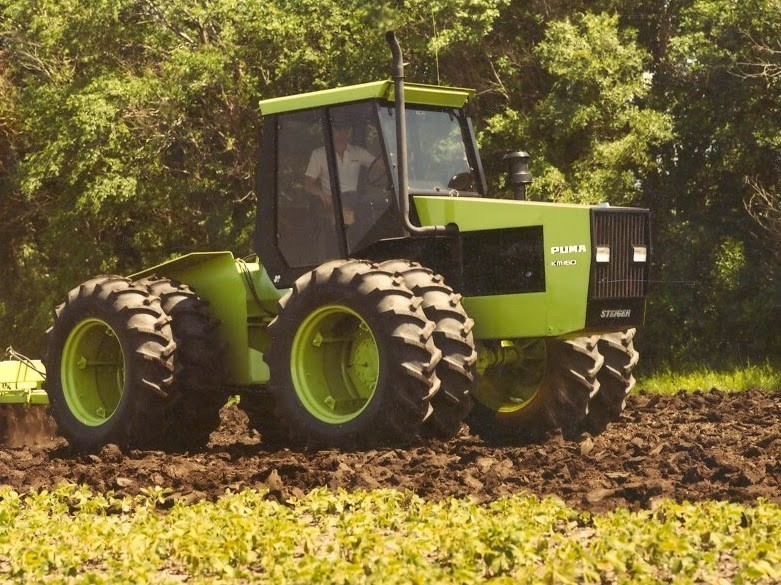
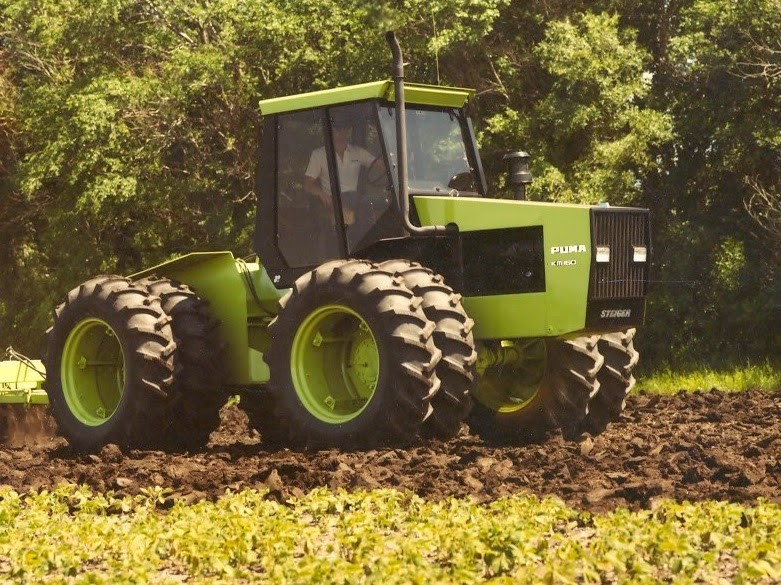
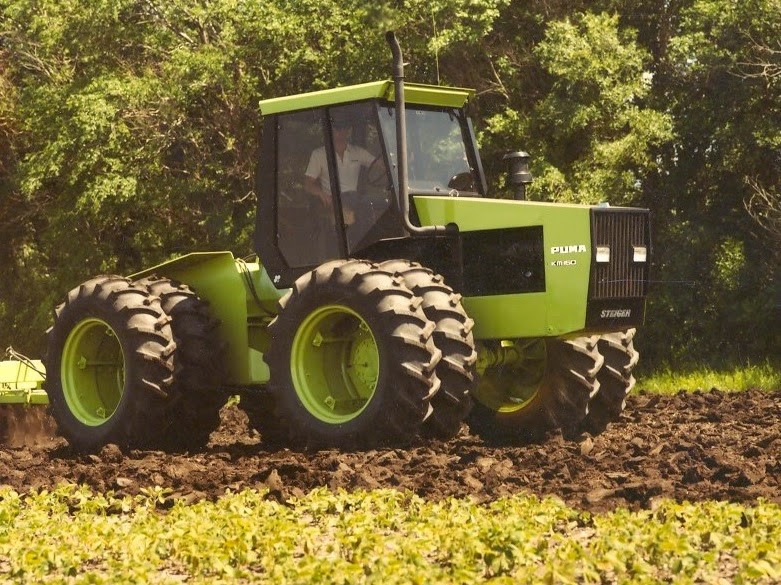
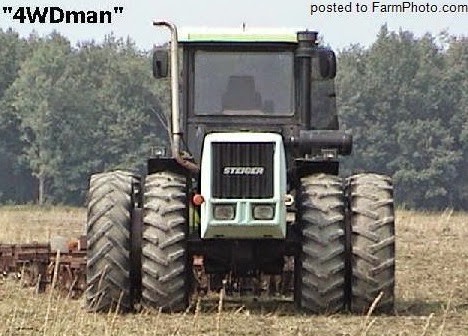
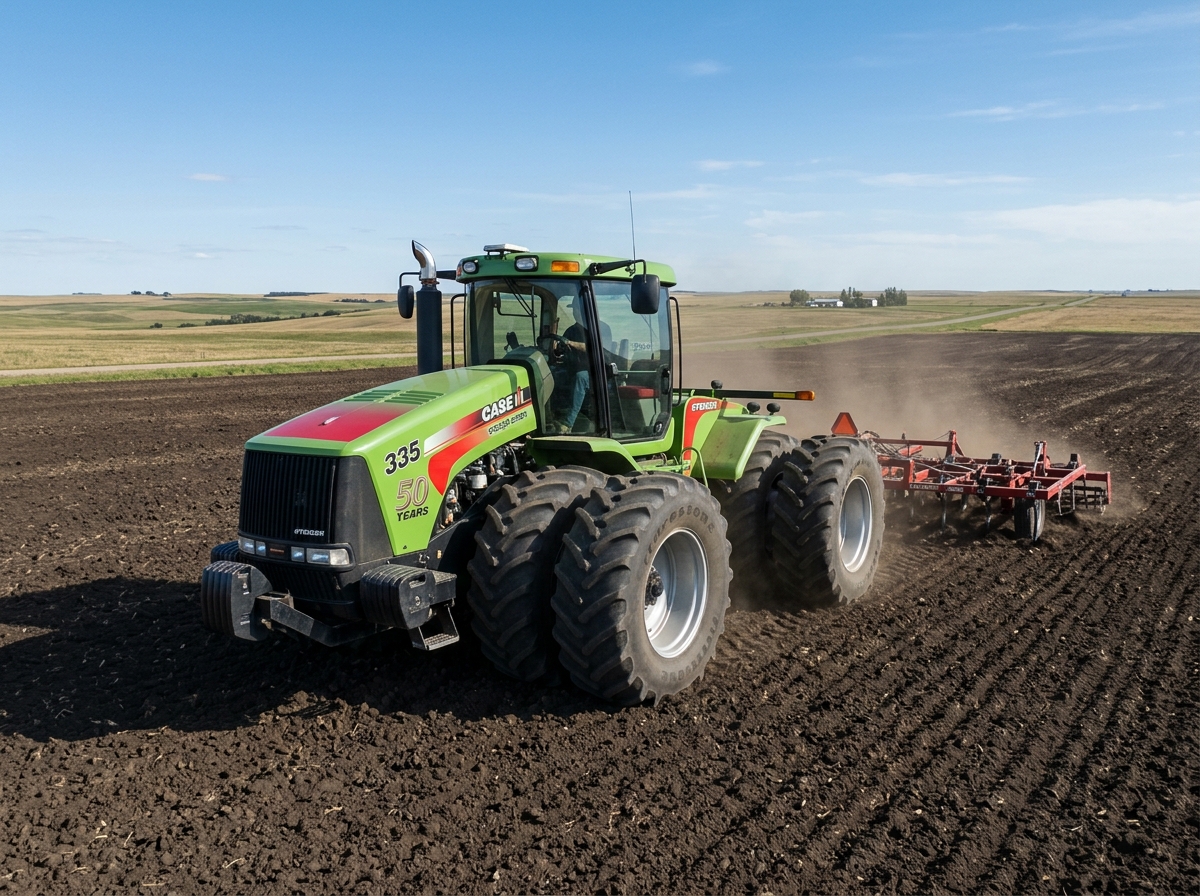
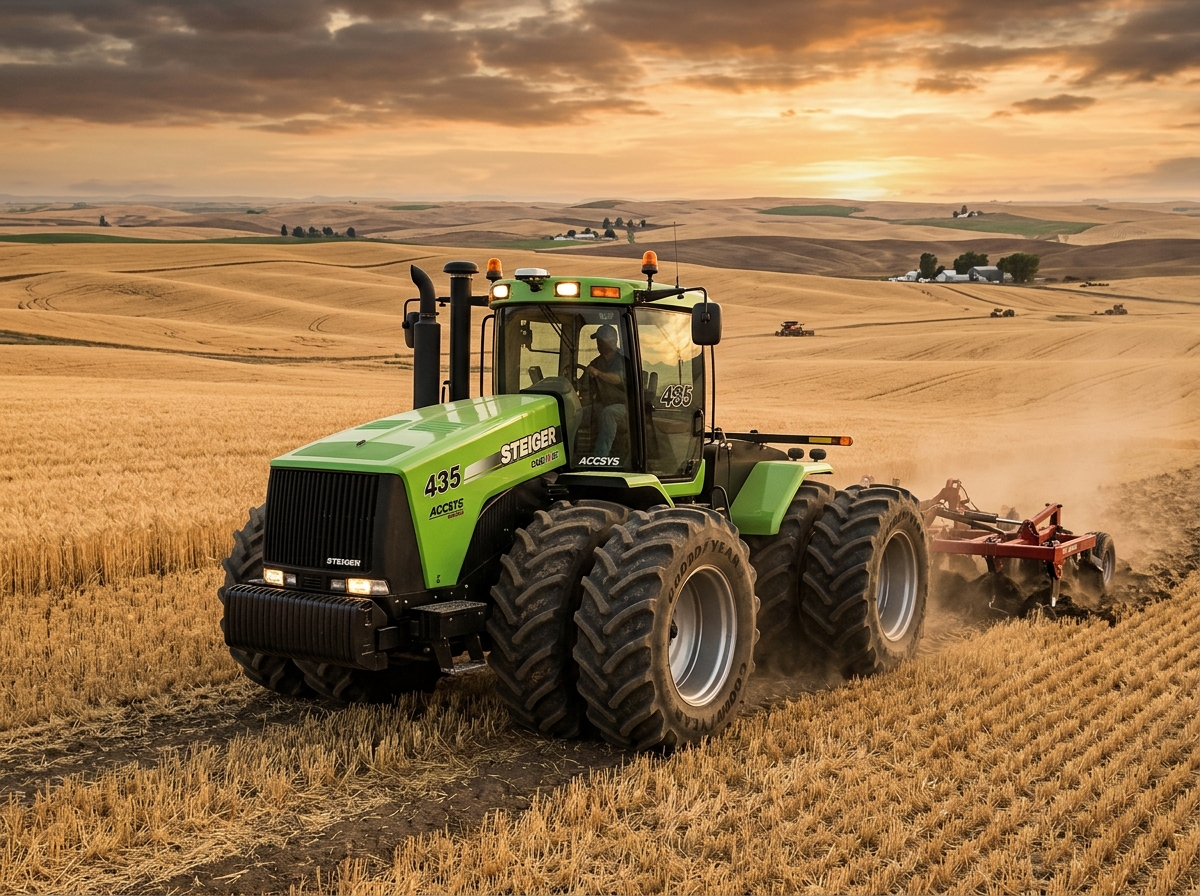
Founded by the Steiger brothers in Red Lake Falls, Minnesota, Steiger defined modern large-scale agriculture with lime-green articulated 4WD heavy draft machines.
Origin: USA Active: 1957 - 1986 Case IH
Founded by the Steiger brothers in Red Lake Falls, Minnesota, Steiger defined modern large-scale agriculture with lime-green articulated 4WD heavy draft machines.
Historical milestones, founding origins, and technological breakthroughs.
The Steiger story is one of the most famous legends in American agricultural engineering. In the winter of 1957 on their farm in Red Lake Falls, Minnesota, brothers Maurice and Douglass Steiger and their father John needed a powerful 4WD tractor to work their heavy Red River Valley gumbo soil before spring frost. Working in their converted dairy barn using scrap steel and an earthmover axle, they built "Steiger No. 1"—a green articulated 4-wheel-drive brute powered by a Detroit Diesel engine.
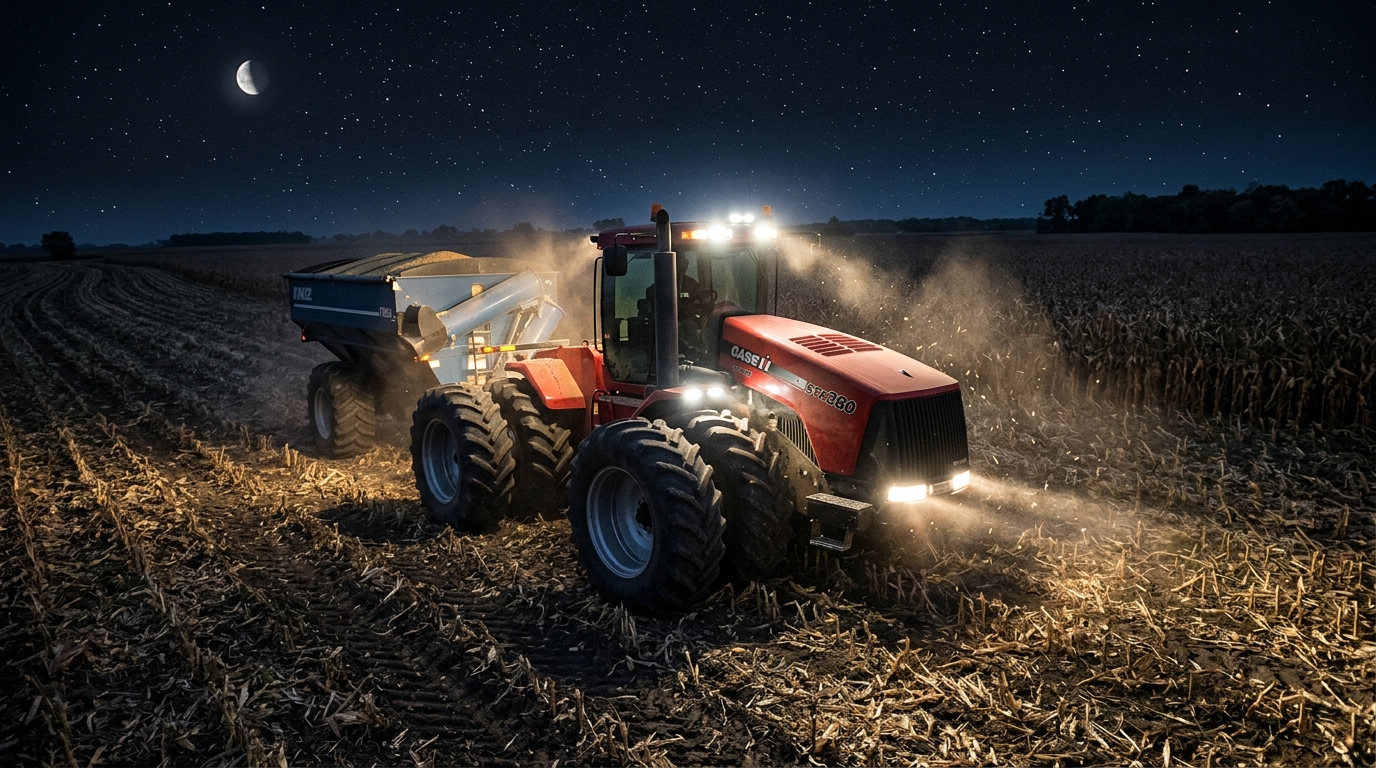
Neighboring farmers pleaded for custom-built models, prompting the Steigers to begin series production of their predatory cats: the Wildcat, Super Wildcat, Bearcat, Cougar, Panther, and the 525 HP Tiger. By utilizing off-the-shelf commercial components (Cummins and Caterpillar engines, Allison automatic and Fuller road-ranger transmissions, and Raba heavy axles), Steiger built the most reliable high-acreage draft tractors in history. Acquired by Tenneco/Case IH in 1986, the Fargo, North Dakota plant remains the manufacturing home of modern Case IH Steiger and Quadtrac machines.
Front and rear frames pivoting horizontally and oscillating vertically to keep all 4 wheels planted in mud.
Paired industrial Cummins/Caterpillar diesels with commercial Fuller Roadranger 10/12-speed transmissions.
Massive heavy-duty planetary reduction wheel hubs handling enormous low-speed draft torque without snapping.
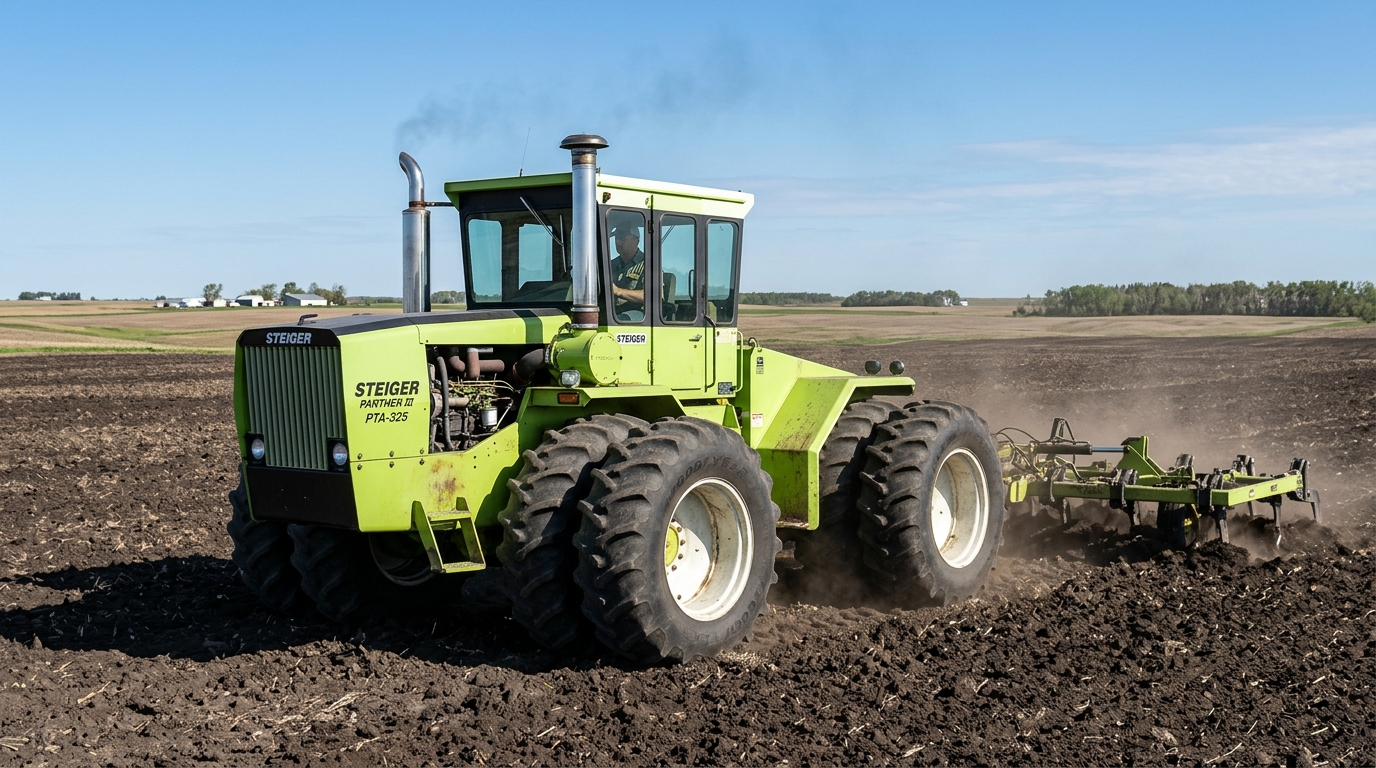
Distinctive lime-green hue chosen for visibility across wide-open Great Plains wheat horizons.
Steiger family constructs articulated 4WD tractor in Red Lake Falls, Minnesota barn.
Production moves to Fargo, North Dakota, introducing the iconic Safari Green paint.
Formalized Wildcat, Bearcat, Cougar, and Panther lineup with Cummins and Cat power.
Debuts the Steiger Tiger, the most powerful series-production farm tractor in the world.
Tenneco acquires Steiger, establishing Fargo as the 4WD center of excellence for Case IH.
Steiger platform utilized to launch the world's first 4-track articulated tractor.
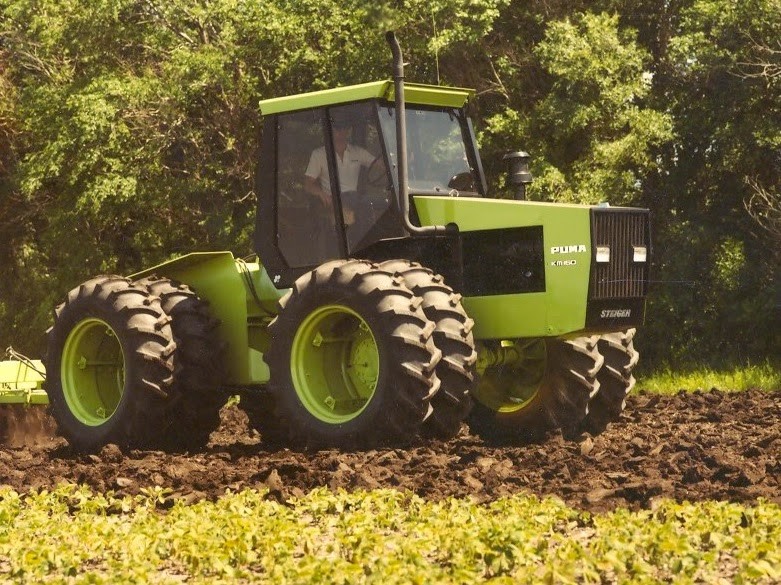
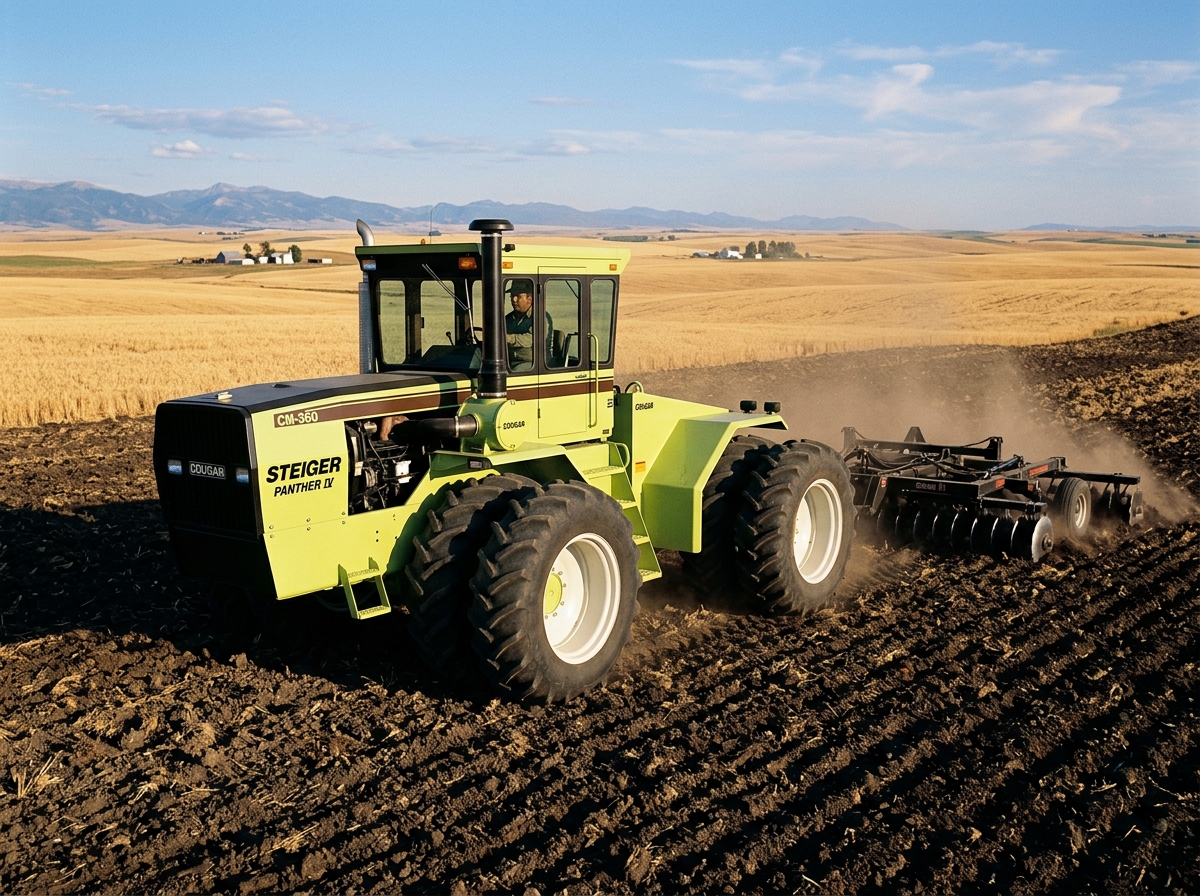
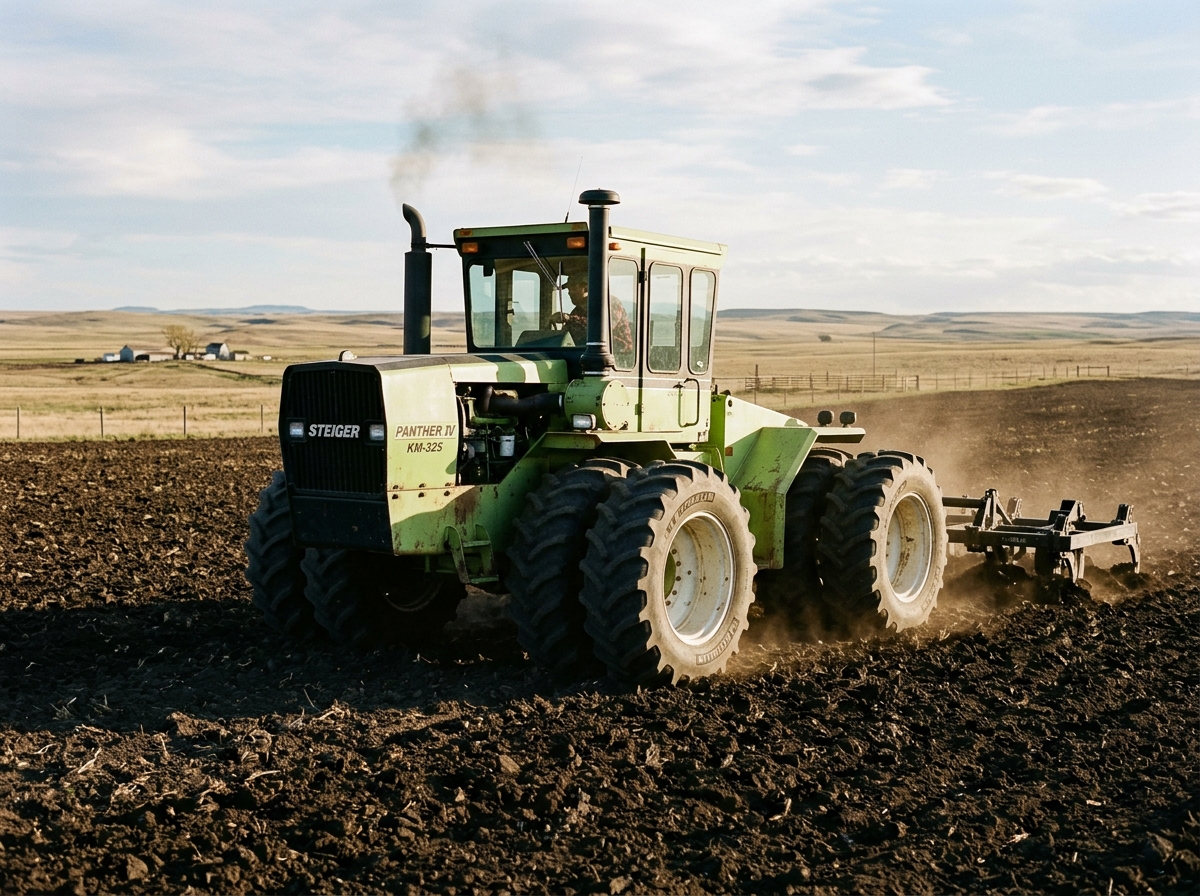
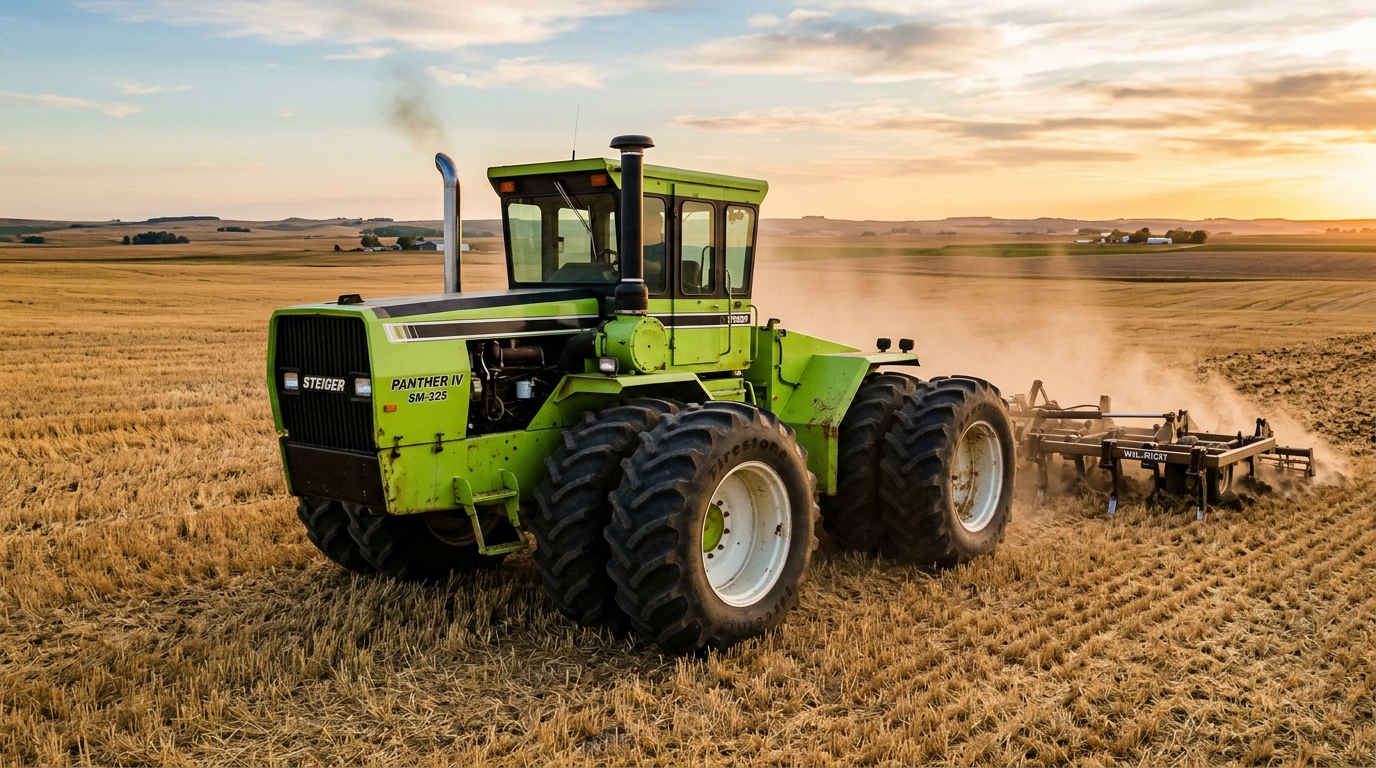
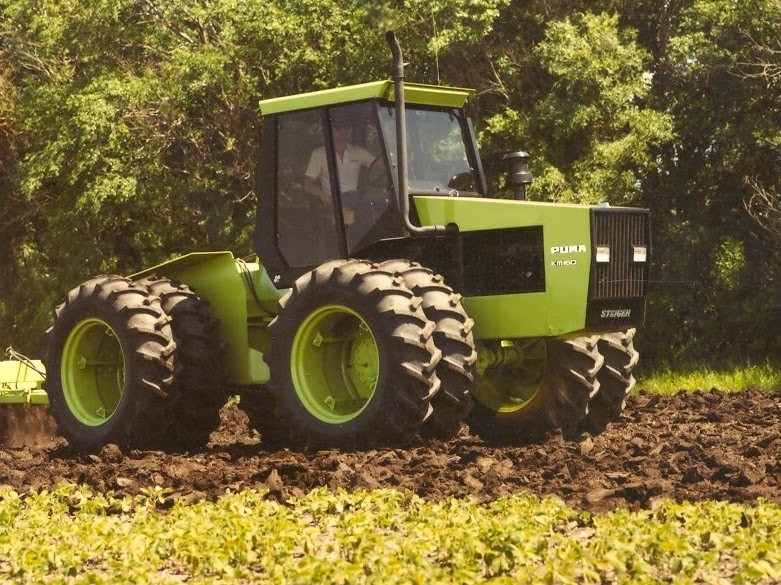
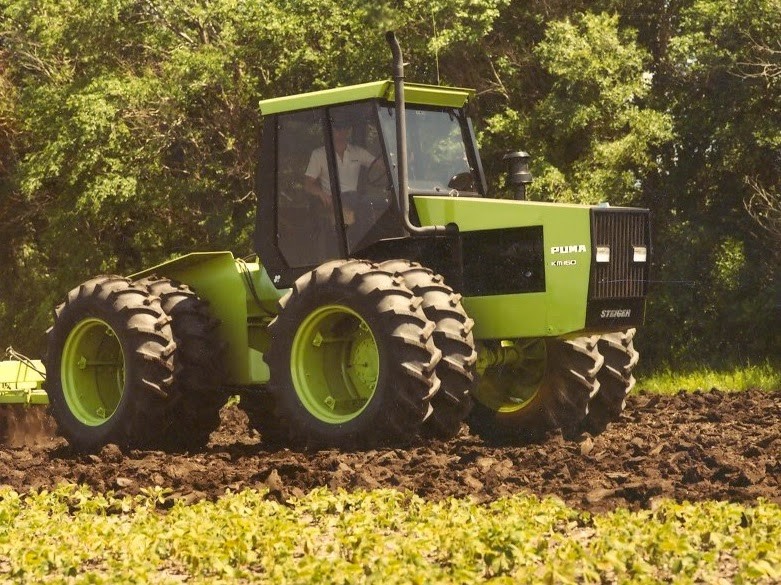
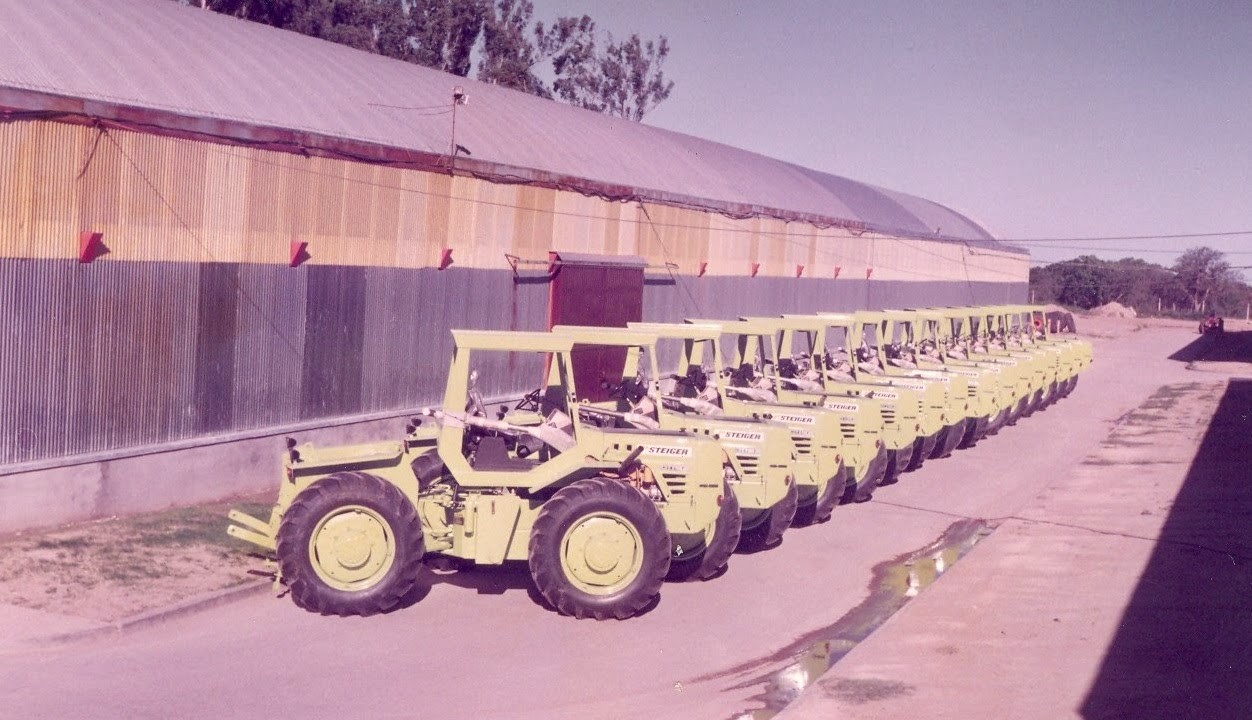
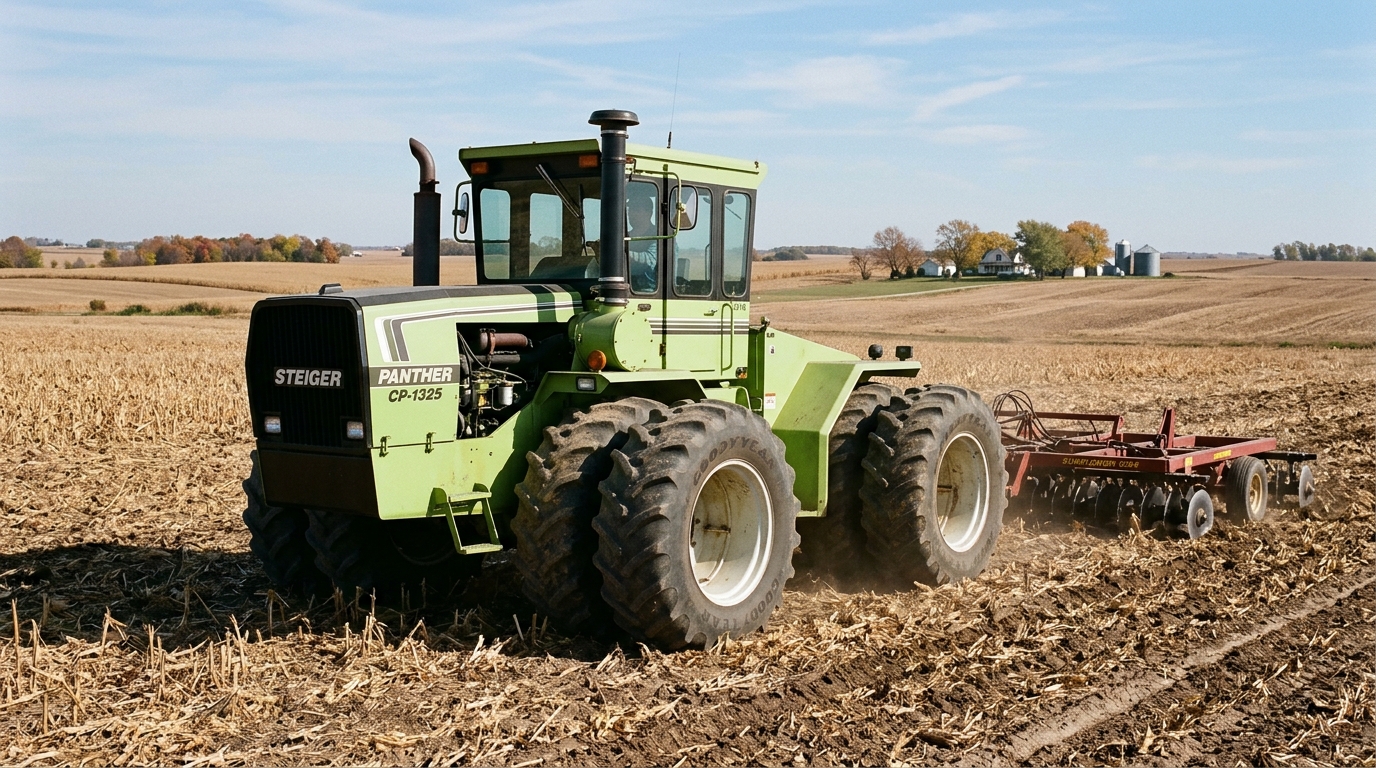
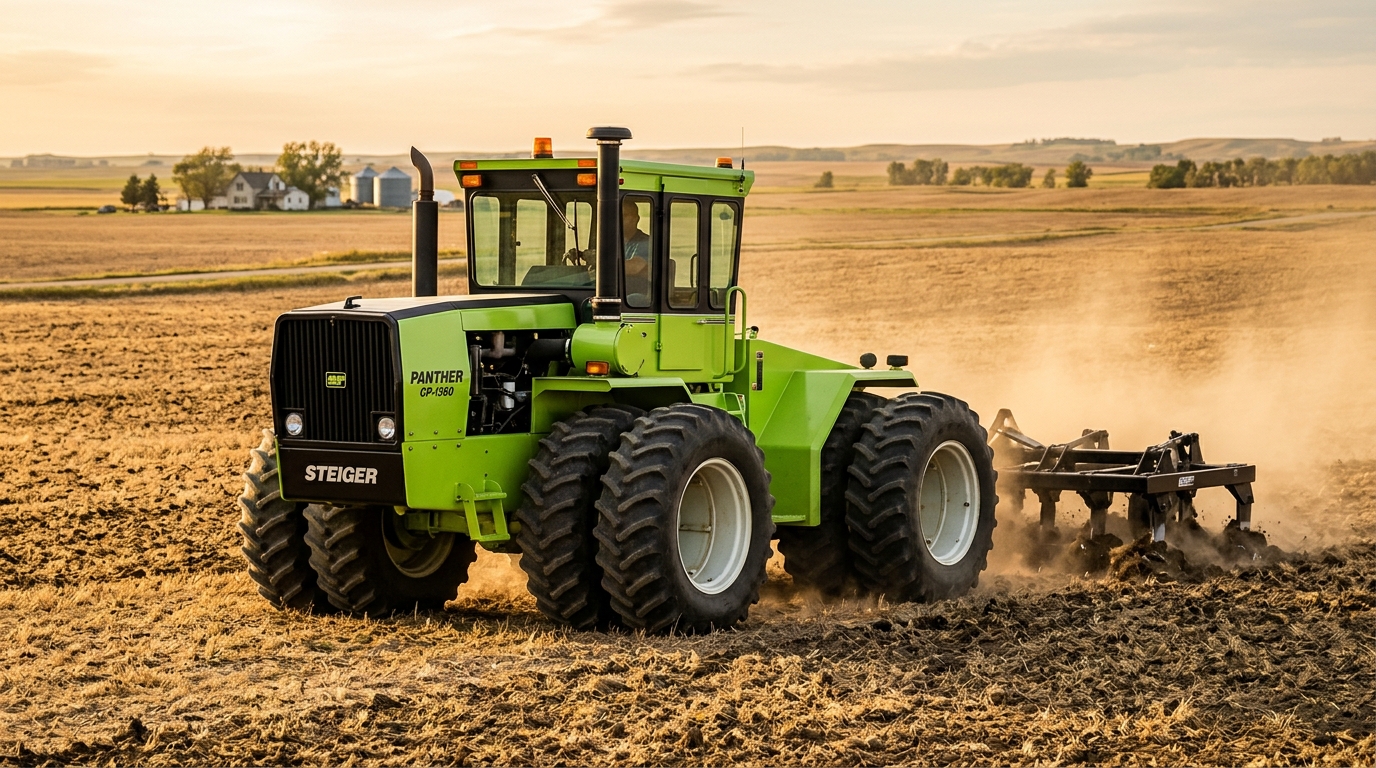
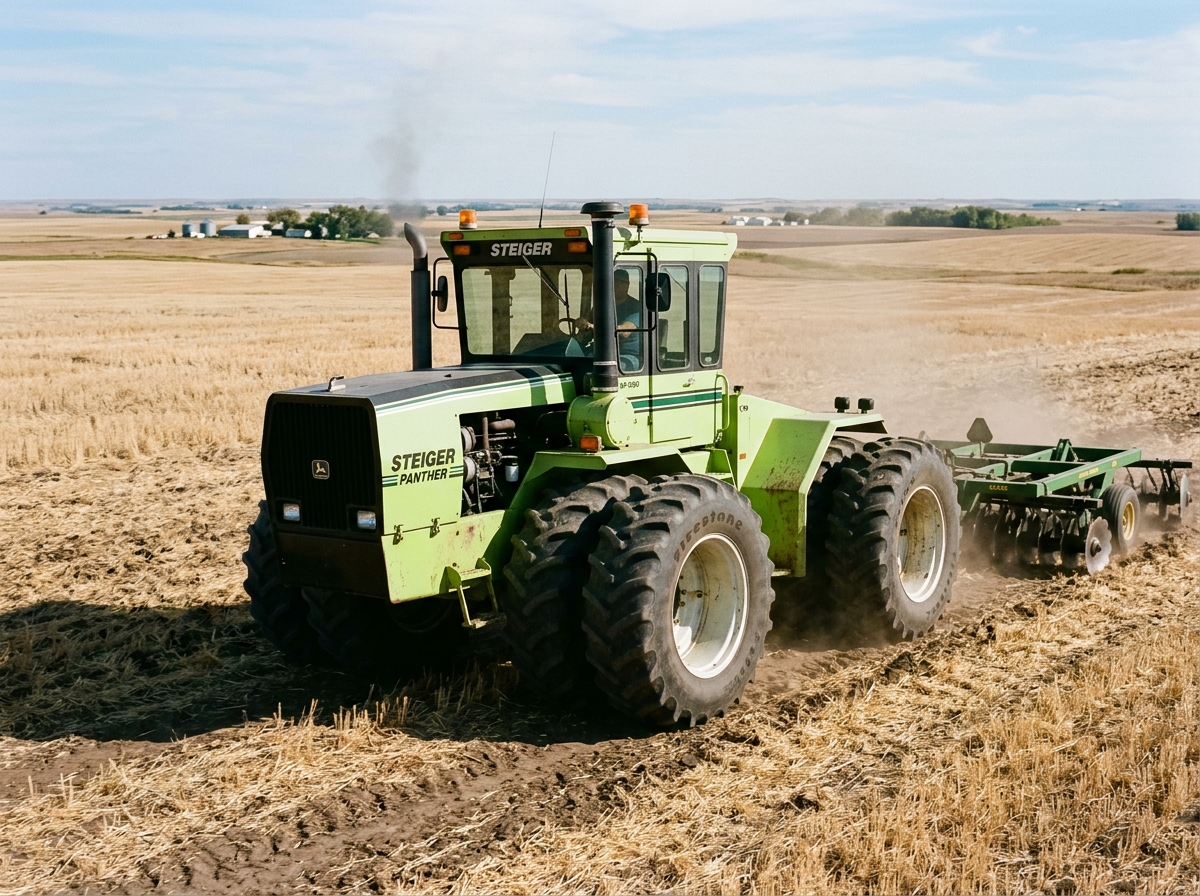
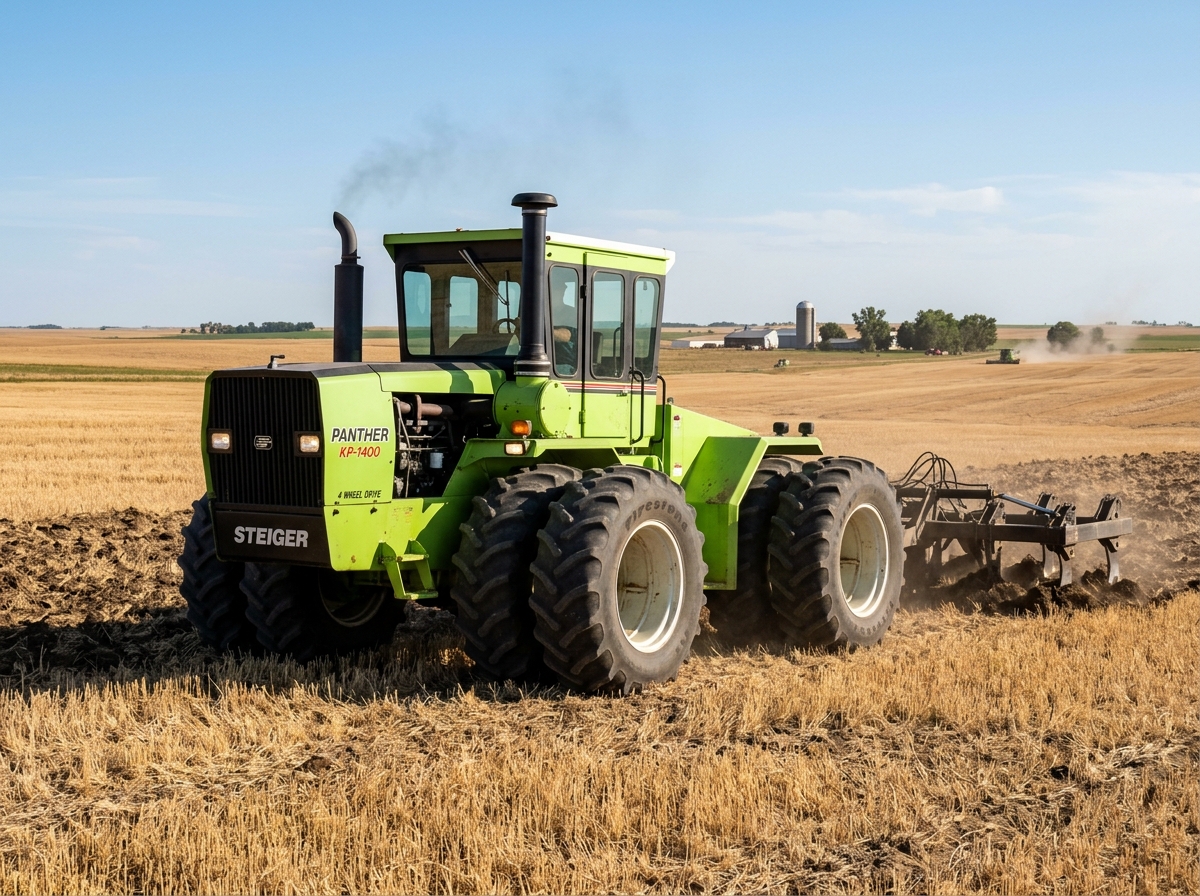
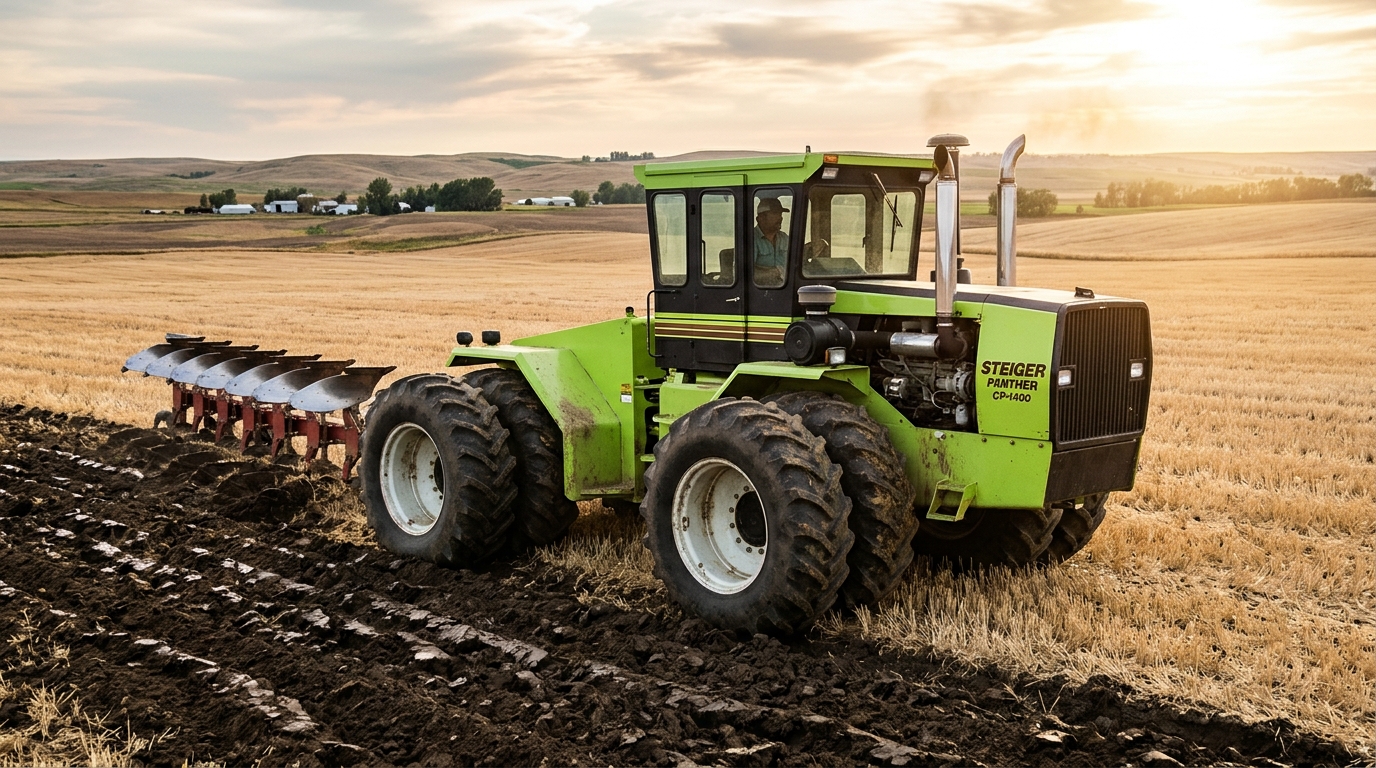
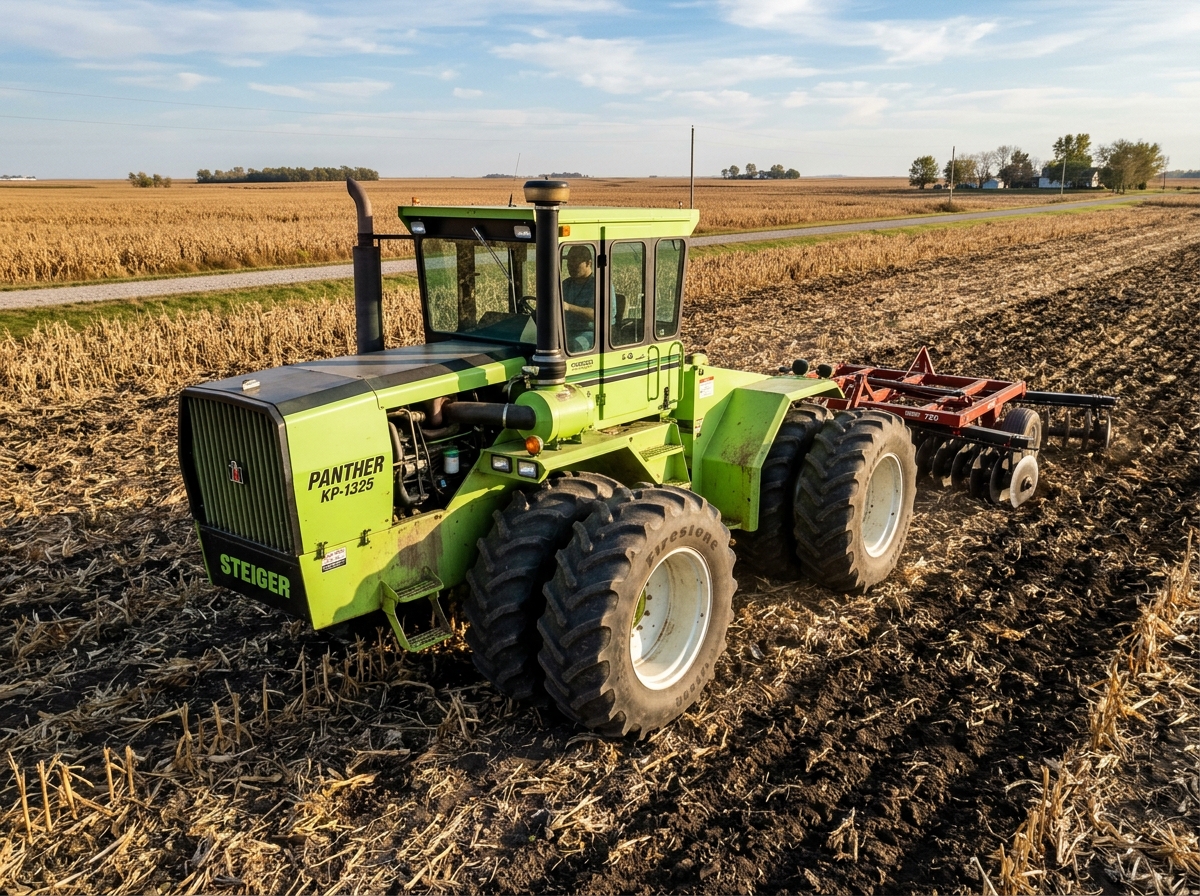
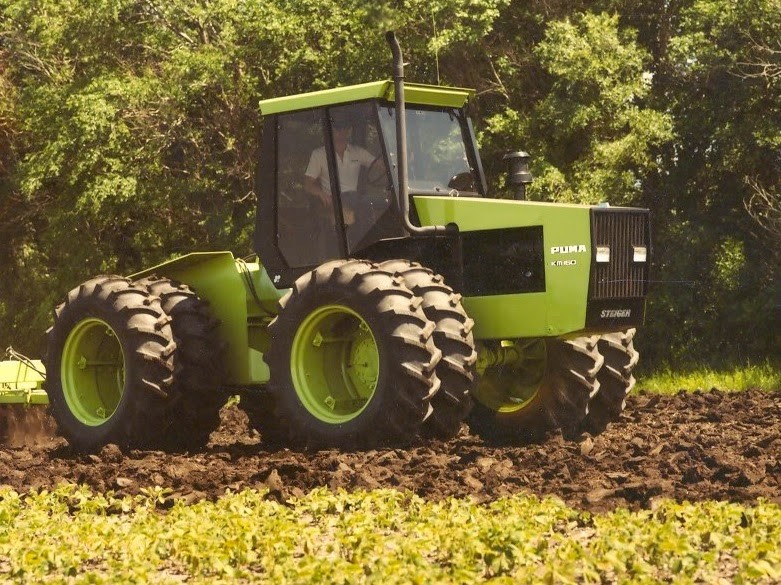
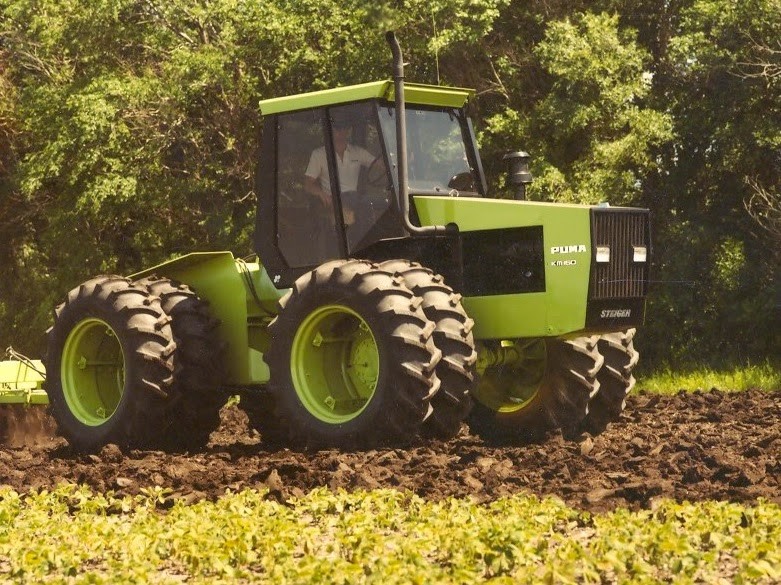
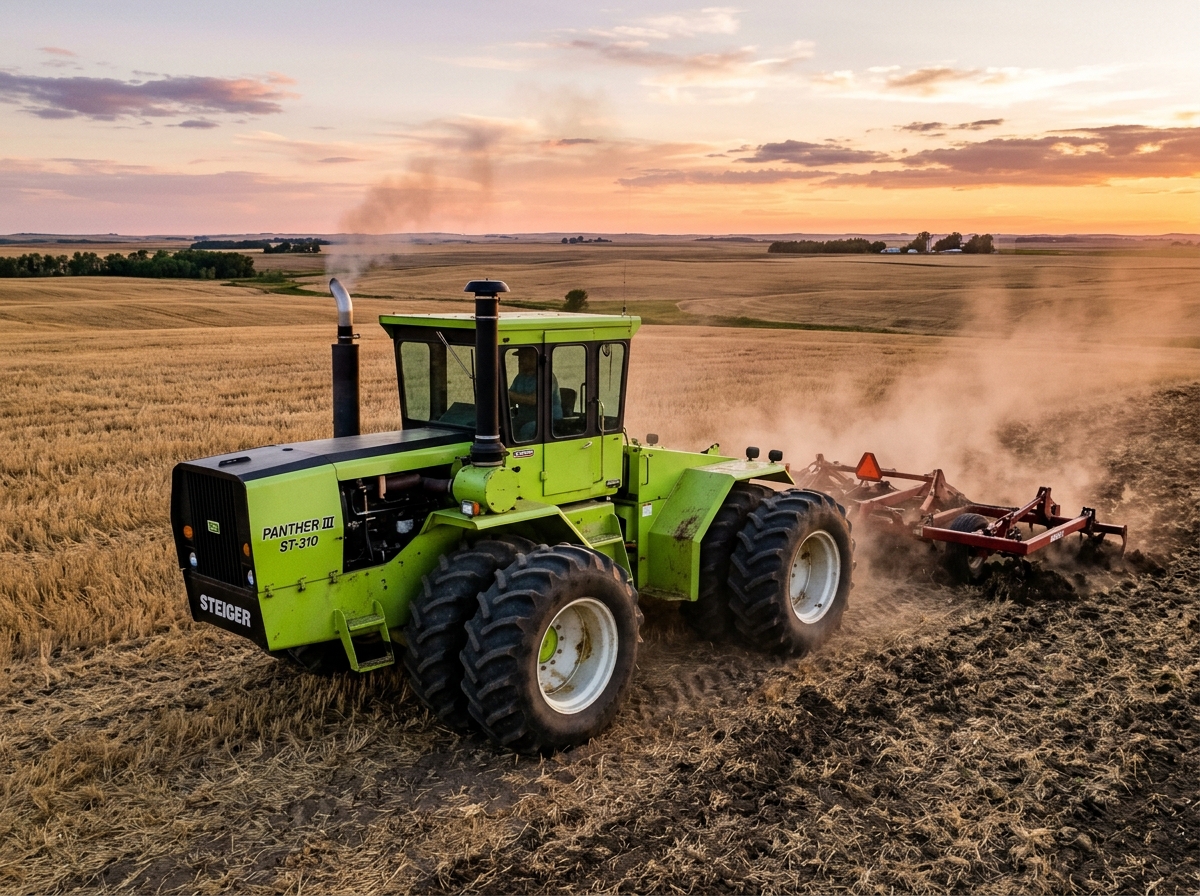
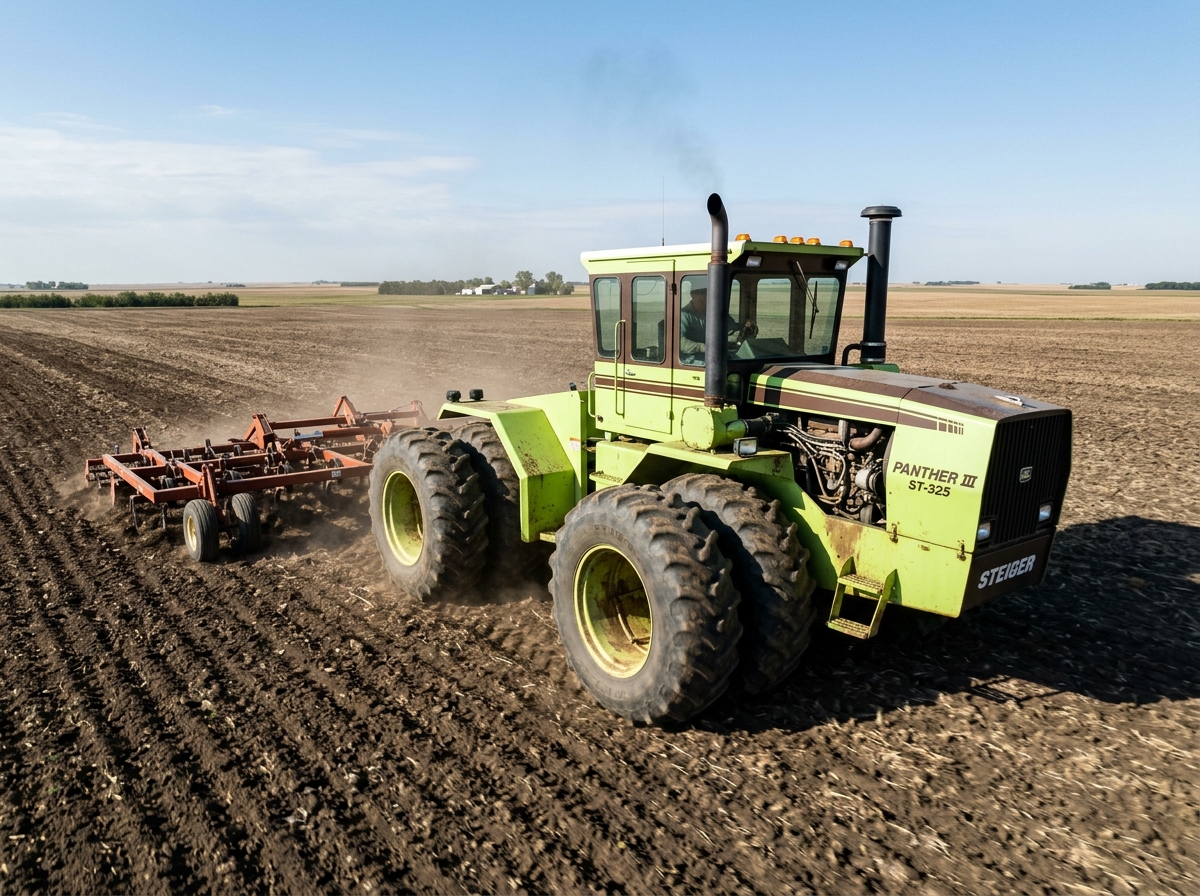
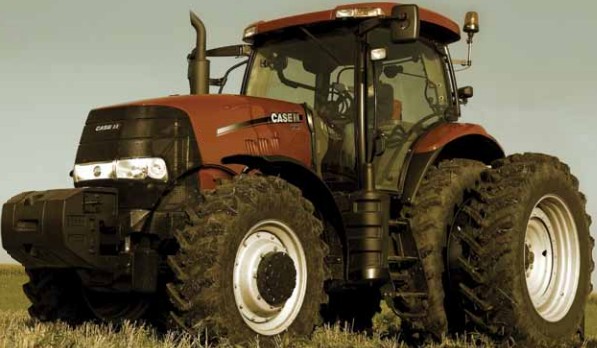
Notable models in our Steiger catalog include the Tiger KP-525, representing key milestones in Steiger's agricultural engineering history.
All About Tractors currently tracks 33 verified specification sheets and laboratory test reports for Steiger tractors.
Official test reports from the Nebraska Tractor Test Laboratory and the DLG Test Center are linked directly on each individual Steiger tractor profile.
Steiger tractors in our database range from compact utility models up to high-horsepower row-crop machines delivering up to 525 hp.
Steiger equips its tractor lineups with certified diesel engines engineered for high torque rise, fuel economy, and compliance with emissions standards.
Depending on the series and manufacturing year, Steiger models feature synchronized mechanical gearboxes, multi-speed PowerShift units, or continuous variable transmissions (CVT).
The serial number plate is typically stamped on the transmission housing, front frame casting, or right-hand engine block. Match the sequential number against our Steiger yearly serial number records.
Steiger utility models feature Category 1, 2, or 3 three-point linkages with position control and draft sensing for heavy agricultural implements.
Certified OECD dynamometer testing measures Steiger fuel consumption under varying engine loads, providing exact gallons/hour and g/kWh consumption metrics.
Each Steiger specification page links to verified OEM parts lookups, aftermarket suppliers, and operator/workshop repair manuals.
Check engine cold-starting compression, hydraulic remote pressure, 3-point rockshaft seals, transmission shift smoothness under load, and front axle kingpin play.
Yes! Use our side-by-side comparison portal to compare any Steiger model directly against tractors from John Deere, Case IH, Fendt, New Holland, or Kubota.