VOLV
Volvo BM
Volvo BM (Bolinder-Munktell / Volvo) built legendary Swedish tractors renowned for indestructible cast-iron construction and turbocharged Volvo diesel engines.
Origin: Sweden Active: 1832 - 1985 Valmet / Valtra
Volvo BM (Bolinder-Munktell / Volvo) built legendary Swedish tractors renowned for indestructible cast-iron construction and turbocharged Volvo diesel engines.
Historical milestones, founding origins, and technological breakthroughs.
The agricultural heritage of Volvo traces back to 1832 in Eskilstuna, Sweden, where Johan Theofron Munktell founded his engineering works, building Sweden's first steam traction engine in 1853. In 1913, Munktell manufactured Sweden's first combustion tractor (the 30-40 HP). In 1932, Munktells merged with the engine builder J. & C.G. Bolinder to form Bolinder-Munktell (BM).
Volvo acquired Bolinder-Munktell in 1950, forming Volvo BM. Celebrated for heavy Swedish steel casting and cold-weather starting, Volvo BM built legendary tractors including the Boxer 350 and the Bison 470. In 1970, Volvo BM launched the 810/814 series, pioneering factory turbocharged 6-cylinder diesel engines delivering over 140 HP. In 1979, Volvo BM merged its tractor division into Finnish builder Valmet (now Valtra), passing on its legendary Scandinavian tractor engineering.
Pioneered direct-injection engines engineered to fire up at -25°C without external pre-heaters.
The Volvo BM 810 proved turbocharged 6-cylinder power could handle high-speed heavy discing.
Early compliance with Swedish rollover safety decrees, introducing padded steel roll-cages.
Heavy nodular iron axle housings strong enough to mount industrial backhoes and loaders without subframes.
Johan Theofron Munktell starts engineering plant in Eskilstuna, Sweden.
Munktell constructs 30-40 HP agricultural combustion tractor on steel wheels.
Merger creates BM, uniting world-class two-stroke and diesel engine manufacturing.
Volvo acquires Bolinder-Munktell, introducing modern automotive standards to farm machinery.
Launches best-selling 56 HP tractor, cementing reputation for bulletproof Nordic durability.
Tractor division merges with Valmet, establishing the foundation of modern Valtra.
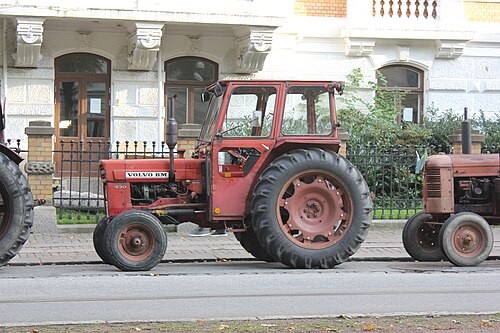
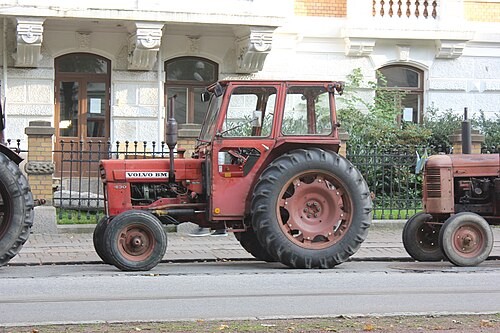
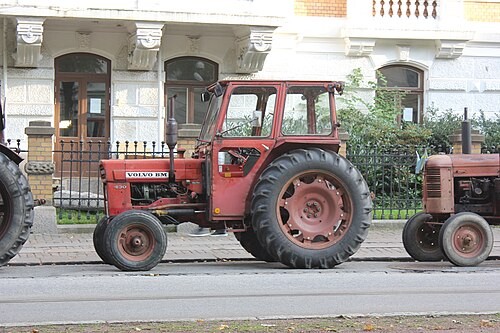
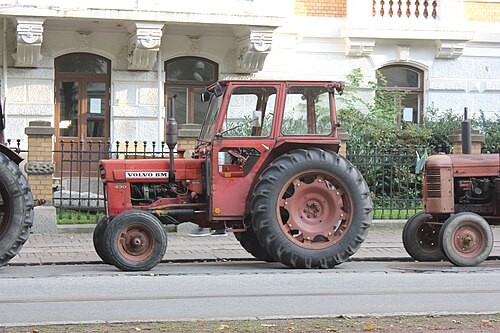
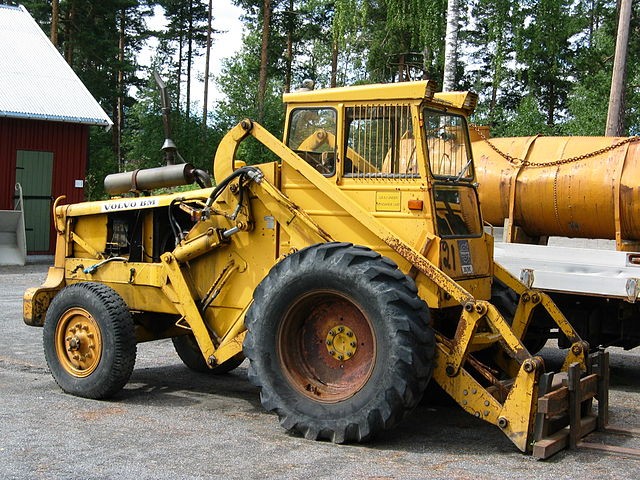
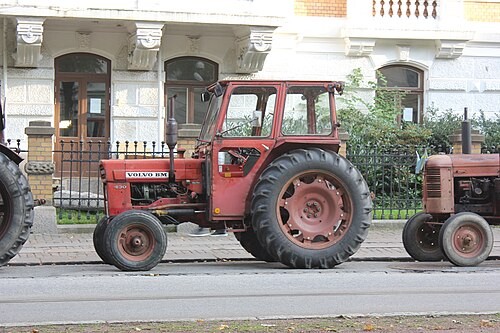
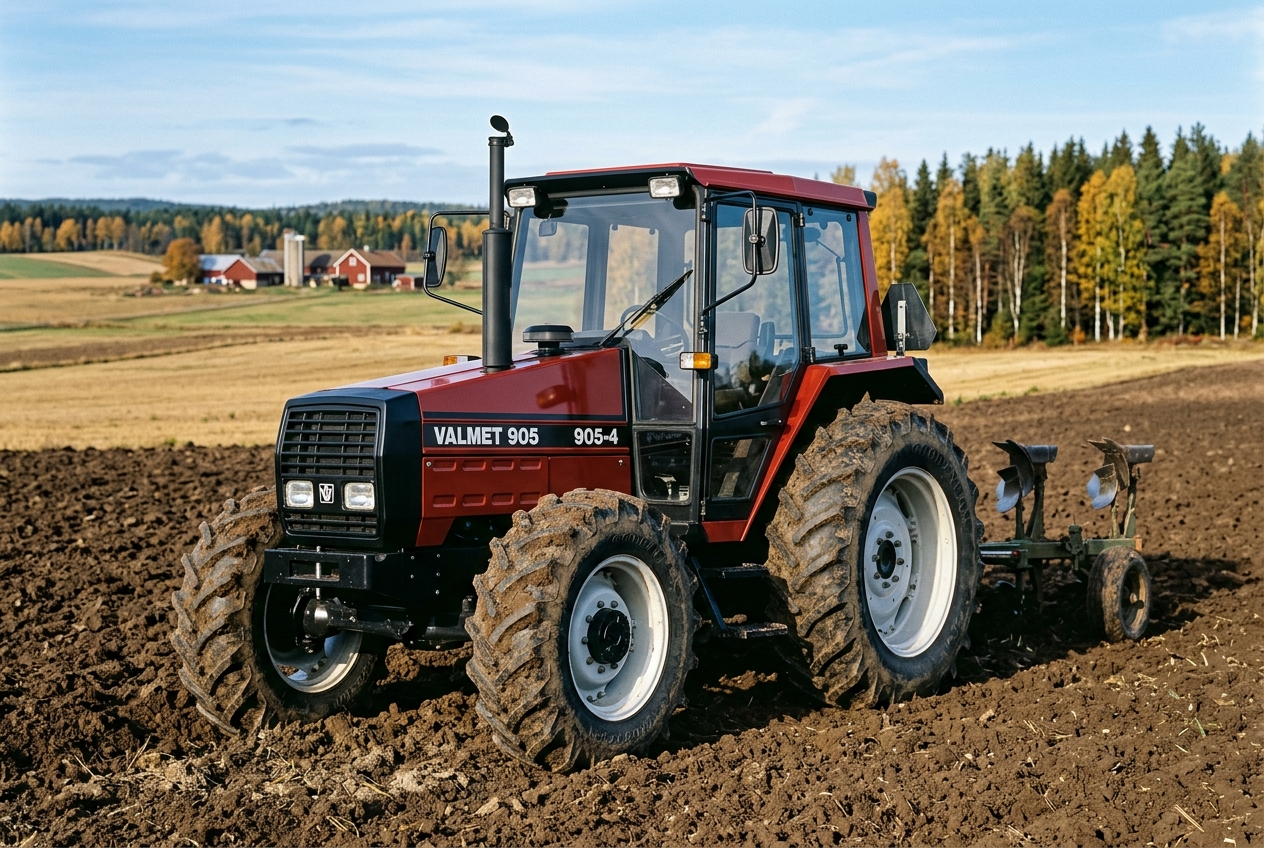
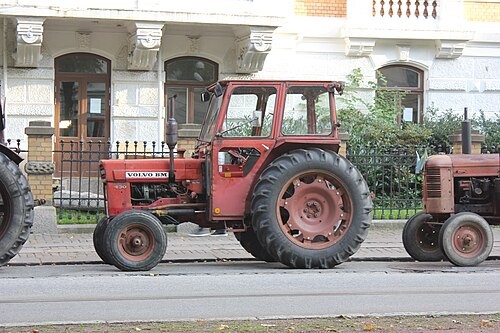
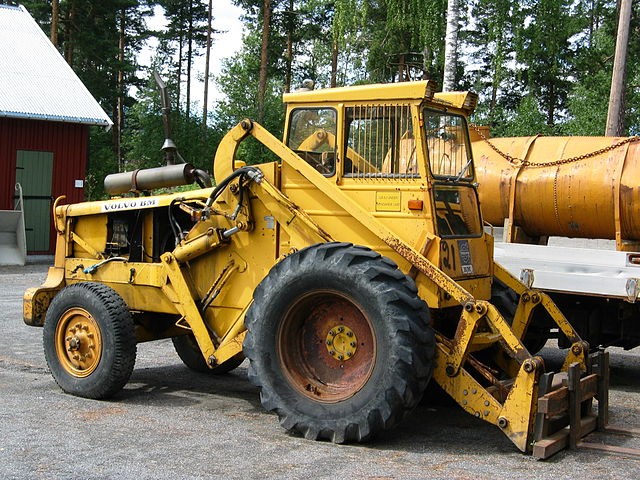
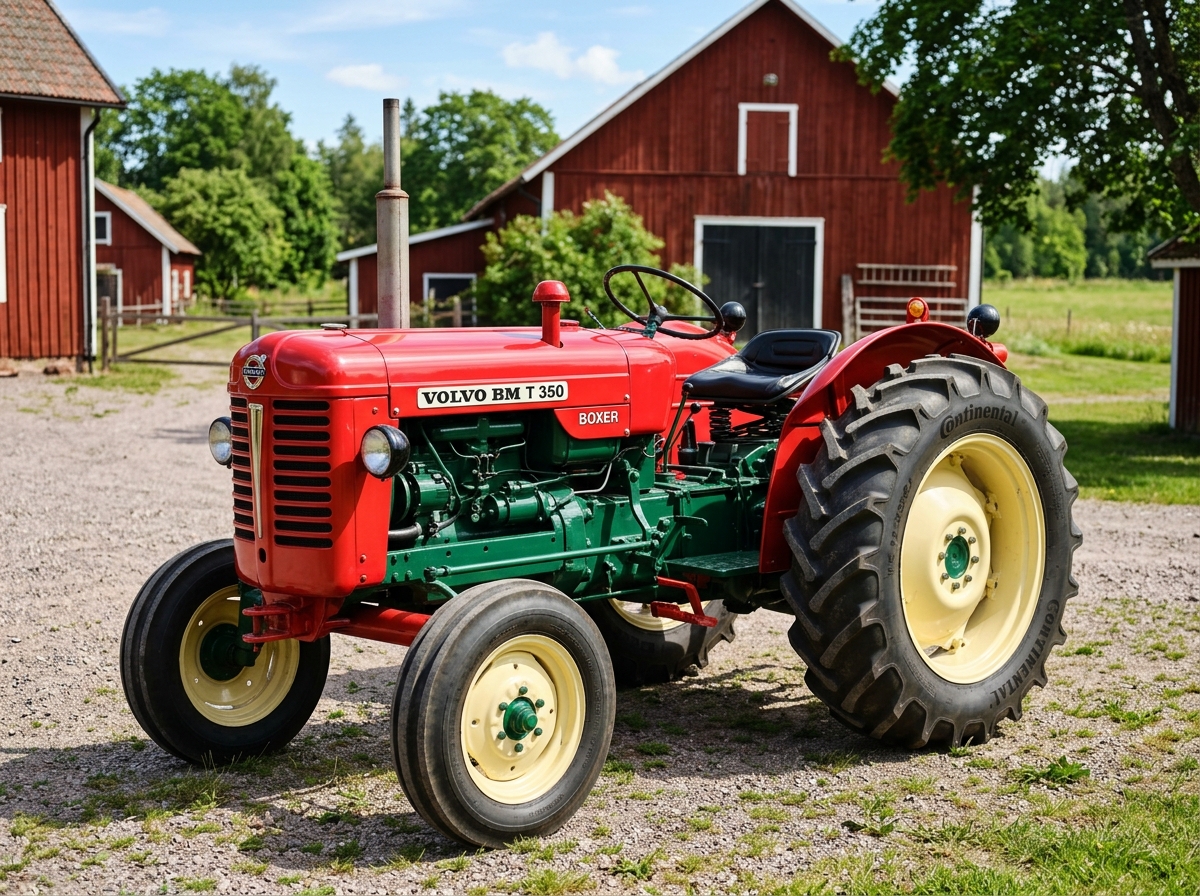

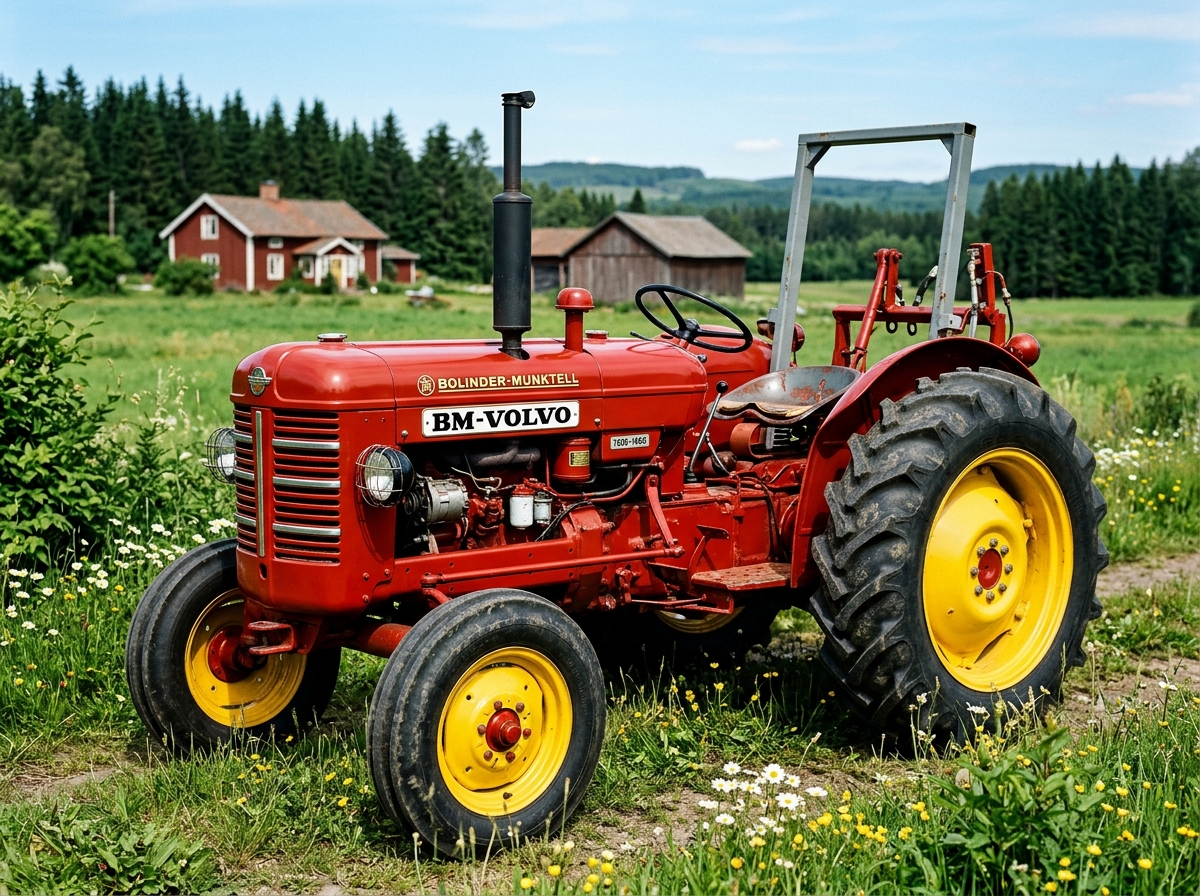
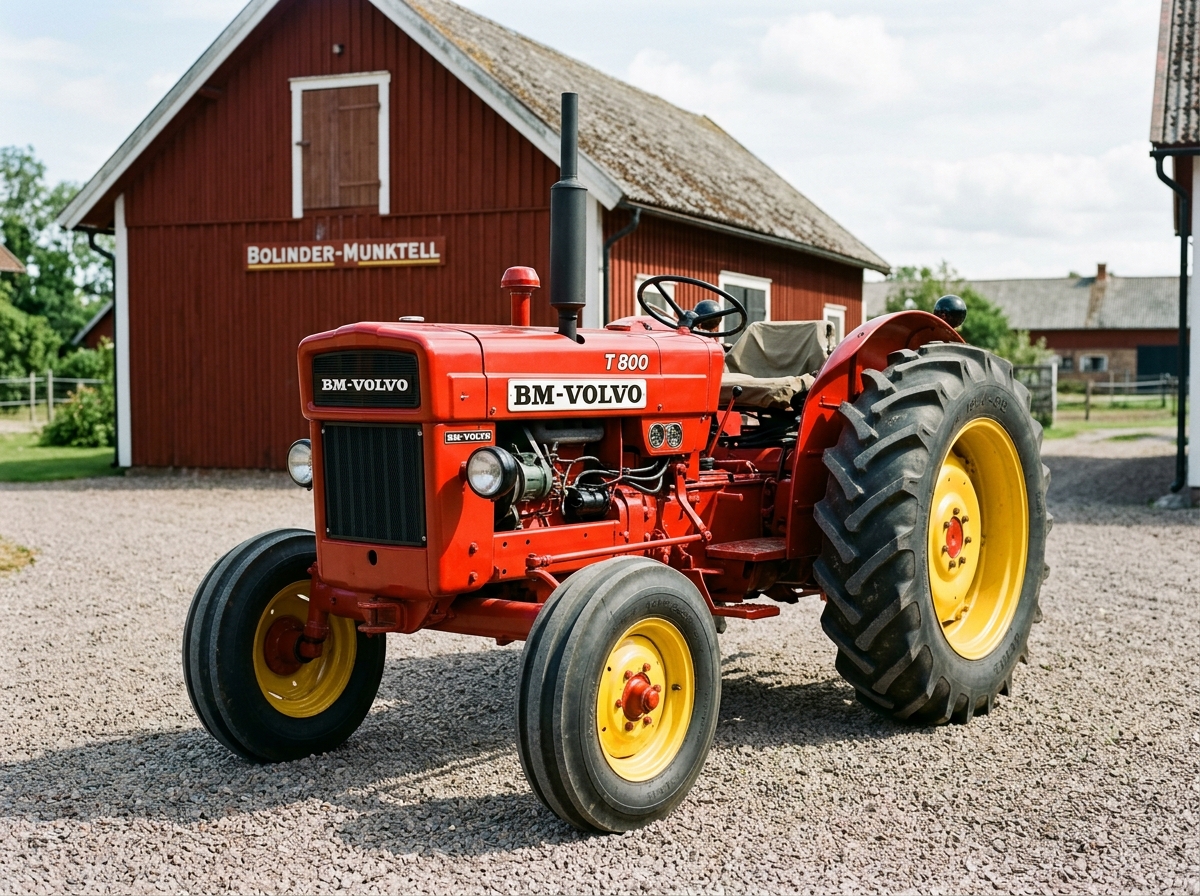
Notable models in our Volvo catalog include the BM 2654, representing key milestones in Volvo's agricultural engineering history.
All About Tractors currently tracks 13 verified specification sheets and laboratory test reports for Volvo tractors.
Official test reports from the Nebraska Tractor Test Laboratory and the DLG Test Center are linked directly on each individual Volvo tractor profile.
Volvo tractors in our database range from compact utility models up to high-horsepower row-crop machines delivering up to 160 hp.
Volvo equips its tractor lineups with certified diesel engines engineered for high torque rise, fuel economy, and compliance with emissions standards.
Depending on the series and manufacturing year, Volvo models feature synchronized mechanical gearboxes, multi-speed PowerShift units, or continuous variable transmissions (CVT).
The serial number plate is typically stamped on the transmission housing, front frame casting, or right-hand engine block. Match the sequential number against our Volvo yearly serial number records.
Volvo utility models feature Category 1, 2, or 3 three-point linkages with position control and draft sensing for heavy agricultural implements.
Certified OECD dynamometer testing measures Volvo fuel consumption under varying engine loads, providing exact gallons/hour and g/kWh consumption metrics.
Each Volvo specification page links to verified OEM parts lookups, aftermarket suppliers, and operator/workshop repair manuals.
Check engine cold-starting compression, hydraulic remote pressure, 3-point rockshaft seals, transmission shift smoothness under load, and front axle kingpin play.
Yes! Use our side-by-side comparison portal to compare any Volvo model directly against tractors from John Deere, Case IH, Fendt, New Holland, or Kubota.