The 25-Point Used Tractor Pre-Purchase Inspection Checklist (2025-2026 Guide)
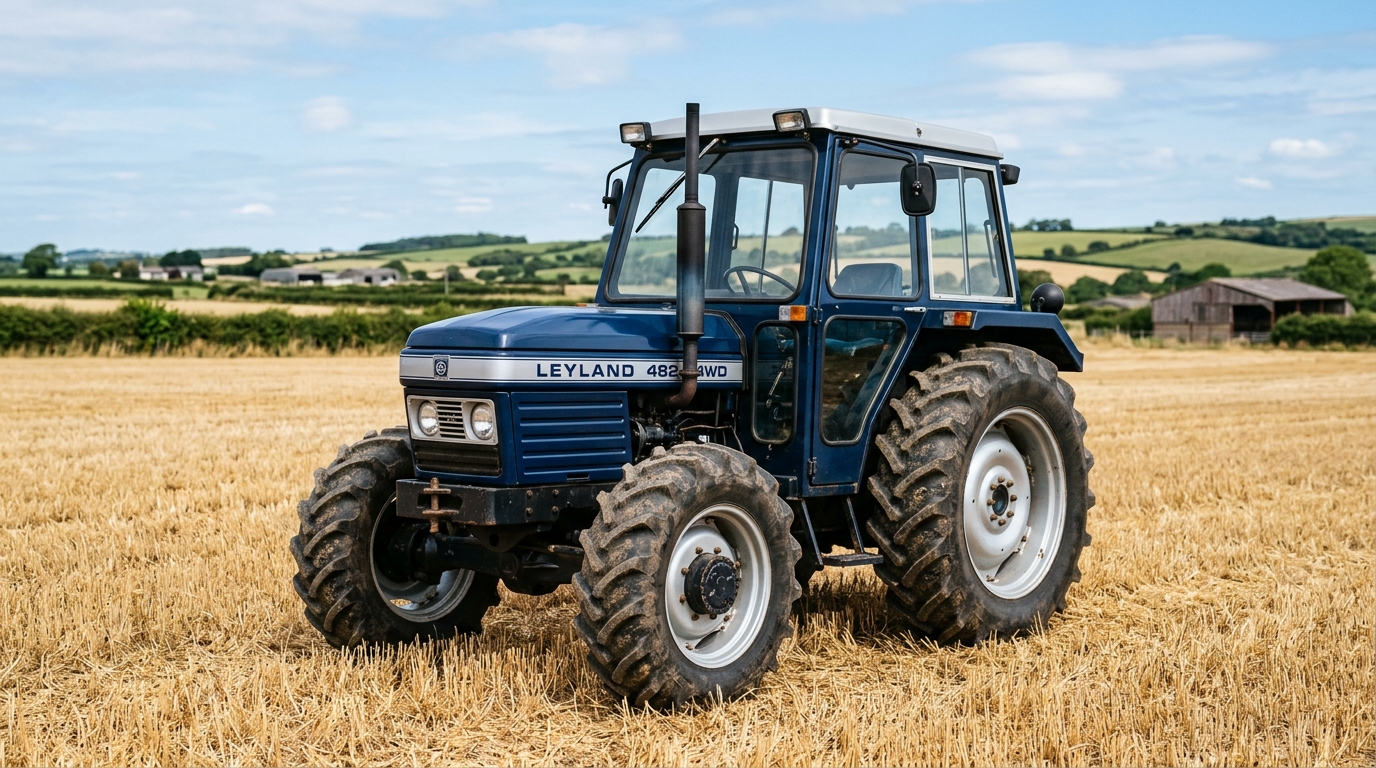
When evaluating a used tractor, perform five critical diagnostic checks before negotiating price: check for diesel engine blow-by by loosening the oil filler cap while running at operating temperature, inspect the radiator coolant for exhaust oil sheen, test hydraulic cycle speed and three-point lift drift under load, engage all transmission gears and forward-reverse shuttles under full load, and verify true chassis hours by matching pedal wear against the recorded hour meter.
table_chart Benchmark Specifications by Horsepower Tier
| Model | Engine HP | PTO HP | Hydraulic Flow | Hitch Lift | Primary Application |
|---|---|---|---|---|---|
| John Deere 4020 | 95.0 HP | 84.0 HP | 13.0 GPM | 3,990 lbs | Row-crop utility and collector classic |
| Ford 5000 | 69.0 HP | 60.0 HP | 6.0 GPM | 3,200 lbs | Pasture maintenance and chore utility |
| International 1066 | 125.0 HP | 115.0 HP | 12.0 GPM | 4,600 lbs | Heavy tillage and commercial hay |
Engine Diagnostics: Cold Starts, Exhaust Smoke, and Blow-By Tests
Hydraulic Testing: Cycle Speed, Relief Valves, and Three-Point Drift
Transmission, Clutch, and Final Drive Inspections
Equipment Buyer's Verification Checklist
Cold Engine and Fluid Checks
- check_box_outline_blank Check engine block temperature: verify manifold is stone cold before cranking.
- check_box_outline_blank Inspect engine dipstick: check for milky white emulsion (water/coolant in oil) or strong fuel odor.
- check_box_outline_blank Check radiator neck with flashlight: look for floating oil droplets or continuous bubbling while running.
- check_box_outline_blank Perform oil filler cap test: check for crankcase blow-by pressure at normal operating temperature.
Drivetrain, Steering, and Brakes
- check_box_outline_blank Test clutch engagement in high gear against locked brakes to verify disc grip.
- check_box_outline_blank Engage four-wheel drive under load and check for harsh clicking or front axle binding on hard ground.
- check_box_outline_blank Unlatch brake pedals and test individual left and right turning brakes for equal pedal travel and firm stopping power.
- check_box_outline_blank Check Power Take-Off (PTO) clutch engagement and verify the internal brake stops shaft rotation immediately when disengaged.
Documentation and Serial Numbers
- check_box_outline_blank Locate stamped chassis serial number plate and verify it matches the bill of sale and title documentation.
- check_box_outline_blank Cross-reference pedal rubber wear and tire wear against the recorded hour meter to detect rolled-back gauges.
- check_box_outline_blank Inspect all hydraulic hoses and cylinders for weeping chrome rods, scored shafts, and cracked rubber casings.
help_outline Frequently Asked Questions
How many hours is considered high for a used diesel tractor?
Modern water-cooled agricultural diesel engines typically run between 6,000 and 10,000 operating hours before requiring a major internal cylinder rebuild, provided oil and filter services were performed regularly. A tractor with 2,000 to 4,000 hours has substantial operating life remaining, while machines over 6,000 hours require close inspection of clutch discs, hydraulic pumps, and front axle pivots.
How can I tell if a tractor hour meter has been replaced or rolled back?
Compare the condition of touch points against the indicated hours. A tractor showing 800 hours should have intact pedal rubber, crisp steering wheel textures, original factory paint on the footboards, and minimal three-point ball swivel wear. If the hour meter shows 900 hours but the clutch and brake pedal rubbers are worn down to bare steel and the hitch balls are deeply grooved, the meter has likely failed, been replaced, or rolled over.
Is oil blow-by always an indicator of a ruined engine?
Minor vapor haze from an open oil filler or crankcase breather tube is normal on high-hour diesel engines. However, significant pressure that blows the filler cap off, splatters liquid oil droplets onto the hood, or pulses rhythmically with exhaust strokes indicates broken piston rings, scored cylinder walls, or heavy piston blow-by that requires an engine overhaul.
Specialist with All About Tractors, focusing on agricultural powertrain performance, implement geometry, and field test diagnostics. All specifications cross-referenced with certified manufacturer technical sheets.