Sub-Compact vs Compact vs Utility Tractor: Sizing by Frame Size, Weight, and Clearance
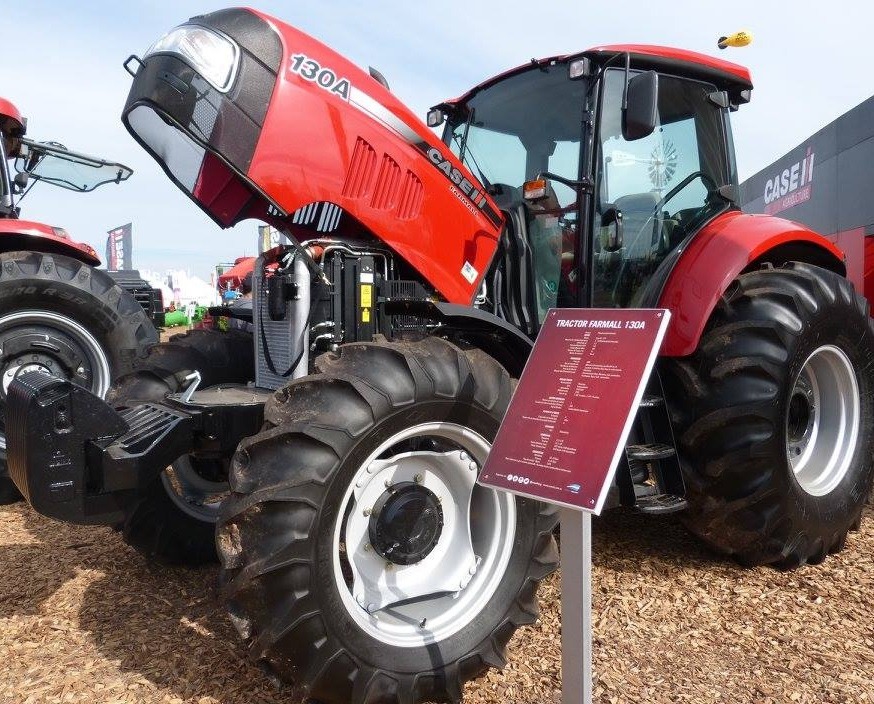
The most common mistake equipment buyers make is choosing a tractor based purely on engine horsepower. A 40-horsepower sub-compact tractor and a 40-horsepower utility tractor are completely different machines. Sub-compact tractors (under 25 HP, 1,400 to 1,800 lb) feature low ground clearance (8 inches) and are optimized for lawn mowing, garden rototilling, and light snow removal on 1 to 5 acres. Compact tractors (25 to 50 HP, 2,200 to 3,800 lb) provide 12 to 14 inches of ground clearance, standard Category 1 hitches, and handle 5 to 6 foot rotary cutters and round bale chores on 5 to 30 acres. Utility tractors (50 to 100+ HP, 5,000 to 9,000+ lb) feature heavy cast-steel frames, Category 2 hitches, 18 to 22 inches of crop clearance, and are built for heavy draft tillage, hay baling, and commercial cattle operations.
table_chart Benchmark Specifications by Horsepower Tier
| Model | Engine HP | PTO HP | Hydraulic Flow | Hitch Lift | Primary Application |
|---|---|---|---|---|---|
| Kubota BX23S (Sub-Compact Class) | 21.6 hp (1,570 lb bare weight) | Ground clearance: 8.4 inches (213 mm) | Hitch: Limited Category 1 (680 lb lift) | Wheelbase: 55.1 inches (140 cm) | Residential lawn mowing, tight landscaping, and backyard trenching on 1 to 5 acres |
| Kubota L3902 (Compact Utility Class) | 37.5 hp (2,778 lb bare weight) | Ground clearance: 13.4 inches (340 mm) | Hitch: Standard Category 1 (1,985 lb lift) | Wheelbase: 63.3 inches (161 cm) | Rotary cutting, box blading, gravel road care, and hunting food plots on 5 to 25 acres |
| Case IH Farmall 75A (Full Utility Class) | 70.0 hp (7,350 lb bare weight) | Ground clearance: 18.5 inches (470 mm) | Hitch: Heavy Category 2 (3,307 lb lift) | Wheelbase: 83.5 inches (212 cm) | Round hay baling, heavy discing, cattle feeding, and roadside right-of-way mowing |
1. The Horsepower Myth: Why Weight and Frame Matter More
2. Sub-Compact Tractors: Residential Precision on 1 to 5 Acres
3. Compact Utility Tractors: The Homestead Sweet Spot on 5 to 30 Acres
4. Agricultural Utility Tractors: Heavy Draft Power on 30 to 100+ Acres
5. Three-Point Hitch Classes, Tire Options, and Hydraulics
6. The Selection Verdict: Matching Class to Property
Equipment Buyer's Verification Checklist
Tractor Class Evaluation Checklist
- check_box_outline_blank Measure storage door clearance: verify ROPS height fits under garage or barn headers (typically 78 to 92 inches)
- check_box_outline_blank Check gate and trail widths: verify tractor tire width fits through property fences (48 inches for sub-compact vs 72+ inches for utility)
- check_box_outline_blank Assess ground clearance needs: verify underbelly clearance clears stumps and rocks on wooded trails
- check_box_outline_blank Calculate heaviest implement requirement: verify three-point hitch category matches existing or planned equipment
- check_box_outline_blank Confirm trailer towing capacity: verify your truck and trailer can legally transport total machine weight with loader and ballast
help_outline Frequently Asked Questions
Can a sub-compact tractor run full-size Category 1 implements?
Not always. Sub-compact tractors have Limited Category 1 hitches. While pin diameters are standard (7/8-inch lower pins), the lift arms are shorter and do not raise as high as standard Category 1 hitches. Full-size implements may drag on the ground when fully raised or hit the rear tires.
Why is a utility tractor better for hay baling than a compact tractor?
A round baler creates massive mechanical thrust strokes that rock a tractor forward and backward, and rolling heavy round bales up hills requires substantial tractor chassis weight to maintain steering traction. A 6,000-pound utility tractor controls the baler safely, whereas a 3,000-pound compact tractor can be pushed out of control on slopes.
What is the difference between R1, R4, and Turf tires?
R1 agricultural tires have deep, angled directional lugs designed for maximum pull in mud and farm fields. R4 industrial tires have flatter, wider, thick-rubber bars designed for loader work on hard surfaces without puncturing. Turf tires have fine diamond tread designed to disperse weight and avoid tearing residential lawn grass.
Can I mow my lawn with a compact utility tractor?
You can, but compact tractors weigh 2,500 to 4,000 pounds. In wet spring soil, a compact tractor will leave visible soil compaction marks and rutted tire paths on residential turf grass. Sub-compact tractors under 1,800 pounds are vastly superior for finish lawn mowing.
Specialist with All About Tractors, focusing on agricultural powertrain performance, implement geometry, and field test diagnostics. All specifications cross-referenced with certified manufacturer technical sheets.