Used Tractor Auction Buying Guide: How to Inspect Machinery & Bid Without Getting Burned
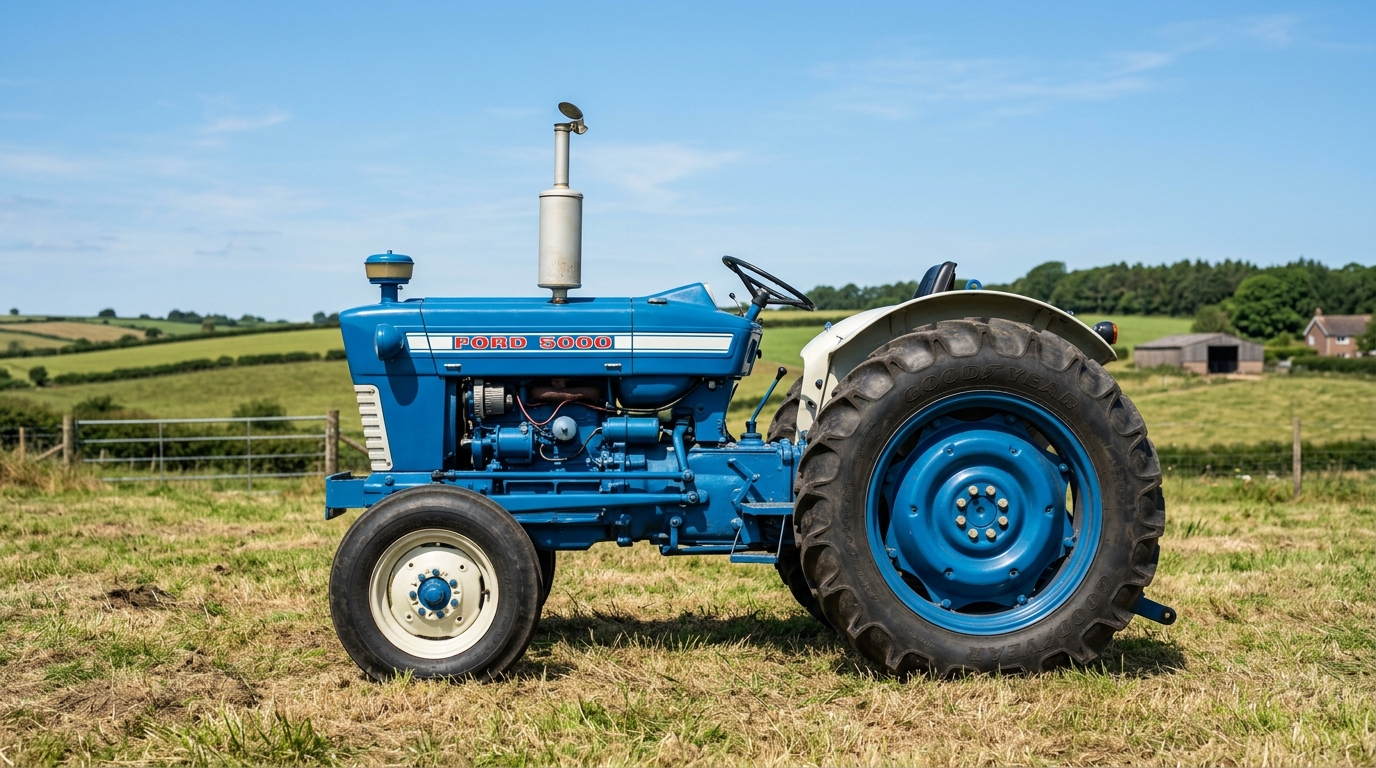
Buying a used tractor at an equipment auction offers the opportunity to purchase machinery at 20% to 40% below dealership retail prices, but it comes with immense financial risk: all auction sales are strictly as-is, where-is with zero warranties or return rights. To succeed at farm auctions, always attend preview day 24 hours prior to bidding. Perform a cold engine manifold check, test transmission fluid for burnt smell or water contamination, inspect the three-point hitch and drawbar for heavy wear, and inspect undercarriage castings for welded cracks. Calculate your maximum bid in advance, factoring in a 10% to 15% buyer premium, local sales tax, and $3 to $5 per mile heavy equipment transport trucking costs.
table_chart Benchmark Specifications by Horsepower Tier
| Model | Engine HP | PTO HP | Hydraulic Flow | Hitch Lift | Primary Application |
|---|---|---|---|---|---|
| John Deere 4020 (Top Auction Volume Model) | 95 hp (Auction price range: $8,500 to $22,000) | Common auction defects: Syncro-Range shift linkage wear, hydraulic pump leak | Key check: PowerShift clutch pressure at 1,500 RPM | 3-pt lift: 3,950 lb at pins | Row-crop collectible farming, chore tractor utility, and high liquidity resale value |
| Ford 5000 (Budget Auction Workhorse) | 70 hp (Auction price range: $4,500 to $9,500) | Common auction defects: Dual-power slipping, cracked steering box casting | Key check: Engine block cavitation pinholes and water in crankcase oil | 3-pt lift: 3,800 lb | Economical pasture clipping, round bale moving, and reliable mechanical simplicity |
| International Harvester 1066 (High-Horsepower Auction Value) | 125 hp (Auction price range: $7,000 to $16,000) | Common auction defects: Torque Amplifier (TA) slipping on low side | Key check: DT-414 turbocharger shaft end-play and manifold oil spray | 3-pt lift: 5,800 lb | Heavy primary tillage, disc ripping, and maximum horsepower per auction dollar |
1. The Auction Reality: As-Is, Where-Is With Zero Recourse
2. The 15-Minute Preview Day Mechanical Inspection
3. Spotting Cosmetic Cover-Ups and Rattle-Can Paint
4. Field Testing Drivetrains: Torque Amplifiers, PowerShifts, and Clutches
5. Calculating the Real Out-of-Pocket Auction Cost
6. Psychological Bidding Rules to Avoid Overpaying
Equipment Buyer's Verification Checklist
Tractor Auction Preview Day Inspection Checklist
- check_box_outline_blank Touch engine manifold before starting to verify a completely cold engine start
- check_box_outline_blank Inspect oil filler cap and crankcase breather for active pulsing white smoke and oil blow-by
- check_box_outline_blank Tap rear tire wheel rims with a metal wrench to check for internal calcium chloride rim rot
- check_box_outline_blank Check transmission dipstick for milky water emulsion, burnt friction smell, or brass metal shavings
- check_box_outline_blank Inspect front axle pivot pin and center trunnion casting for welded break repairs and excessive play
help_outline Frequently Asked Questions
Can I return a tractor purchased at an equipment auction if it has a blown engine?
No. Auction sales are strictly as-is, where-is with zero guarantees or return rights. Once the auctioneer declares the lot sold, legal ownership transfers to you, regardless of any hidden mechanical damage discovered afterward.
What is an auction buyer premium and how much does it cost?
A buyer premium is an administrative fee charged by the auction company on top of the winning bid. Online platforms typically charge between 10% and 15% on equipment purchases, meaning a $10,000 winning bid will incur an extra $1,000 to $1,500 fee.
How can I tell if an auction tractor engine was warmed up before I arrived?
Touch the exhaust manifold or cylinder block before the engine is started in your presence. If the metal feels warm to the touch on a cold morning, the seller has started the machine earlier, which may conceal hard-starting issues, dead batteries, or cold-start smoke.
How much does it cost to transport an auction tractor home?
Commercial heavy equipment transport typically costs between $3.50 and $5.50 per loaded mile for a flatbed or lowboy semi-truck, with a minimum local transport charge of $300 to $500. Wide agricultural tires or duals may require oversize load permits, increasing freight costs.
Specialist with All About Tractors, focusing on agricultural powertrain performance, implement geometry, and field test diagnostics. All specifications cross-referenced with certified manufacturer technical sheets.