What Size Tractor Do You Need for 5, 10, 20, or 50 Acres? (2025-2026 Practical Guide)
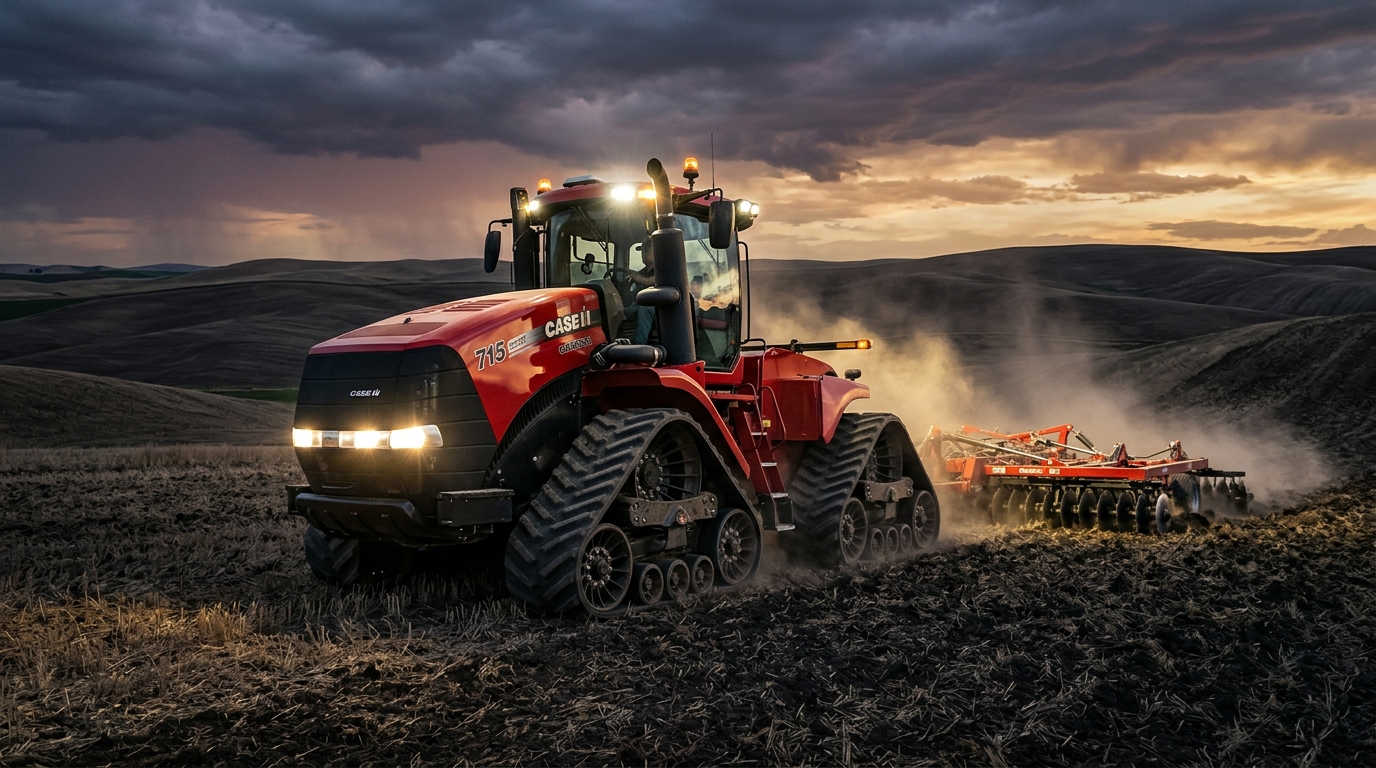
For 1 to 5 acres, a 20 to 25 horsepower sub-compact tractor handles mowing, light garden tilling, and snow removal. For 5 to 15 acres, a 25 to 35 horsepower compact tractor is ideal for brush hogging with a 5-foot rotary cutter and gravel driveway grading. For 15 to 40 acres, select a 35 to 50 horsepower tractor with Category 1 hitch to pull a 6-foot cutter, move round hay bales, and manage timber. For 40 to 100 or more acres, a 50 to 75+ horsepower utility tractor is necessary for production agriculture, square baling, and heavy loader work.
table_chart Benchmark Specifications by Horsepower Tier
| Model | Engine HP | PTO HP | Hydraulic Flow | Hitch Lift | Primary Application |
|---|---|---|---|---|---|
| Kubota BX23S | 21.6 HP | 17.7 HP | 6.2 GPM | 680 lbs | 1 to 5 Acres (Mowing and landscaping) |
| John Deere 1025R | 23.9 HP | 17.2 HP | 6.3 GPM | 758 lbs | 1 to 5 Acres (Lawn care and light chores) |
| Kubota L3902 | 37.5 HP | 30.5 HP | 9.4 GPM | 1,985 lbs | 5 to 20 Acres (Bush hogging and grading) |
| John Deere 3038E | 36.7 HP | 30.0 HP | 9.3 GPM | 1,356 lbs | 5 to 20 Acres (Property maintenance and loader work) |
| Massey Ferguson 2850E | 48.8 HP | 41.4 HP | 12.4 GPM | 3,483 lbs | 20 to 50 Acres (Round bales and heavy pasture management) |
| Case IH Farmall 75A | 74.0 HP | 65.0 HP | 16.9 GPM | 3,747 lbs | 50+ Acres (Commercial utility and hay production) |
The Most Common Sizing Mistake: Engine Power vs. Tractor Weight
Acreage Sizing Breakdown: Matching Land Area to Machine Class
The Golden Rule of Implement Sizing: PTO Horsepower
Front End Loader Sizing and Hydraulic Flow Rates
Hydrostatic (HST) vs. Gear vs. PowerShift Transmissions
Equipment Buyer's Verification Checklist
Property and Task Verification
- check_box_outline_blank Walk property borders and measure narrowest gates, barn doors, and tree clearances to determine maximum permissible tractor width and ROPS height.
- check_box_outline_blank Identify your heaviest anticipated load: moving gravel, 1,000-pound round bales, pallets of seed, or clearing fallen oak logs.
- check_box_outline_blank Check soil type: sandy loam requires less drawbar pull, while dense wet clay demands four-wheel drive and loaded rear tires for traction.
- check_box_outline_blank Calculate winter needs: snow clearing on driveways longer than 300 feet requires either four-wheel drive with a rear blade or a two-stage front snowblower.
Mechanical and Implement Matching
- check_box_outline_blank Confirm implement PTO horsepower requirements against certified PTO output, not gross engine power.
- check_box_outline_blank Ensure rear three-point hitch category matches your implements (Category 1 uses 7/8 inch lower pins; Category 2 uses 1-1/8 inch lower pins).
- check_box_outline_blank Check whether the front end loader uses a standard Skid Steer Quick Attach (SSQA) coupler for easy implement swaps with pallet forks and grapples.
- check_box_outline_blank Inspect rear ballast plans: loader work requires liquid-filled tires (calcium or beet juice) or a 600 to 1,000-pound three-point ballast box for rollover stability.
help_outline Frequently Asked Questions
Can a 25 horsepower tractor run a 5-foot brush hog?
Yes, provided the tractor produces at least 19 to 20 certified PTO horsepower and you cut moderate grass or light brush at a conservative travel speed. In heavy brush or dense saplings, a 25 horsepower machine will experience engine bogging, requiring a 4-foot cutter instead.
Why do so many compact tractors produce exactly 24.8 horsepower?
United States EPA emissions regulations mandate expensive Tier 4 Final exhaust aftertreatment systems (such as Diesel Particulate Filters or DEF injection) on diesel engines rated at 25.0 horsepower and higher. Manufacturers tune compact engines to 24.8 or 24.9 horsepower to deliver capable utility without adding emissions hardware or extra maintenance costs.
Is four-wheel drive (4WD) necessary on a compact tractor?
Four-wheel drive is considered mandatory for modern compact tractors equipped with front end loaders. When a front bucket is loaded with gravel or dirt, vehicle weight transfers forward off the rear axle, causing two-wheel drive tractors to lose rear wheel traction immediately. Four-wheel drive also provides essential downhill engine braking on slopes.
What is the difference between Category 1 and Category 2 three-point hitches?
Category 1 hitches are designed for tractors producing up to 45 or 50 horsepower, using 7/8-inch lower lift pins and a 3/4-inch top link pin with a 26-inch lower arm spread. Category 2 hitches are engineered for 40 to 100+ horsepower tractors, utilizing heavier 1-1/8-inch lower pins and 1-inch top pins with a 32-inch arm spread to handle significantly higher implement weights.
Specialist with All About Tractors, focusing on agricultural powertrain performance, implement geometry, and field test diagnostics. All specifications cross-referenced with certified manufacturer technical sheets.