settings 2WD / 4WD verified Nebraska Tested #2664 bolt Agricultural Tractor
zoom_in Click to Zoom
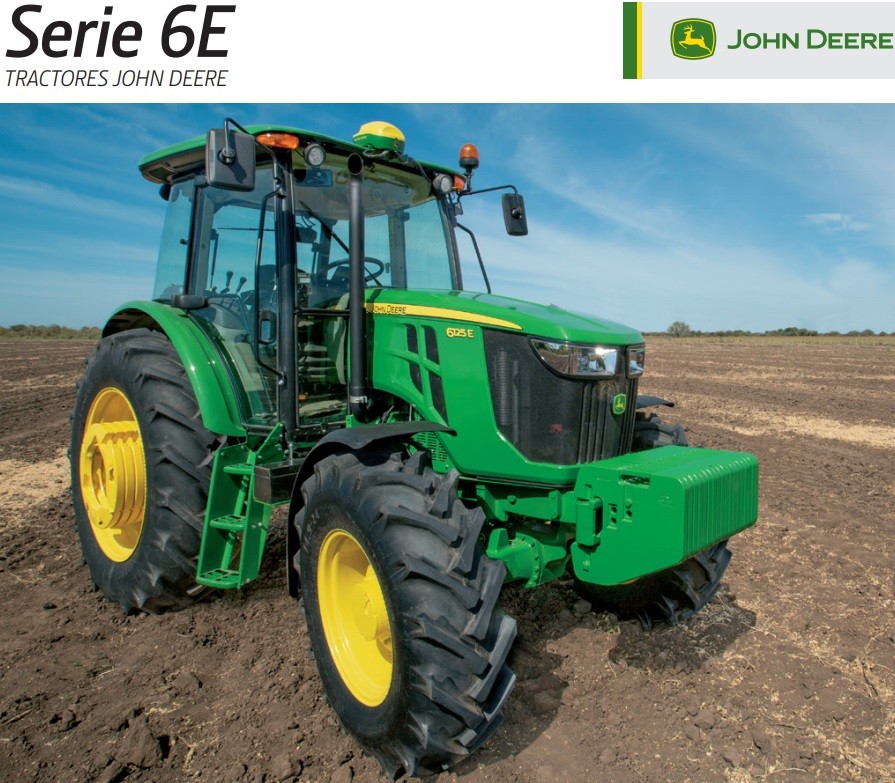
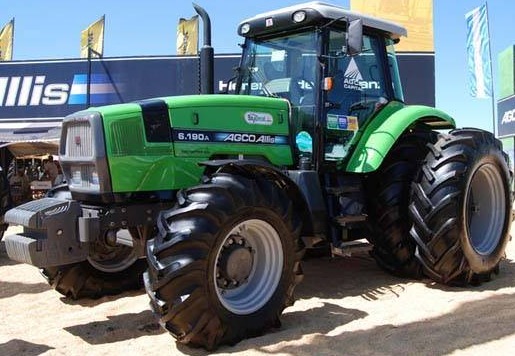
John Deere 2155 tractor photograph (Creative Commons)

John Deere 2155

Engine PowerStandard Agricultural Output
Drive Type2WD / 4WD
WeightStandard Operating Mass

Description

The John Deere 2155 is an agricultural tractor certified under Official Test Report #2664. It is powered by a Standard Agricultural Output John Deere Diesel engine with 179 cu in (2940 ntl displacement paired with a Synchronized Mechanical Transmission.
settings_input_component

Implement Compatibility & Attachments

Compatibility depends on the engine output (Standard Agricultural Output) and structural class of the tractor. Based on these specifications, the John Deere 2155 is optimally matched with:

rotate_right

Rotavators (Rotary Tillers)

Recommended Size: Standard Duty Rotavator (1.5m)

View Compatible Rotavators
agriculture

Matching Draft Attachments

  • Plough: 2 Bottom MB Plough
  • Harrow: 16 Disc Harrow
  • Hitch Class: Category 2
manufacturing

Engine Specifications

SpecificationValue
ManufacturerJohn Deere Diesel
Cylinders3
Displacement179 cu in (2940 ntl
Rated powerStandard Agricultural Output
Rated RPM2200 RPM
settings

Transmission and PTO

SpecificationValue
TypeSynchronized Mechanical Transmission
straighten

Dimensions and Tires

SpecificationValue
WeightStandard Operating Mass
water_drop

Fluid Capacities & Maintenance Specifications

Service Item / Fluid SystemRecommended Specification & Capacity
Engine Oil Capacity 11.4 L (3.0 US gal)
Recommended Engine Oil Grade 15W-40 Heavy Duty Diesel (API CK-4 / CJ-4 specification)
Fuel Tank Capacity 150 L (39.6 US gal)
Cooling System Capacity 18.9 L (5.0 US gal) (50/50 Heavy Duty OAT Ethylene Glycol)
Transmission & Hydraulic Fluid 55 L (14.5 US gal) — John Deere Hy-Gard (J20C / Low Viscosity J20D)
Engine Oil & Filter Service Interval Every 250 – 500 operating hours (annual minimum)
Hydraulic & Transmission Filter Interval Every 500 – 1,000 operating hours
schedule

Recommended Maintenance Schedule & Service Checklist

Regular preventive maintenance ensures peak engine efficiency, prevents hydraulic valve cavitation, and maximizes the service life of the John Deere 2155.

Interval Service System / Component Required Action & OEM Specification
Daily / 10h Engine & Cooling Check Inspect engine oil dipstick level; inspect coolant recovery reservoir; clean radiator debris screen and air intake pre-cleaner.
50 Hours Break-In & Chassis Lubrication Grease all 3-point hitch lift linkage, steering cylinder ball joints, and MFWD kingpin grease zerks using NLGI #2 Lithium EP grease. Re-torque wheel lug bolts.
250 Hours Engine Oil & Filter Service Drain and replace engine crankcase oil (11.4 L (3.0 US gal)) using API CK-4 15W-40 heavy-duty diesel oil. Spin on new OEM full-flow engine oil filter. Inspect fan drive belt tension.
500 Hours Fuel Delivery & Filtration Replace primary fuel filter/water separator element and secondary spin-on fuel filter. Drain water trap bowl. Inspect primary engine air cleaner filter element.
500 Hours Front Axle & Hubs (MFWD / 4WD) Check oil level in front axle differential housing and both planetary final drive wheel hubs. Top off with 80W-90 GL-5 gear lubricant if required.
1,000 Hours Hydraulic & Transmission Filtration Replace main transmission hydraulic pressure and return oil filters. Inspect hydraulic remote couplers (SCVs) for seal leakage. Inspect cabin fresh air and recirculation filters.
1,000 Hours Engine Valve Lash & Belts Check and adjust intake/exhaust valve rocker clearance to factory specification. Inspect serpentine drive belt and automatic tensioner pulley bearing.
2,000 Hours Hydraulic Reservoir Drain & Refill Complete drain and refill of transmission, differential, and hydraulic reservoir (55 L (14.5 US gal)) with fresh John Deere Hy-Gard (J20C / Low Viscosity J20D). Clean suction screen magnet.
2,000 Hours Cooling System Flush & Refill Drain, chemical flush, and refill closed cooling system (18.9 L (5.0 US gal)) with 50/50 prediluted Organic Acid Technology (OAT) long-life heavy-duty ethylene glycol coolant.
tire_repair

Operating Tire Pressures & Ballast Guidelines

Proper tire inflation and static weight distribution are critical for the John Deere 2155 to convert engine flywheel horsepower into effective drawbar pull while eliminating power hop and limiting soil compaction.

agriculture
Heavy Draft & Tillage Plowing, Deep Ripping, Discing
12 – 16 PSI (0.8 – 1.1 bar)

Maximizes tire lug ground contact patch, flexes radial sidewalls, and targets an optimal 8% to 12% wheel slip for lowest fuel burn per acre.

grain
Secondary Tillage & Seeding Drilling, Cultivating, Spraying
16 – 20 PSI (1.1 – 1.4 bar)

Provides firm row tracking, reduces steering wander, and balances flotation over seedbeds with minimal rolling drag.

local_shipping
Road Transport & Hauling Trailer Haulage, Road Travel
22 – 28 PSI (1.5 – 1.9 bar)

Reduces pavement rolling resistance, prevents tire shoulder overheating at transport speeds (25–31 mph / 40–50 km/h), and extends tread life.

front_loader
Front Loader Operations Bale Handling, Bucket Loading
28 – 35 PSI (1.9 – 2.4 bar)

Reinforces front steer tire sidewalls against bead unseating and excessive deflection under dynamic full-bucket loader loads.

Ballasting & Weight Distribution Benchmarks

Optimal tractor performance requires an overall operating weight ratio of 110 to 135 lbs per engine horsepower (50 to 61 kg/hp) for draft work. For the John Deere 2155. Static weight split recommendation: 40% to 45% Front / 55% to 60% Rear.

checklist

Pre-Purchase Used Inspection Guide for John Deere 2155

When inspecting a used John Deere 2155 at a farm auction or equipment dealership, complete these 5 core mechanical evaluations to assess true machine condition before making an offer:

1
Crankcase Blow-By & Cold Start

Start the engine cold; observe exhaust color. Remove oil filler cap at operating idle: minor heat vapor is normal, but visible rhythmic vapor pulsing or oil droplet spitting indicates worn piston rings or cylinder liner scoring.

2
PowerShift / Shuttle Engagement

Cycle through all forward and reverse gears under mild braking load. Listen for delayed forward/reverse shuttle clutch lockup, harsh pressure spikes, or transmission error warning lamps on the console.

3
Hydraulic SCV & 3-Point Hitch Drift

Raise the 3-point lift arms with an implement or ballast attached, shut the engine off, and observe for downward settling (drift). Sinking faster than 1 inch per minute indicates internal cylinder seal or control valve spool bypass.

4
Front Axle & Kingpin Mechanical Play

Jack up the front axle; pry each wheel vertically with a bar to test upper and lower kingpin swivel bearings. Check front wheel hub planetary seals for gear oil weeping onto inner wheel rims.

5
Diagnostic Fault Codes & Charging

Access the instrument cluster onboard diagnostic mode to scroll through stored active and inactive fault codes. Measure battery alternator voltage at 1,500 RPM to verify proper 13.8V to 14.4V charging output.

build_circle

Field Reliability & Common Troubleshooting Guide

When servicing or operating the John Deere 2155, technicians and equipment operators report these primary diagnostic symptoms, probable root causes, and recommended field remedies:

restart_alt Engine Cranks But Refuses to Fire or Stalls Under Load
Fuel & Combustion
Probable Cause:

Air entrapped in fuel injection lines following filter replacement, sticking electric fuel shutoff solenoid, or contaminated primary water separator bowl.

Recommended Field Remedy:

Pump the manual primer until firm; open bleed screws on top of the fuel filter head until air-free fuel discharges. Test 12V key-on voltage at the injection pump shutoff solenoid.

swap_driving_apps PowerShift / Shuttle Clutch Hesitation or Harsh Engagement
Transmission & Drivetrain
Probable Cause:

Clutch modulation solenoid calibration drift, degraded transmission fluid viscosity, or low hydraulic charge pressure.

Recommended Field Remedy:

Run the onboard transmission electronic recalibration routine with hydraulic oil at operating temperature (50°C–60°C). Verify oil level and top off with John Deere Hy-Gard (J20C / Low Viscosity J20D).

compress Hydraulic 3-Point Hitch Shudders or Lifts Sluggishly
Hydraulics & Implements
Probable Cause:

Restricted hydraulic suction screen, aerated oil from loose suction line manifold clamps, or worn variable-displacement pump.

Recommended Field Remedy:

Inspect and replace the spin-on hydraulic suction filter element. Check reservoir fluid level (55 L (14.5 US gal)). Inspect suction rubber elbows for cracking or air ingress.

electric_meter Diagnostic Fault Codes & Low Alternator Charging Output
Electrical & Electronics
Probable Cause:

Corroded main battery ground strap, loose serpentine alternator belt tension, or high resistance across cab multi-pin firewall harness connectors.

Recommended Field Remedy:

Clean battery terminals and chassis ground stud. Measure charging voltage across battery posts (must read 13.8V to 14.4V at 1,500 RPM). Check serpentine belt tension.

device_thermostat Engine Running Hot Under Heavy PTO / Draft Load
Cooling & Airflow
Probable Cause:

Chaff and seed head buildup in radiator core fins, slipping fan viscous drive clutch, or sticky engine thermostat.

Recommended Field Remedy:

Slide out and blow compressed air backward through the radiator and oil cooler cores. Inspect recovery bottle (18.9 L (5.0 US gal) capacity, 50/50 OAT mixture).

pin

Serial Number & VIN Identification Guide

Official factory serial numbers and Vehicle Identification Numbers (VIN) designate the exact manufacturing year, assembly plant, and chassis revision for the John Deere 2155.

badge
Primary Stamped Location:

Stamped on the right side of the tractor frame above the front axle or on the rear transmission case near the drawbar mounting casting.

calendar_today
Production Era & Model Years:

Manufactured during 1987 - Present.

fact_check
Buyer & Technician Verification Tip:

Always cross-reference the stamped chassis number with the engine block casting numbers and the operator platform safety compliance plate to confirm matching original equipment.

verified

Sources and Image Rights

SourceUse
Nebraska Tractor Test Laboratory Official Test Report #2664
Nebraska Tractor Test Laboratory Official Test Report #2686
quiz

Frequently Asked Questions About John Deere 2155

1. What engine is installed in the John Deere 2155?

The John Deere 2155 is equipped with a John Deere Diesel 179 cu in (2940 ntl Engine, featuring 3 cylinders and a displacement of 179 cu in (2940 ntl.

2. How much horsepower and PTO power does the John Deere 2155 produce?

The John Deere 2155 has a certified rated engine power of Standard Agricultural Output and delivers Certified PTO rating directly to the PTO shaft under laboratory dynamometer testing.

3. What is the engine oil capacity and recommended oil for the John Deere 2155?

The John Deere 2155 has an engine oil capacity of approximately 11.4 L (3.0 US gal). Premium 15W-40 Heavy Duty Diesel Oil (API CK-4 / CJ-4 specification) is recommended for year-round agricultural operation.

4. Where is the serial number located on the John Deere 2155?

On the John Deere 2155, the factory serial number is Stamped on the right side of the tractor frame above the front axle or on the rear transmission case near the drawbar mounting casting.

5. What transmission is equipped on the John Deere 2155?

The John Deere 2155 utilizes a Synchronized Mechanical Transmission transmission configured with Multi-speed gearing.

6. What is the certified operating weight of the John Deere 2155?

The certified unladen operating weight of the John Deere 2155 is Standard Operating Mass, which can be further ballasted for heavy tillage traction.

7. What is the official Nebraska Tractor Test report number for the John Deere 2155?

The official Nebraska Tractor Test Laboratory testing certification number for the John Deere 2155 is #2664.

8. What drive configuration is used on the John Deere 2155?

The John Deere 2155 features a 2WD / 4WD drivetrain engineered for agricultural field and chore work.

9. What chassis dimensions and stability features does the John Deere 2155 offer?

The John Deere 2155 is built on a heavy-duty chassis, providing high stability under heavy front loader and draft loads.

10. What PTO speeds does the John Deere 2155 support?

The John Deere 2155 provides standard 540 / 1000 RPM PTO operation to power rotary cutters, balers, and tillers.

11. What is the hydraulic system capacity on the John Deere 2155?

The John Deere 2155 is equipped with a hydraulic system delivering Standard hydraulic pump output for remote auxiliary valves and implement control.

12. What 3-point hitch capacity does the John Deere 2155 offer?

The rear three-point hitch on the John Deere 2155 is rated for Category standard 3-point linkage to lift heavy mounted implements.

13. What years was the John Deere 2155 manufactured?

The John Deere 2155 was produced during the 1987 - Present model years.

14. Where can I find replacement parts and service manuals for the John Deere 2155?

OEM parts, replacement filters, and workshop repair service manuals for the John Deere 2155 can be found through our integrated parts lookup section.

15. What are common mechanical issues or troubleshooting points for the John Deere 2155?

Common maintenance focus areas for the John Deere 2155 include bleeding the primary fuel filter to prevent injection pump airlocks, maintaining correct transmission hydraulic fluid (John Deere Hy-Gard (J20C / Low Viscosity J20D)) to ensure smooth PowerShift and shuttle clutch calibration, and regular greasing of MFWD steering kingpins.

Similar Tractors

Compare technical specifications and engine benchmarks with competitor models in the same horsepower class.

grid_view Full Comparison Matrix