The Ultimate Global Tractor Database
Search specifications, verified laboratory test reports, serial numbers, and technical data across 3,300+ tractor models.
Top Global Manufacturers
Browse machinery specs organized by OEM builder profile.








Specification Explorer
Explore Tractors by Horsepower Class
Filter verified laboratory specs by flywheel rated horsepower.
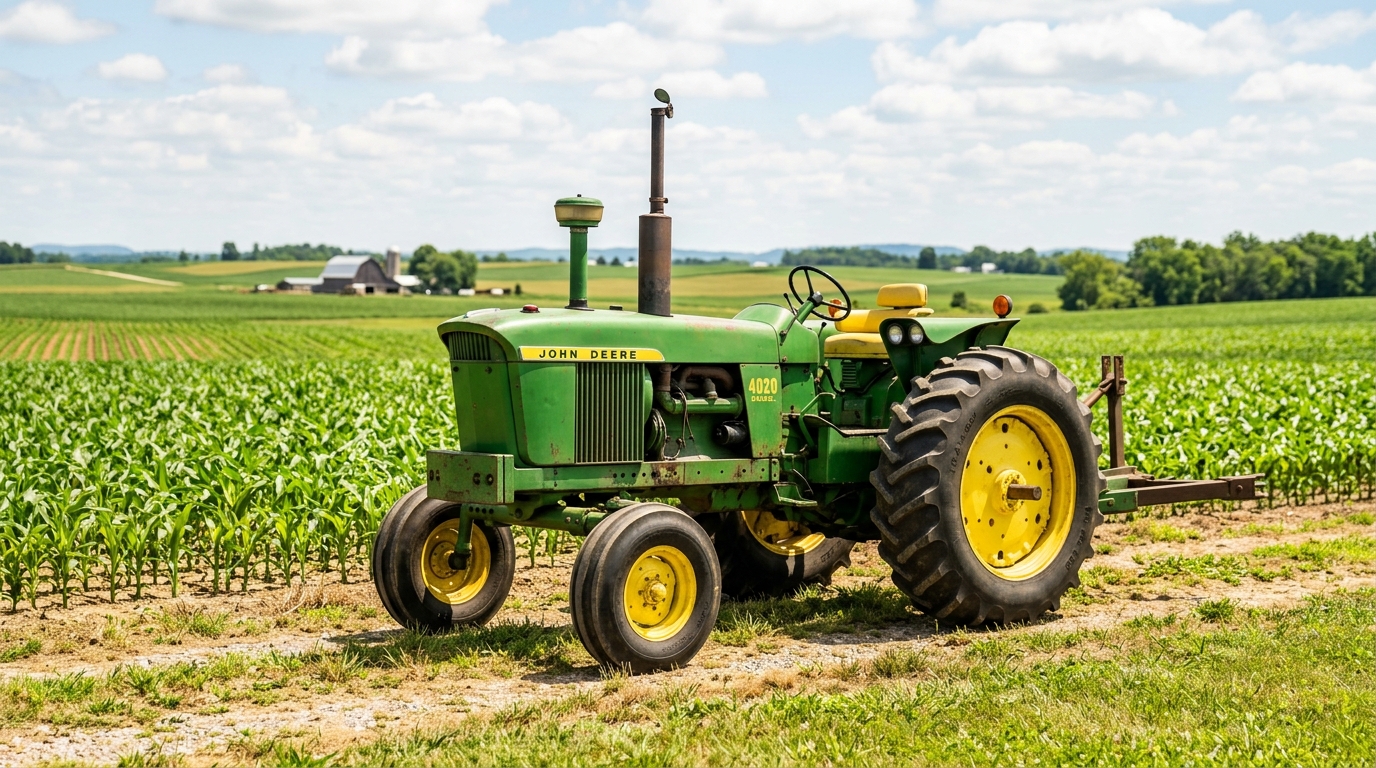
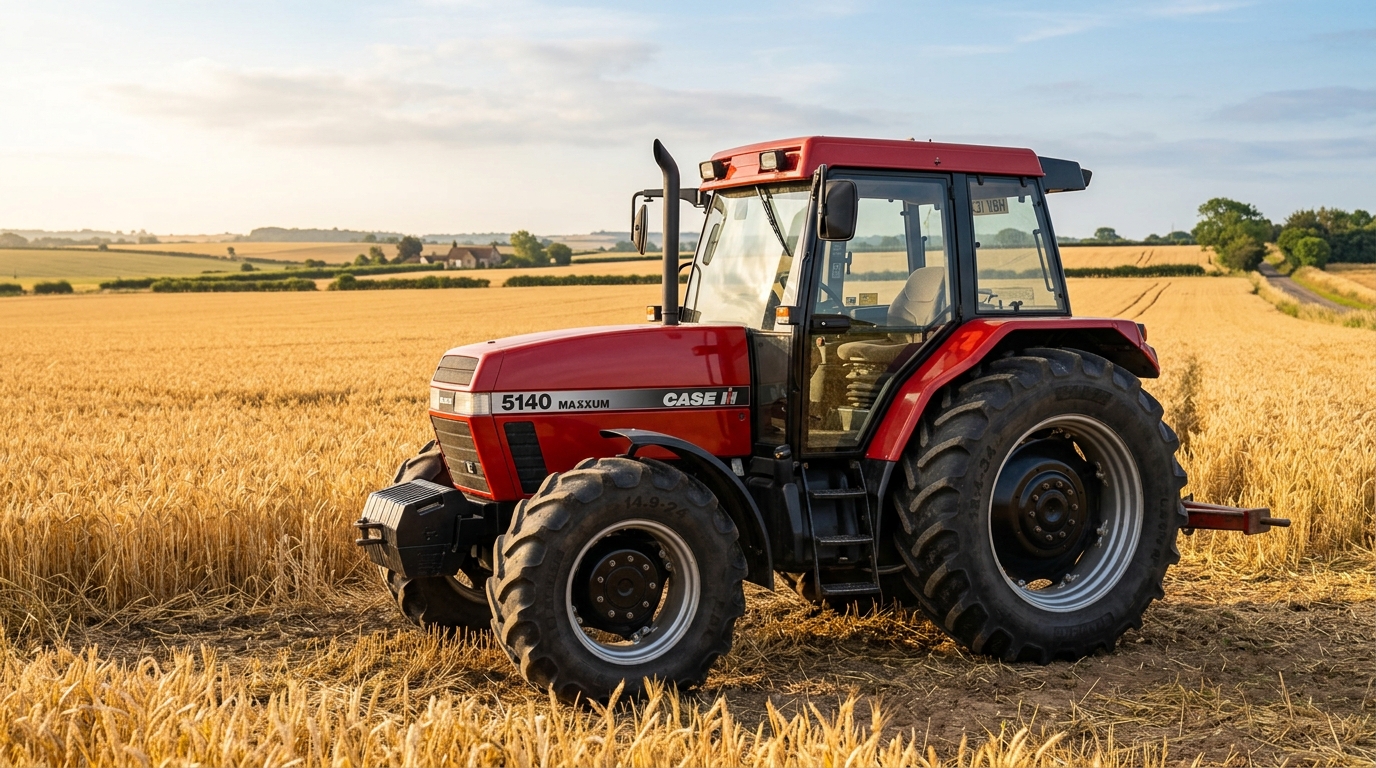
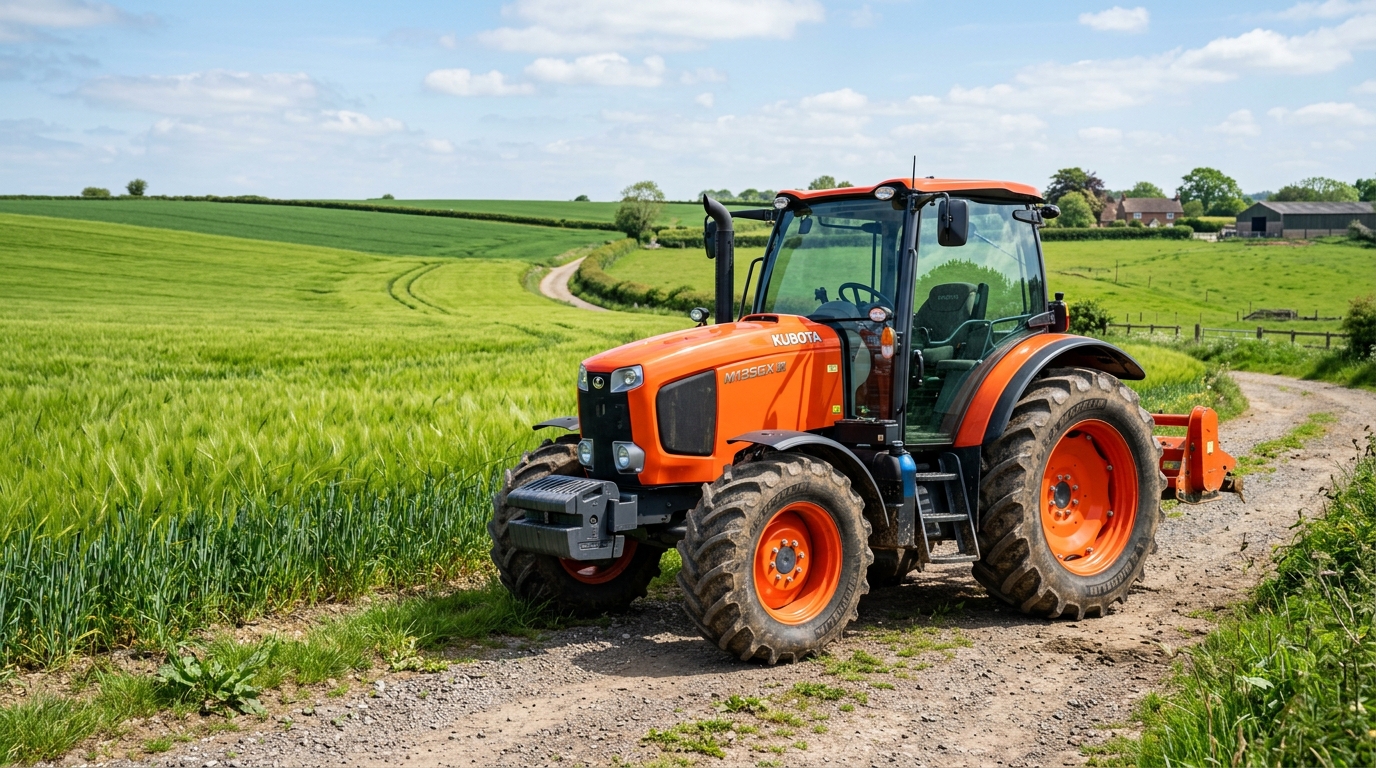
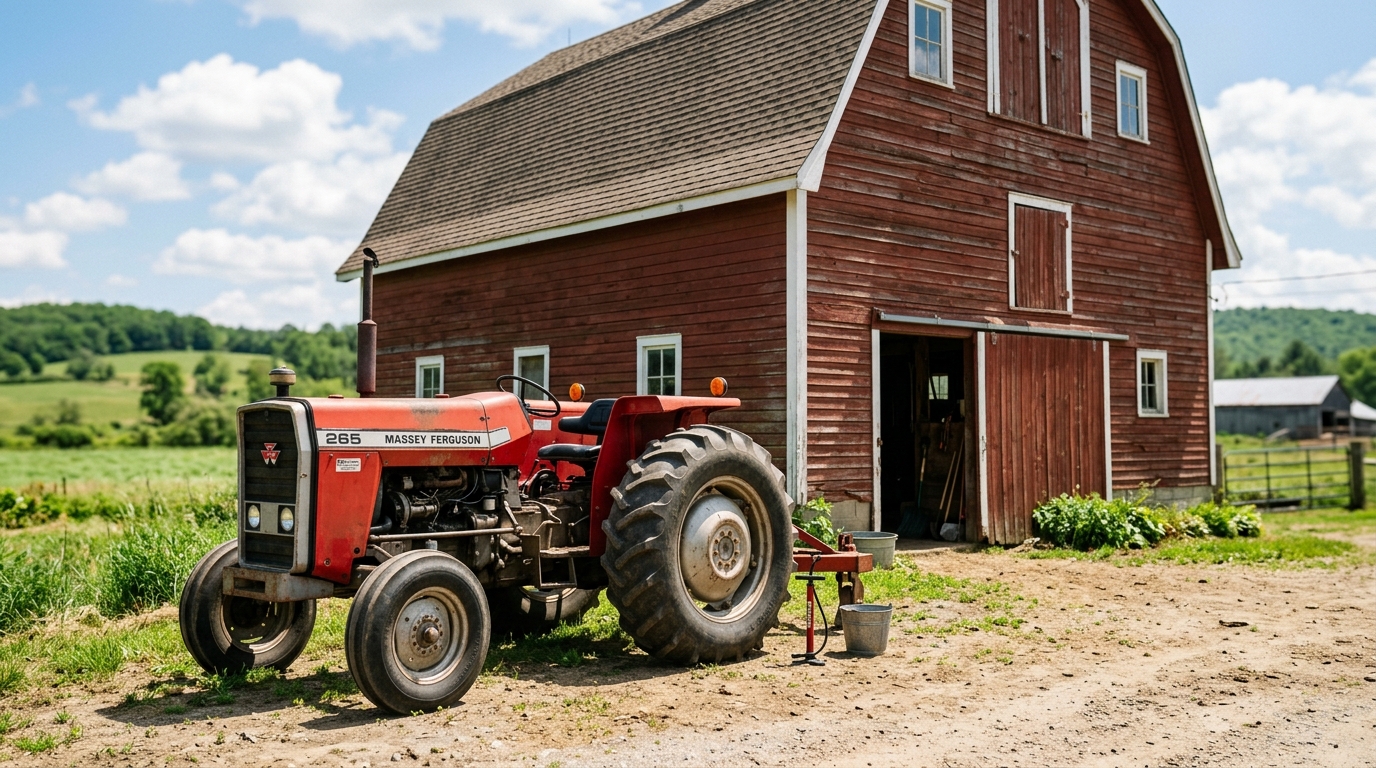
Featured Tractor Models
Inspect technical engineering profiles across benchmark machinery.
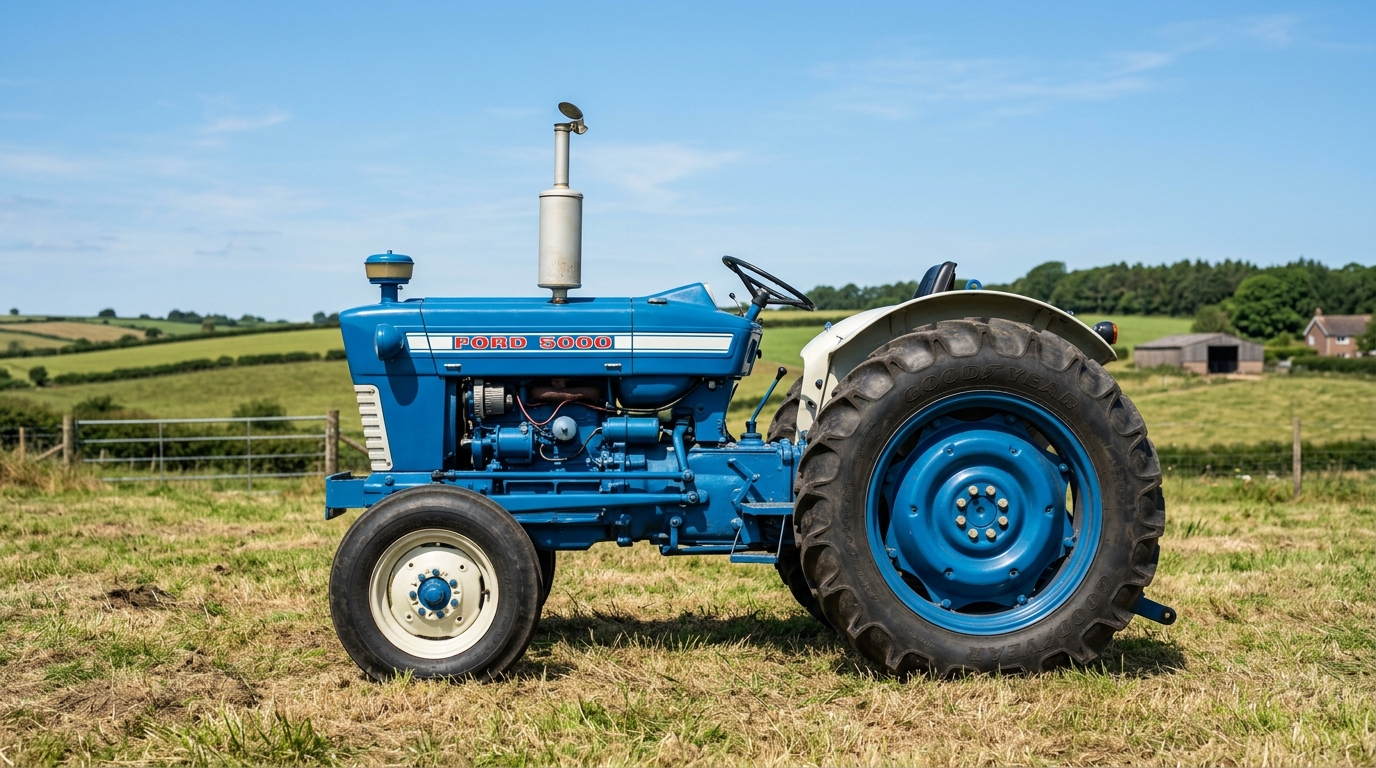
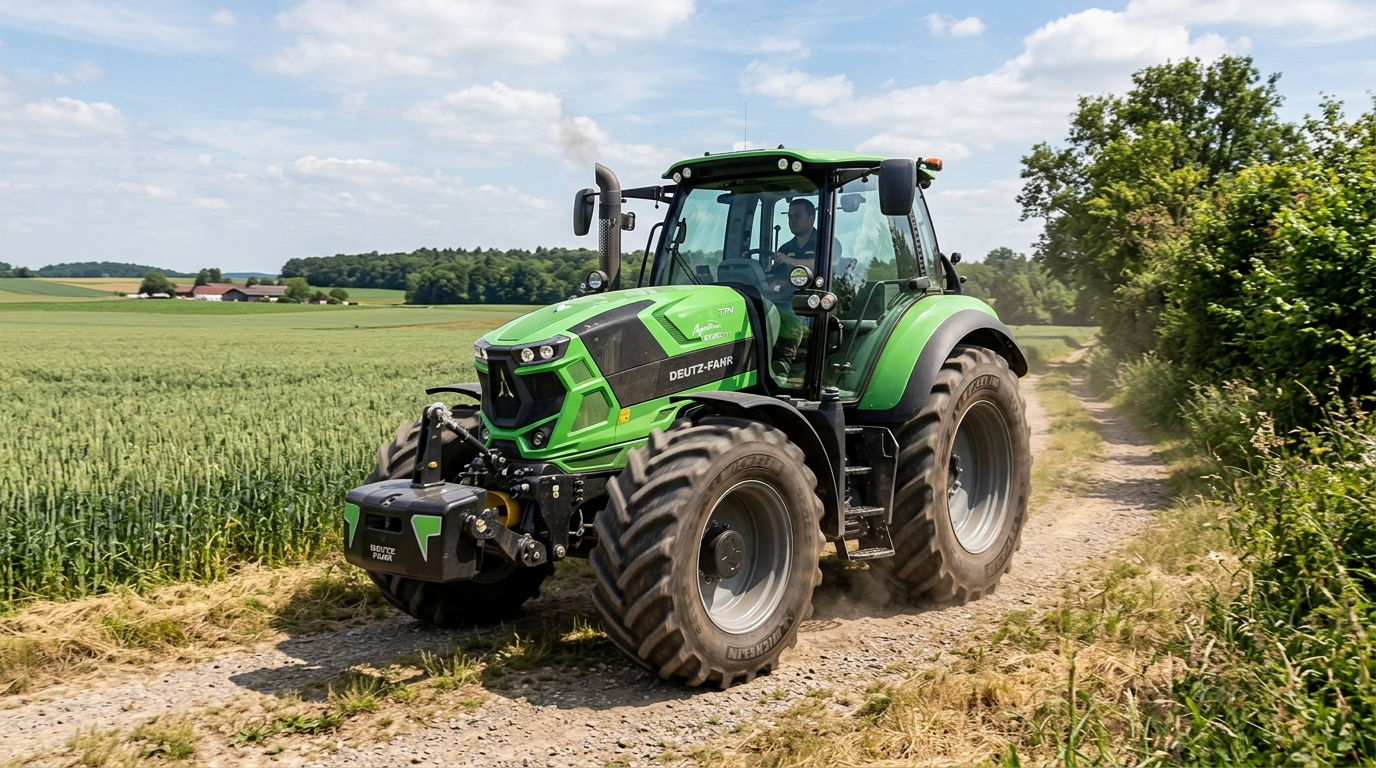
compare_arrows
Open Comparison Tool → Side-by-Side Model Comparison
Compare specifications side-by-side across engine displacement, transmission gears, hydraulic flow rates, and operating mass. Highlight differences and export CSV matrices.
verified
Explore Lab Reports → OECD & Nebraska Test Verification
Every specification sheet is cross-referenced against laboratory testing reports from the Nebraska Tractor Test Laboratory (OECD Code 2) and the DLG Test Center.
article
Read Buyer Guides → Technical Buyer Guides & Articles
Read technical evaluations, transmission histories (Fendt Vario CVT), 45-55 HP utility comparisons, and classic row-crop showdowns powered by Sanity CMS.
quiz
Frequently Asked Questions About Tractor Specifications & Data
1. What is the difference between Engine HP, PTO HP, and Drawbar HP?
Engine Gross/Rated HP is the total power generated directly at the flywheel without accessory losses. PTO HP is the actual usable mechanical power delivered to rotary implements at 540 or 1000 RPM. Drawbar HP measures the pulling power exerted at the hitch when pulling ground-engaging implements across the field.
2. What are official OECD Tractor Test Reports and why are they trusted?
OECD Standard Codes establish international test protocols for agricultural machinery. Stations like Nebraska Tractor Test Laboratory and DLG Test Center conduct standardized dynamometer tests for PTO power, fuel consumption, drawbar pull, and hydraulic capacity without manufacturer marketing bias.
3. What is the difference between 2WD, 4WD, and MFWD (Mechanical Front Wheel Drive)?
2WD tractors power only the rear axle for light chore work. MFWD tractors feature mechanically driven front wheels to boost traction when engaged. True 4WD tractors are large articulated or equal-wheel chassis machines engineered for heavy primary tillage.
4. How do I determine the production year of a tractor from its serial number?
Manufacturers assign serial number sequences to specific production years. Locate the stamped metal serial number plate on the transmission or engine frame and match the sequence against the official yearly serial number charts in our database.
5. What are the 3-point hitch categories and how do I match implements?
Hitch categories are standardized by pin diameter and horsepower: Category 1 (20-45 HP), Category 2 (40-100 HP), Category 3 (80-225 HP), and Category 4 (180-400+ HP). Always verify hitch dimensions and hydraulic lift capacity.
6. What is the difference between Hydrostatic (HST), PowerShift, and CVT / Vario transmissions?
Hydrostatic (HST) uses hydraulic fluid pedals for infinite speed control in loader work. PowerShift shifts gears under full load without clutching. CVT / Vario provides seamless stepless acceleration from 0 to 50 km/h at optimal engine RPM.
7. How does PTO speed work (540 RPM vs 1000 RPM vs 540E Economy)?
Standard 540 RPM PTO runs at rated engine speed for light/medium implements. 1000 RPM PTO handles high-power rotary implements. 540E Economy PTO delivers 540 shaft RPM at reduced engine RPM to save up to 25% on fuel.
8. How much does a tractor weigh and why does ballast weight matter?
Tractor mass ranges from 1,500 kg to over 20,000 kg. Proper ballasting ensures an optimal power-to-weight ratio (100-120 lbs per PTO HP) and maintains tire slip in the efficient 8%-12% window.
9. What hydraulic flow rate (GPM / L/min) and pressure are needed for implements?
Basic 3-point hitches require 8-12 GPM, while front loaders and hydraulic motors require CCLS pumps delivering 25 to 60+ GPM at 2,500-3,000 PSI.
10. What are Tier 4 Final and EU Stage V diesel emissions standards?
Tier 4 Final (US) and EU Stage V (Europe) mandate severe reductions in particulate matter and NOx using DOC, DPF, and SCR systems with DEF/AdBlue fluid.
11. How do fuel consumption and specific fuel economy vary under different engine loads?
Modern diesel engines achieve maximum fuel efficiency (up to 16-18 HP-hr/gal) near rated torque under 75%-100% load, whereas light loads increase relative fuel penalties.
12. What should I check when evaluating a used tractor before purchase?
Inspect engine blow-by, clutch/PowerShift engagement under load, front axle pivot wear, hydraulic pressure under lift, 3-point hitch leaks, PTO brake, and hour meter validity.
13. How long do agricultural tractor diesel engines typically last?
With regular 250-500 hour fluid and filter maintenance, commercial diesel tractor engines achieve 8,000 to 12,000 operational hours before needing major in-frame overhauls.
14. Where can I find replacement parts and technical manuals for discontinued models?
Each tractor profile on All About Tractors links to OEM parts cross-references, filter numbers, and workshop repair service manuals.